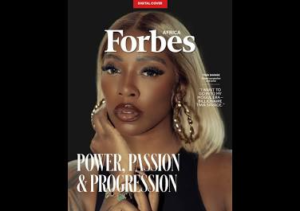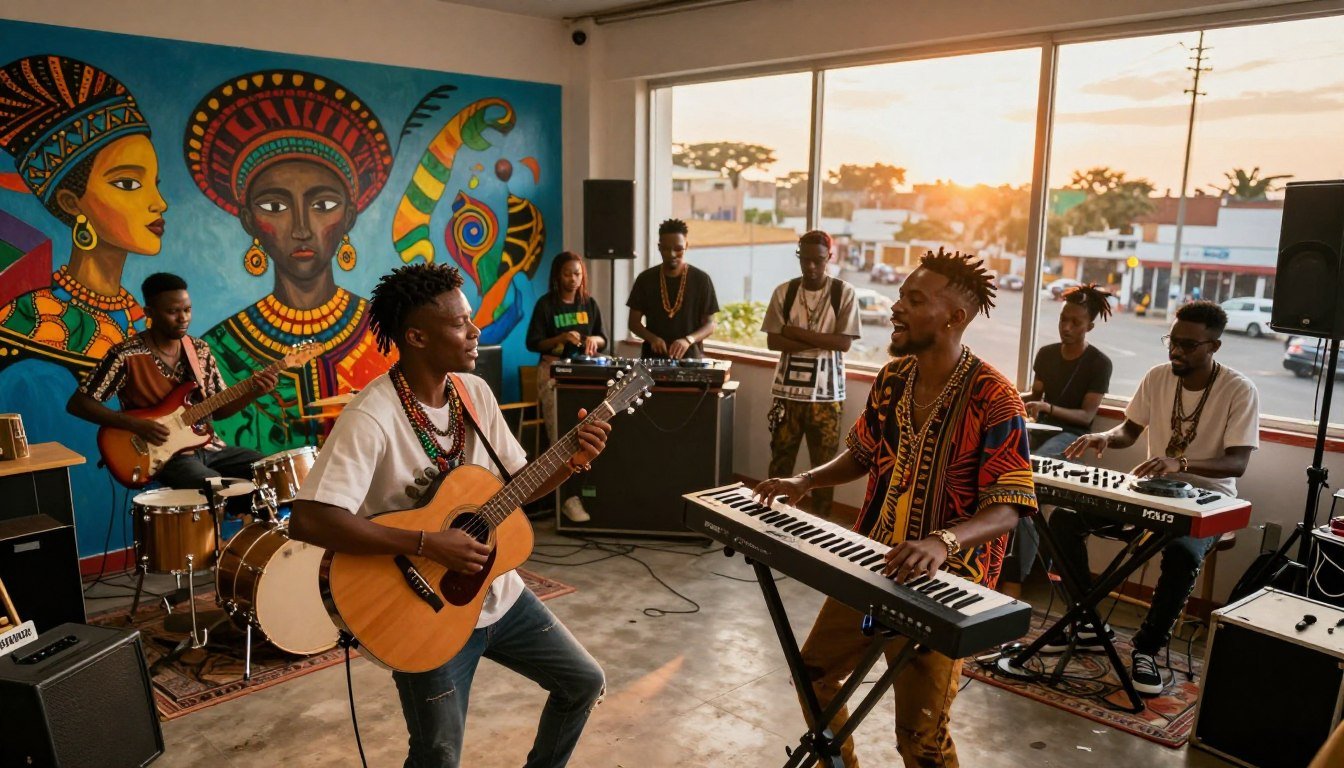
Have you ever felt a rhythm so infectious that it instantly transports you to a sun-drenched Lagos street? Music possesses a unique power to bridge vast oceans, connecting souls through shared melodies and vibrant energy. Today, we are witnessing a remarkable cultural shift as young Nigerian artists changing the future of afrobeats capture hearts across the United States.
These talented creators are masterfully blending traditional percussion with modern production styles. Their sound is not just a trend; it is a global movement that honours heritage while embracing innovation. By weaving together local stories and universal themes, they ensure their influence resonates deeply within our diverse communities.
Key Takeaways
- New musical pioneers are successfully blending traditional rhythms with contemporary production techniques.
- This vibrant soundscape is gaining significant momentum and recognition across the United States.
- Cultural authenticity remains a central pillar for these creators as they reach international audiences.
- The movement highlights a profound shift in how global listeners engage with diverse musical styles.
- These performers are effectively redefining modern pop culture through their unique artistic vision.
The Evolution of the Nigerian Music Scene
Nigeria’s musical landscape has undergone a remarkable metamorphosis over the last fifty years. This transformation reflects the country’s dynamic spirit and its ability to blend tradition with modern innovation. Understanding the nigerian music scene requires looking at how these sounds have travelled from local dance halls to the biggest stages in the world.
From Highlife to the Modern Afrobeats Sound
The foundation of contemporary success lies in the golden era of Highlife music. This genre, defined by its brass sections and complex percussion, provided the rhythmic blueprint for future generations. Early artists experimented with these traditional sounds, slowly incorporating jazz and funk influences to create something entirely new.
These afrobeats pioneers were instrumental in shifting the sonic identity of the nation. By blending local dialects with infectious grooves, they laid the groundwork for the polished, high-energy tracks we hear today. Their willingness to take risks allowed the industry to move beyond regional boundaries and embrace a more global aesthetic.
| Era | Primary Genre | Key Characteristic |
|---|---|---|
| 1960s-70s | Highlife | Brass and Percussion |
| 1980s-90s | Jùjú and Fuji | Traditional Instrumentation |
| 2000s-Present | Modern Afrobeats | Digital Fusion |
The Role of Digital Platforms in Local Discovery
The rise of the internet has fundamentally changed how music is consumed and shared across the continent. Digital platforms have democratised access, allowing independent creators to bypass traditional industry gatekeepers. This shift has been vital for afrobeats pioneers who needed a direct line to their listeners.
Today, a bedroom producer in Lagos can upload a track and find an audience in London or New York within hours. This instant connectivity has accelerated the growth of the nigerian music scene, ensuring that talent is no longer restricted by geography. By leveraging social media and streaming services, artists now control their own narratives and reach fans on a truly global scale.
Young Nigerian Artists Changing the Future of Afrobeats
A vibrant shift is currently reshaping the landscape of the nigerian music industry. This transformation is driven by a generation that refuses to wait for permission to be heard. By embracing digital tools, these creators are crafting sounds that resonate far beyond the borders of Lagos.
Defining the New Wave of Talent
The current cohort of young nigerian artists changing the future of afrobeats is defined by a fearless approach to experimentation. They blend local rhythms with global pop sensibilities to create something entirely fresh. This nigerian talent prioritises authenticity, ensuring their personal stories remain at the core of every track.
Unlike previous eras, these artists are deeply connected to their fan bases through direct digital engagement. They understand that their unique perspective is their greatest asset in a crowded market. This shift has allowed for a more diverse range of voices to emerge, moving away from a singular, standardised sound.
Breaking Away from Traditional Industry Gatekeepers
For many years, the path to success was controlled by rigid corporate structures and traditional labels. Today, that power dynamic has shifted significantly. Many artists now choose to remain independent, using social media to build their own empires without the need for traditional gatekeepers.
This autonomy allows for greater creative freedom and control over their intellectual property. By leveraging streaming platforms and direct-to-fan marketing, they have successfully bypassed the old barriers to entry. The following table highlights the key differences between the old and new models of artist development.
| Feature | Traditional Model | Modern Independent Model |
|---|---|---|
| Distribution | Physical/Label-led | Digital/Self-managed |
| Marketing | Radio/TV focus | Social Media/Influencers |
| Creative Control | Label-directed | Artist-led |
| Revenue Share | Label-heavy | Artist-favourable |
The Fusion of Genres and Sonic Innovation
Sonic experimentation has become the heartbeat of the latest generation of Nigerian talent. These artists are no longer content with sticking to established formulas, choosing instead to push the boundaries of what listeners expect from the genre. This afrobeats innovation is essential for maintaining the music’s relevance in a fast-paced international market.
Incorporating Amapiano and Electronic Elements
The recent surge of Amapiano, a sub-genre originating from South Africa, has significantly influenced the Nigerian soundscape. Producers are now weaving deep, percussive basslines and log-drum patterns into their tracks to create a more immersive experience. Electronic textures, such as synthesised pads and glitchy effects, are also being layered to add depth to traditional rhythms.
“The beauty of our current sound lies in its ability to absorb influences from across the continent and the globe, turning them into something entirely our own.”
By integrating these digital elements, young nigerian musicians are crafting a fresh, global aesthetic that resonates with diverse audiences. This technical evolution allows for a wider range of emotional expression within their compositions.
The Rise of Alternative Afrobeats
Beyond the mainstream, a movement known as “Alternative Afrobeats” is gaining momentum. This style prioritises artistic freedom, often blending elements of R&B, soul, and even indie rock into the mix. These creators are not afraid to experiment with non-traditional song structures to challenge the status quo.
The following table highlights how production techniques have evolved to support this new wave of creativity:
| Feature | Traditional Approach | Modern Innovation |
|---|---|---|
| Rhythm | Standard percussion | Amapiano log-drums |
| Sound Design | Organic instrumentation | Electronic synth layers |
| Song Structure | Predictable hooks | Experimental arrangements |
| Global Appeal | Regional focus | Cross-genre fusion |
This shift towards afrobeats innovation ensures that the scene remains vibrant and unpredictable. As young nigerian musicians continue to refine their craft, the world watches with anticipation to see how they will redefine the boundaries of sound next.
Globalisation and the Diaspora Connection
The ongoing afrobeats transformation is largely driven by the deep connection between local creators and their international counterparts. This cultural exchange acts as a vital bridge, allowing Nigerian rhythms to resonate with audiences far beyond the continent. As the diaspora grows, it serves as a powerful catalyst for bringing these unique sounds into the mainstream global market.
How Social Media Accelerates International Reach
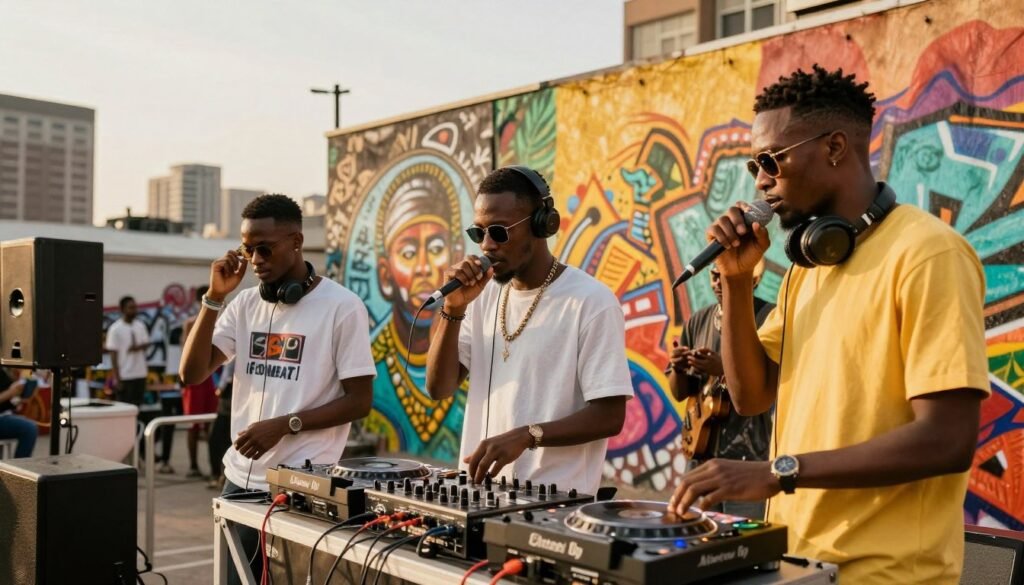
Digital platforms have fundamentally changed how music travels, turning local hits into global anthems almost overnight. Social media allows fans to share, dance, and engage with tracks in real-time, creating a viral feedback loop that traditional radio simply cannot match. This instant accessibility is a cornerstone of the current afrobeats transformation.
- TikTok challenges drive massive engagement for new releases.
- Instagram allows artists to build a direct, personal connection with fans.
- Global streaming algorithms suggest tracks to listeners based on their unique preferences.
Collaborations with Western Artists
Strategic partnerships with international stars have solidified the genre’s presence on major charts across the United States and Europe. These collaborations do more than just boost numbers; they introduce the vibrant energy of Nigerian music to entirely new demographics. By blending styles, artists create a sound that feels both familiar and refreshingly new.
| Artist | Collaborator | Impact |
|---|---|---|
| Wizkid | Drake | Global Chart Dominance |
| Burna Boy | Ed Sheeran | Mainstream Recognition |
| Tems | Future | Award-Winning Success |
These high-profile projects ensure that the afrobeats transformation remains a permanent fixture in the global music landscape. As more artists bridge the gap between Lagos and the rest of the world, the influence of this movement will only continue to expand. The future of music is truly borderless.
The Impact of Independent Record Labels
A quiet revolution is taking place within the nigerian music industry as independent labels gain momentum. These organisations are challenging the status quo by prioritising the vision of the artist over corporate demands. This shift is creating a more vibrant and diverse soundscape for listeners worldwide.
Empowering Artists Through Creative Autonomy
Independent labels offer a unique platform where creative freedom is the primary goal. By removing the rigid constraints often found in traditional contracts, these labels allow musicians to experiment with their sound without fear of commercial rejection. This approach fosters authentic expression that resonates deeply with fans.
Artists now have the ability to control their own release schedules and visual aesthetics. This level of autonomy ensures that their work remains a true reflection of their personal journey. Consequently, many creators are finding that they can build long-term career sustainability by owning their masters and maintaining direct relationships with their audience.
Shifting Power Dynamics in the Music Industry
The traditional dominance of major labels is slowly fading as the nigerian music industry embraces a more decentralised model. Emerging talent no longer feels forced to sign restrictive deals to gain exposure or distribution. Instead, they are leveraging independent networks to reach global markets on their own terms.
This change is fostering a more equitable environment for creators at every stage of their career. By democratising access to resources, independent labels are ensuring that success is based on talent and connection rather than just marketing budgets. It is an exciting time for the future of music, as power shifts back into the hands of those who create it.
Visual Storytelling and Fashion in Afrobeats
Beyond the catchy rhythms, the afrobeats transformation is deeply rooted in a vibrant visual language. Artists today understand that their image is just as vital as their sound when building a lasting legacy. This shift has turned the industry into a multi-sensory experience for fans across the globe.
The Importance of Music Videos and Aesthetics
High-budget music videos have become the standard for showcasing the richness of Nigerian culture. These productions often feature stunning cinematography that highlights local landscapes, intricate choreography, and bold colour palettes. By investing in high-quality visuals, musicians create a distinct brand identity that resonates with international audiences.
These videos serve as a bridge between the artist and the listener. They allow creators to tell stories that go beyond the lyrics, providing a window into the energy of Lagos and beyond. This visual storytelling is a key driver in the ongoing afrobeats transformation, ensuring the genre remains at the forefront of pop culture.
Fashion as a Tool for Cultural Expression
Fashion acts as a powerful medium for artists to display their heritage and creative vision. From modern interpretations of traditional Ankara prints to high-end streetwear, clothing choices are carefully curated to make a statement. This fusion of styles helps artists connect with fans on a deeper, more personal level.
By embracing unique aesthetics, performers turn every stage appearance into a cultural showcase. This commitment to style has cemented the genre’s influence on global fashion trends. The following table highlights how visual presentation has evolved to meet the demands of a modern, digital-first audience.
| Feature | Traditional Approach | Modern Afrobeats Style |
|---|---|---|
| Visual Focus | Simple performance shots | Cinematic storytelling |
| Fashion Style | Casual or formal wear | Avant-garde and cultural fusion |
| Brand Identity | Limited digital presence | Cohesive aesthetic across platforms |
| Global Impact | Regional recognition | International trendsetting |
Ultimately, the combination of striking visuals and bold fashion choices has been essential to the afrobeats transformation. As these artists continue to innovate, their ability to blend sound and sight will keep them at the heart of the global music conversation.
The Role of Streaming Services in Market Expansion
For emerging afrobeats artists, the path to global recognition now runs directly through digital data. The transition from traditional radio to streaming platforms has democratised the music industry, allowing talent from Lagos to reach listeners in London or New York instantly.
This shift means that success is no longer solely dependent on local gatekeepers. Instead, musicians can leverage technology to build a loyal following across international borders.
Data-Driven Success for Emerging Musicians
Modern platforms provide real-time analytics that were previously unavailable to independent creators. By monitoring listener demographics, artists can identify exactly where their music is resonating most effectively.
This data-driven approach allows emerging afrobeats artists to tailor their marketing efforts and tour planning. Understanding which regions show the highest engagement helps in making informed decisions about where to invest promotional budgets.
Navigating Global Playlists and Chart Success
Securing a spot on influential global playlists is often the primary catalyst for international breakthroughs. These curated lists act as digital storefronts, exposing new sounds to millions of potential fans who might otherwise never discover them.
Strategic pitching and consistent releases are essential for catching the attention of platform editors. When a track gains traction through algorithmic discovery, it often leads to a snowball effect, pushing the song up the global charts.
| Metric | Traditional Radio | Streaming Services |
|---|---|---|
| Audience Reach | Geographically Limited | Global Access |
| Feedback Loop | Delayed/Anecdotal | Real-time Analytics |
| Discovery Method | Passive Listening | Algorithmic/Curated |
| Cost of Entry | High (Gatekeepers) | Low (Accessible) |
Ultimately, the ability to interpret these digital metrics is what separates successful emerging afrobeats artists from the rest. By combining creative flair with a deep understanding of streaming dynamics, they continue to redefine the global music landscape.
Challenges Faced by the New Generation
Behind the glitz of international tours, many young Nigerian musicians grapple with harsh realities at home. While the world celebrates the infectious rhythms of the genre, the creators often work in environments that lack basic support systems. Success is rarely a straight line when the foundation is still being built.
Infrastructure and Funding Hurdles
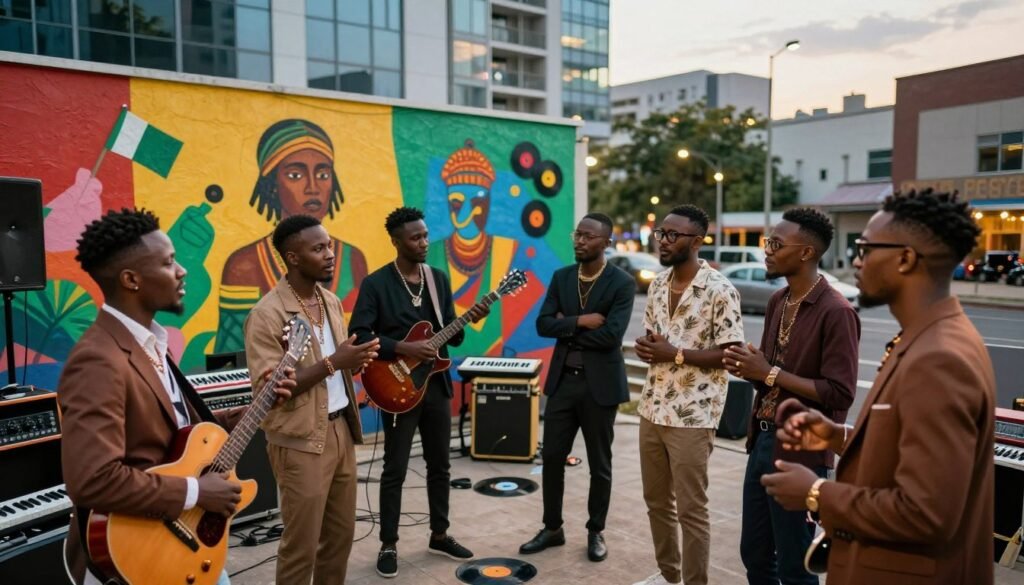
The lack of reliable electricity and high-quality recording studios remains a major barrier for independent artists. Many creators must invest their own savings into equipment, which limits their ability to focus purely on afrobeats innovation. Without consistent funding, even the most talented individuals struggle to get their music heard beyond their local neighbourhood.
“The creative spirit is strong, but it requires a structure that allows it to breathe and grow without the constant fear of financial collapse.”
To better understand these obstacles, we can look at how different types of artists navigate the current landscape. The following table highlights the primary differences in resource access.
| Challenge Type | Independent Artist | Signed Artist |
|---|---|---|
| Studio Access | Limited/Home-based | Professional Facilities |
| Marketing Budget | Self-funded | Label-backed |
| Distribution | Digital Aggregators | Global Distribution Teams |
Balancing Authenticity with Commercial Pressure
Beyond the physical barriers, there is a mental toll taken by the need to stay relevant. The market often demands a specific sound that guarantees radio play, which can stifle afrobeats innovation. Artists frequently find themselves caught between creating music that feels personal and producing tracks that fit the current commercial mould.
Maintaining one’s identity while chasing global trends is a delicate act. Many young Nigerian musicians fear that changing their style to suit international tastes might alienate their core audience. Ultimately, the most successful acts are those who manage to blend their unique cultural roots with the polished production expected by a global audience.
The Cultural Significance of Modern Afrobeats
The rise of contemporary Afrobeats is more than just a musical trend; it is a profound cultural movement. This genre has evolved into a powerful vehicle for storytelling, allowing artists to share the richness of their heritage with a global audience. By blending traditional rhythms with modern production, the nigerian music scene has successfully captured the attention of listeners from every corner of the planet.
Representing Nigerian Identity on the World Stage
Modern artists are building upon the solid foundation laid by earlier afrobeats pioneers. These trailblazers paved the way for a new era where Nigerian identity is celebrated rather than hidden. Today, the music serves as a proud ambassador for the nation, showcasing the vibrancy and resilience of its people.
This global visibility helps to dismantle outdated stereotypes and fosters a deeper appreciation for African culture. When a track climbs the international charts, it is not just a win for the artist; it is a triumph for the entire nation. The world is finally listening to the authentic stories coming out of Lagos and beyond.
Inspiring the Next Generation of Creatives
The success of current stars is sparking a wave of ambition among young people across the country. Seeing their peers achieve international acclaim encourages aspiring musicians, designers, and filmmakers to pursue their own creative dreams. This shift in perspective is vital for the long-term growth of the arts sector.
By fostering a sense of community and shared heritage, the nigerian music scene continues to influence global perceptions. The legacy of the original afrobeats pioneers remains a guiding light for those who wish to make their mark. As these young creatives step into the spotlight, they carry the torch of cultural pride into the future.
Key Figures Leading the Current Movement
The global music landscape is currently being reshaped by a fresh wave of emerging afrobeats artists. These performers are moving beyond traditional boundaries to create sounds that resonate with listeners across every continent. By blending local rhythms with international appeal, this exceptional Nigerian talent is truly setting the pace for the future of pop music.
Spotlight on Rising Stars and Their Unique Styles
Artists like Ayra Starr and Rema have become synonymous with this new era of creativity. They bring a distinct flair to their compositions, often mixing soulful melodies with high-energy percussion. Their ability to maintain authenticity while experimenting with new textures is what makes them stand out in a crowded market.
“Music is the bridge that connects our heritage to the rest of the world, and we are just getting started.”
The following table highlights some of the most influential figures currently dominating the charts:
| Artist | Signature Style | Breakthrough Element |
|---|---|---|
| Rema | Afrorave | Global Viral Hooks |
| Ayra Starr | Soulful Afropop | Lyrical Depth |
| Asake | Street-Hop Fusion | High-Tempo Energy |
Analysing the Impact of Recent Breakthrough Hits
Recent breakthrough hits have served as the primary catalyst for this massive shift in popularity. When a track gains traction on social media, it often transforms these musicians into household names overnight. This rapid rise proves that Nigerian talent is no longer confined to regional airwaves but is a dominant force in global streaming.
These hits have solidified the status of these artists as cultural icons. By consistently delivering high-quality production, they ensure that the momentum of the genre remains strong. The world is watching, and the influence of these creators continues to grow with every new release.
Conclusion
The future of global music beats with a distinctly Nigerian rhythm. Young artists from Lagos to Abuja demonstrate a level of resilience and creativity that reshapes the modern music landscape.
These musicians blend deep-rooted traditions with bold sonic innovation. They successfully position themselves at the very centre of a massive cultural shift. Their work proves that authentic storytelling resonates across every border.
The industry continues to evolve at a rapid pace. This new generation remains a primary driving force for the future of Afrobeats. Their influence reaches far beyond the charts, inspiring listeners and creators in every corner of the world.
Keep your ears open for the next wave of talent emerging from this vibrant scene. Your support helps these artists continue their journey toward global recognition. The story of Nigerian music is only just beginning to unfold.