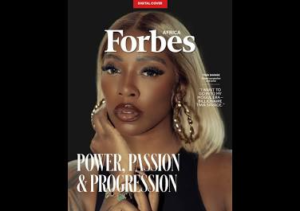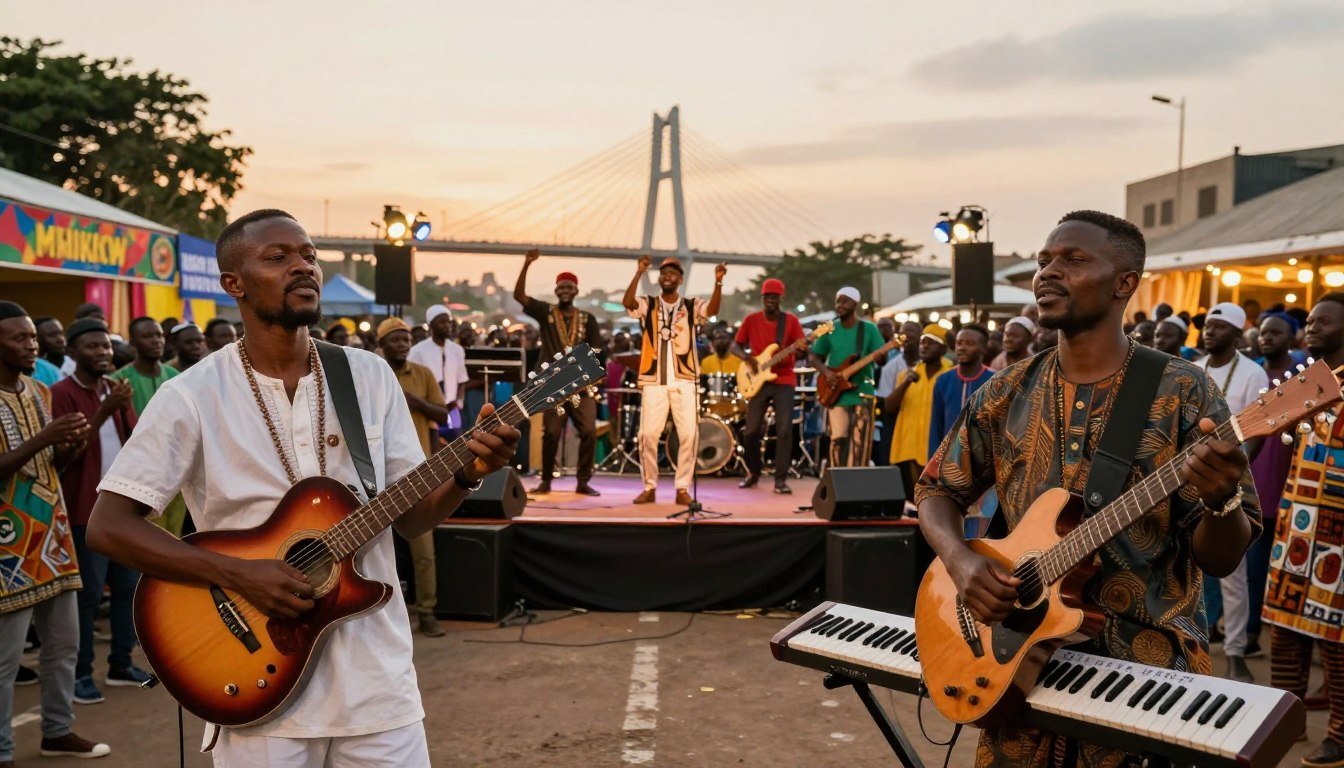
The global music scene has witnessed a massive shift as artists from Lagos take center stage. These performers have navigated a complex industry, turning local dreams into international success. Their paths are defined by immense grit and a deep passion for their craft.
We explore the transformative journeys that define these icons. By analyzing their personal sacrifices and professional milestones, we gain a clear view of what it takes to reach the top. Success is rarely an accident; it is the result of relentless hard work in a competitive market.
Understanding these experiences provides a roadmap for anyone chasing a dream. Let us dive into the lives of those who changed the game forever.
Key Takeaways
- The rise of Afrobeats reflects the resilience of artists in a challenging environment.
- Global recognition requires a blend of raw talent and strategic professional growth.
- Personal sacrifice remains a core component of achieving long-term success.
- Navigating the industry demands both creative vision and business acumen.
- Persistence is the primary driver for moving from local obscurity to global fame.
The Evolution of the Nigerian Music Scene
Few cultural movements have transformed as rapidly as the modern nigerian music scene. What began as a collection of localized sounds has blossomed into a dominant force that shapes the global entertainment landscape today.
This evolution did not happen overnight. It is the result of decades of experimentation, cultural pride, and a relentless drive to share authentic stories with the world.
Tracing the Roots of Afrobeats
The foundation of this movement lies in the rich musical heritage of West Africa. Artists blended traditional percussion with highlife, jazz, and funk to create a sound that was both deeply local and universally appealing.
“Music is the weapon of the future.” — Fela Kuti
This pioneering spirit laid the groundwork for what we now recognize as Afrobeats. Key elements that defined this early era include:
- Complex, polyrhythmic drum patterns.
- Lyrics that often addressed social and political realities.
- A fusion of indigenous languages with rhythmic storytelling.
The Digital Shift and Global Recognition
The landscape changed forever with the arrival of the internet. Digital platforms allowed musicians to bypass traditional gatekeepers, enabling the rise to fame nigerian artists had long sought.
Social media and streaming services acted as a bridge, connecting local talent directly to international fans. Today, superstars like Davido, Burna Boy, Wizkid, and Rema are household names across the globe.
Their success proves that the nigerian music scene is no longer a regional niche. It is a global powerhouse, and the rise to fame nigerian artists are experiencing continues to inspire a new generation of creators worldwide.
From Struggle to Stardom: Inspiring Stories of Nigerian Musicians
Every major star in the Nigerian music industry carries a unique story of transformation. These journeys often begin in humble settings, far removed from the bright lights of international arenas. By analyzing these narratives, we gain a clearer picture of the dedication required to turn musical dreams into a sustainable professional reality.
Defining the Path to Success
The road to fame is rarely a straight line for those navigating the local music ecosystem. Most artists start by performing at small community events or recording in makeshift home studios. This initial phase is crucial for building a loyal fan base and refining a signature sound.
Success stories of Nigerian musicians often highlight the transition from local obscurity to national prominence. This shift requires more than just talent; it demands relentless persistence and a strategic approach to brand building. Artists must learn to navigate the complexities of the industry while staying true to their artistic vision.
Common Themes in Artist Narratives
When we look at the history of the industry, several recurring themes emerge. Many legends share experiences of financial constraints and the struggle to find reliable distribution channels early in their careers. These hurdles serve as a crucible, testing the resolve of every aspiring performer.
The narrative of from struggle to stardom: inspiring stories of nigerian musicians is defined by both triumphs and setbacks. These artists often emphasize the importance of community support systems and the power of collaboration. By examining these shared experiences, we can better understand the grit that fuels the most successful success stories of nigerian musicians today.
Overcoming Socioeconomic Barriers in the Industry
The journey for an emerging musician in Nigeria is often defined by how they navigate complex economic realities. While the global stage celebrates the vibrant sounds of Afrobeats, the nigerian music industry remains a challenging environment for those just starting their careers.
Success requires more than just artistic vision; it demands a strategic approach to managing limited resources. Many artists must find creative ways to sustain their passion while facing significant financial pressure.
Financial Constraints and Early Career Hurdles
Aspiring musicians frequently encounter steep entry costs that can stifle their growth before they even begin. Creating a professional-grade song often requires an investment ranging from N100,000 to N1,000,000, excluding the premium fees charged by top-tier producers.
These financial constraints often force artists to rely heavily on the generosity of family and friends. Without formal institutional funding, the early stages of a career become a test of personal sacrifice and resourcefulness.
| Expense Category | Estimated Cost (NGN) | Importance Level |
|---|---|---|
| Studio Recording | 100,000 – 500,000 | Critical |
| Music Production | 200,000 – 1,000,000 | High |
| Basic Promotion | 50,000 – 300,000 | Moderate |
| Distribution Fees | 20,000 – 100,000 | Essential |
The Importance of Community Support Systems
Beyond money, the nigerian music industry thrives on the strength of local networks. Community support systems provide the emotional and financial stability needed to survive the inevitable ups and downs of the creative path.
Building a reliable network is not just a luxury; it is a survival strategy. Peers, mentors, and local fans often act as the first investors and promoters for an artist, helping them bridge the gap between obscurity and recognition.
“The hustle is real, but you never have to walk the path alone if you build a community that believes in your sound.”
By fostering these connections, artists can share costs, exchange knowledge, and gain the confidence to push through early hurdles. This collective resilience remains a cornerstone of success within the nigerian music industry.
The Role of Persistence and Talent in Breaking Through
Talent is the spark, but persistence is the fuel that keeps the fire of a musical career burning bright. Many success stories nigerian musicians share is rooted in the ability to push forward when doors remain closed. It is this relentless drive that transforms raw potential into a household name.
Developing a Unique Artistic Identity
In a market saturated with incredible sounds, standing out is a necessity. Artists must craft a signature style that listeners can identify within seconds of a track starting. This identity goes beyond just the music; it encompasses fashion, stage presence, and the narrative an artist shares with their fans.
To build this identity, consider these essential steps:
- Experiment with genres: Blend traditional rhythms with modern pop elements.
- Define your visual brand: Use consistent colors and themes in your media.
- Tell your story: Authenticity resonates deeply with the Nigerian audience.
The Power of Consistency in a Competitive Market
Success in the modern music industry is often measured by public metrics like streaming numbers, concert ticket sales, and chart performance. Maintaining a high release frequency is vital to stay relevant in the eyes of fans and algorithms alike. Without a steady stream of content, even the most talented artists risk being forgotten.
The following table highlights how consistency impacts career growth:
| Metric | Low Consistency | High Consistency |
|---|---|---|
| Fan Engagement | Sporadic | Steady Growth |
| Streaming Data | Declining | Upward Trend |
| Market Visibility | Limited | High Recognition |
Ultimately, the combination of talent and determination nigerian musicians display is what defines their longevity. By staying committed to their craft and adapting to the demands of the digital age, artists can turn their dreams into a sustainable career. Consistency is not just about quantity; it is about showing up for your audience every single day.
Iconic Journeys of Nigerian Music Legends
The history of Nigerian music is built upon the shoulders of giants who transformed the industry forever. These nigerian music legends did more than just create catchy melodies; they crafted a cultural blueprint that resonates across the globe today. By examining their lives, we gain a deeper appreciation for the dedication required to turn raw talent into a lasting legacy.
Fela Kuti and the Fight for Cultural Identity
Fela Kuti remains a towering figure who used his music as a powerful tool for social change. He pioneered the Afrobeat genre, blending traditional rhythms with jazz and funk to challenge political corruption. His unwavering commitment to his roots ensured that Nigerian identity was celebrated rather than suppressed.
King Sunny Ade and the Global Stage
King Sunny Ade brought the intricate sounds of Juju music to an international audience. Through his masterful guitar work and rhythmic compositions, he proved that local sounds could captivate listeners worldwide. He opened doors for many nigerian music legends by demonstrating that global success is possible without compromising one’s artistic heritage.
The Resilience of 2Baba
The career of 2Baba serves as a masterclass in professional longevity and personal growth. After transitioning from a successful group dynamic to a solo powerhouse, he maintained his relevance through sheer consistency and talent. His ability to evolve while staying true to his signature sound highlights the resilience needed to thrive in a competitive market.
These artists share several key traits that allowed them to reach the pinnacle of their craft:
- Authenticity: Staying true to their unique cultural roots.
- Innovation: Constantly pushing the boundaries of their respective genres.
- Perseverance: Overcoming significant obstacles to maintain a long-term career.
By studying these nigerian music legends, aspiring artists can learn how to balance commercial appeal with deep artistic integrity. Their stories provide the inspiration needed to navigate the complexities of the modern music landscape.
Modern Trailblazers Redefining Global Sounds
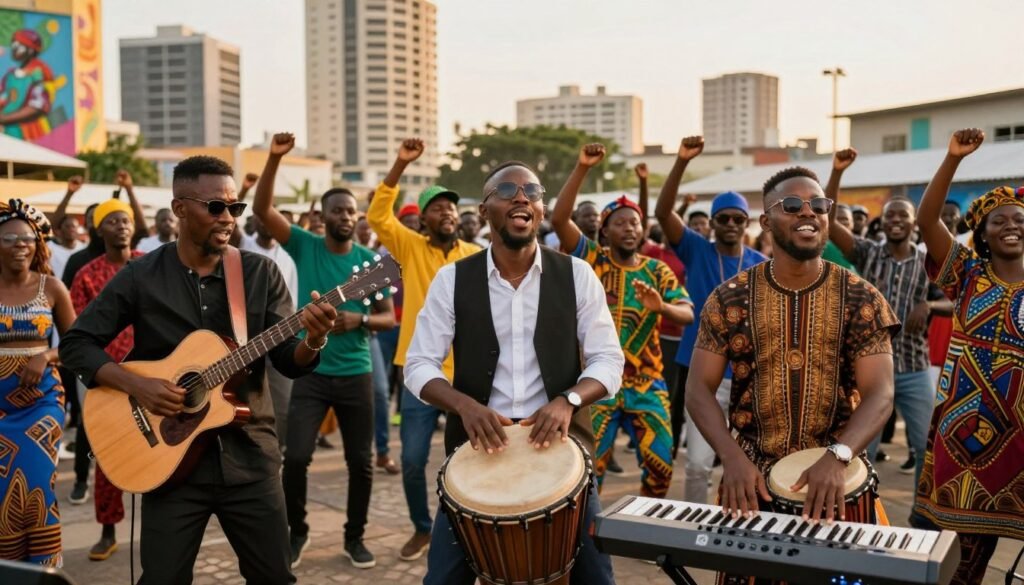
From Lagos to London, the rise to fame nigerian artists have experienced has become a dominant force in the music industry. These performers are not just creating hits; they are shifting the global soundscape by blending traditional rhythms with modern pop sensibilities. This movement has turned local talent into international icons who command massive audiences across every continent.
Burna Boy and the African Giant Movement
Burna Boy has been instrumental in bringing the “African Giant” brand to the forefront of global consciousness. His unique fusion of dancehall, reggae, and Afrobeat creates a sound that resonates deeply with diverse audiences. By staying true to his roots while embracing global production standards, he has proven that authenticity is the key to long-term success.
Wizkid and the International Crossover
Wizkid remains a pioneer in the international crossover space, bridging the gap between Nigerian music and Western pop charts. His ability to collaborate with global superstars has opened doors for many others to follow. The rise to fame nigerian artists enjoy today is largely built on the path he paved through consistent, high-quality releases and strategic partnerships.
Tiwa Savage and Breaking Gender Barriers
Tiwa Savage has shattered glass ceilings in a male-dominated industry, proving that talent knows no gender. She has become a beacon of inspiration for aspiring female musicians across Africa. Her journey highlights the importance of resilience and artistic vision in navigating a competitive market that often overlooks women.
The momentum continues to grow as newer acts like Asake sell out iconic venues such as the O2 Arena in mere minutes. This level of demand shows that the appetite for Nigerian music is stronger than ever. The following table highlights the unique contributions of these trailblazers to the global stage.
| Artist | Key Contribution | Global Impact |
|---|---|---|
| Burna Boy | African Giant Movement | Grammy Recognition |
| Wizkid | International Crossover | Chart-topping Collaborations |
| Tiwa Savage | Gender Barrier Breaking | Female Empowerment |
| Asake | Rapid Arena Sell-outs | New Wave Dominance |
Navigating Challenges in the Nigerian Music Industry
Behind the glitz and glamour of the stage, artists face a complex web of professional hurdles. While the global spotlight shines brightly on local talent, the nigerian music industry remains a demanding environment that requires more than just raw creativity to survive.
Intellectual Property and Distribution Issues
Protecting creative work is a significant concern for many performers today. Piracy and the unauthorized use of digital content often undermine the financial stability of emerging musicians.
Effective distribution is another hurdle that artists must clear to reach a wider audience. Navigating the legal landscape of copyright law is essential to ensure that creators receive proper compensation for their hard work. Many of the challenges in music industry nigeria stem from outdated systems that struggle to keep pace with the rapid growth of digital streaming platforms.
Balancing Artistic Integrity with Commercial Demands
The pressure to produce hits can sometimes clash with an artist’s original vision. Label heads and investors often push for sounds that are guaranteed to perform well on the charts, which can lead to creative burnout.
Maintaining a unique identity while meeting market expectations is a delicate balancing act. Artists frequently report that the constant public evaluation takes a heavy toll on their mental health. Staying true to one’s craft while satisfying the financial requirements of a professional career is perhaps the greatest test for any modern musician.
Ultimately, success in the nigerian music industry requires a strategic approach to both business and art. By acknowledging these challenges in music industry nigeria, artists can better prepare themselves for the realities of a long-term career.
Advice for Aspiring Musicians in Nigeria
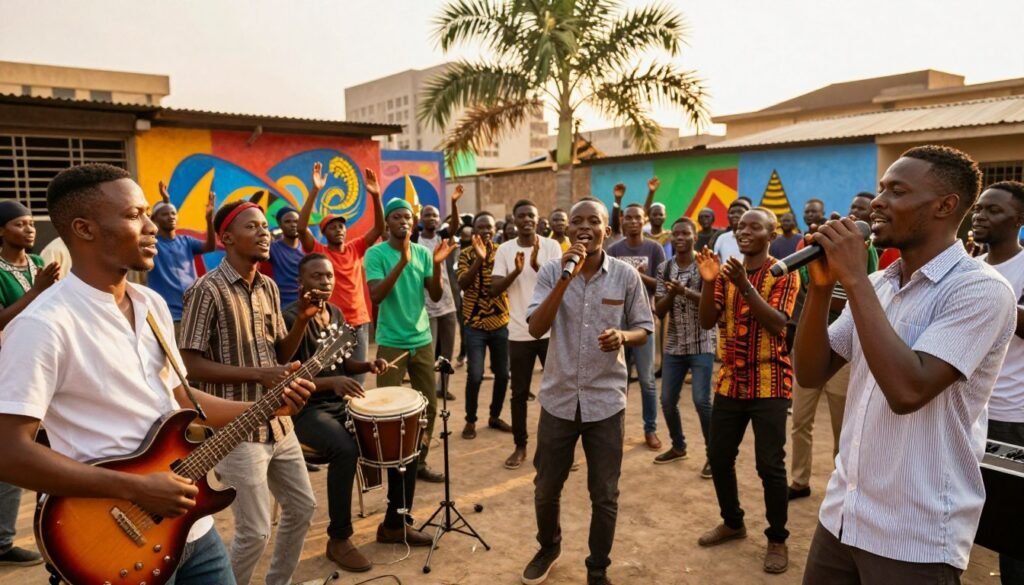
For aspiring musicians in Nigeria, the journey from a bedroom studio to the global stage is paved with intentional choices. Success in this competitive landscape requires more than just raw talent; it demands a clear vision and a commitment to professional growth. By treating your music as a business from day one, you set the foundation for long-term sustainability.
Building a Brand from Scratch
Your brand is the identity you project to the world. It encompasses your sound, your visual style, and the stories you share through your lyrics. Consistency is the key to ensuring that your audience recognizes your work across different platforms.
Start by defining what makes your music unique. Whether it is a fusion of traditional rhythms or a modern pop aesthetic, lean into your strengths. A strong brand helps aspiring musicians in Nigeria stand out in a crowded market where thousands of songs are released daily.
Leveraging Social Media for Independent Growth
Social media has leveled the playing field, allowing artists to bypass traditional gatekeepers. You no longer need a major label to reach a global audience. Platforms like Instagram, TikTok, and X provide direct access to your fans, enabling you to build a loyal community organically.
Focus on creating authentic content that gives followers a glimpse into your creative process. Engaging with your audience through live sessions or behind-the-scenes clips fosters a deeper connection. This independent approach allows you to retain creative control while growing your influence at your own pace.
Networking and Collaboration Strategies
The music industry thrives on relationships. Strategic collaborations can introduce your sound to new fanbases and help you learn from more experienced peers. Look for producers, songwriters, and fellow artists who share your vision and work ethic.
Beyond professional connections, remember that a strong support network of friends, family, or a dedicated team is vital. This group acts as a buffer, shielding you from the inevitable negativity and misinformation that can arise in the industry. Surround yourself with people who believe in your dream, as this support system will keep you grounded when challenges arise.
Conclusion
The path from humble beginnings to global stardom proves the deep resilience found within the Nigerian music community. Artists transform personal struggles into creative fuel that resonates with listeners across every continent.
These stories offer a roadmap for the next generation of talent. By focusing on authentic storytelling and consistent hard work, new musicians can carve out their own space in a crowded market.
Success requires a blend of artistic vision and smart brand building. When creators prioritize their craft while supporting their peers, the entire industry grows stronger.
The global stage now welcomes the unique rhythms of Nigeria with open arms. This momentum creates endless possibilities for those ready to share their voice with the world.
Keep pushing boundaries and refining your sound. Your journey might just inspire the next wave of legends to pick up a microphone and change the world.