Understanding Afrobeats: An Overview
Afrobeats is an energetic genre of music that emerged from West Africa, primarily Nigeria and Ghana, making significant waves in the global music scene. It is not merely a single genre but rather a fusion of various musical styles, incorporating elements of traditional African rhythms, highlife, hip-hop, dancehall, and R&B. This eclectic blend creates a vibrant sound characterized by infectious beats, catchy melodies, and often, danceable grooves.
Tracing its roots back to the late 20th century, Afrobeats began to crystallize in the 2000s. While it draws heavily from traditional Afropop, which is often characterized by its softer sounds and focus on storytelling, Afrobeats differentiates itself with its more upbeat tempo and emphasis on rhythm. Traditional Afropop artists may incorporate live instruments and more complex arrangements, while Afrobeats often leans towards electronic production techniques, making it resonate well with modern audiences.
The genre has continued to evolve, incorporating diverse influences that reflect its dynamic nature. Artists like Burna Boy, Wizkid, and Davido have played pivotal roles in popularizing Afrobeats beyond African borders, contributing to its classification as a global phenomenon. Furthermore, the genre’s versatility allows for adaptations of various cultural influences, thus appealing to a wide range of listeners.
Distinct from other African music genres like juju or fuji, which often highlight specific cultural elements or regional sounds, Afrobeats thrives on transformation and global resonance. This genre champions collaboration across borders and styles, reflecting the interconnectedness of today’s music landscape. As a result, Afrobeats is not just a musical style; it embodies a cultural movement that celebrates the richness of African heritage while embracing modernity.
Globalization and Technology: Driving Forces Behind Afrobeats’ Growth
The remarkable rise of Afrobeats as one of the fastest-growing music genres globally can largely be attributed to the interplay of globalization and technological advancements. Over the past two decades, the world has witnessed unprecedented connectivity due to globalization, which has enabled diverse cultural exchanges and transformations. This interconnectedness has facilitated not only the birth of new musical styles but also the rapid dissemination of existing genres, with Afrobeats taking center stage.
At the forefront of this evolution is the role of technology, particularly social media and streaming platforms. Social media networks such as Instagram, Twitter, and TikTok have emerged as critical tools for artists and fans alike, allowing for instant communication and promotion. As Afrobeats artists share their works on these platforms, their reach transcends geographical boundaries, allowing them to cultivate international fanbases. Viral challenges, dance trends, and music snippets on these platforms have further popularized Afrobeats, making it accessible to millions across the globe.
Streaming services like Spotify, Apple Music, and YouTube have also played a pivotal role in exporting Afrobeats music beyond African borders. These platforms enable listeners from various parts of the world to discover and appreciate the genre with ease. Playlists dedicated to Afrobeats regularly feature not only established artists but also emerging talents, and this exposure helps to propel new artists into the limelight. Additionally, algorithms that curate music based on user preferences have allowed for the organic growth of Afrobeats, fostering a diverse audience that may not have been familiar with the genre prior to the streaming revolution.
In conclusion, the synergy between globalization and technological advancements has undoubtedly paved the way for Afrobeats to flourish on the global stage. As the genre continues to evolve, it is likely that these driving forces will remain integral to its future growth and popularity.
Cultural Influence: The Appeal of Afrobeats Across Borders
Afrobeats, characterized by its catchy melodies and rhythmic percussive elements, has carved a distinct niche in the global music landscape. Its appeal transcends geographical boundaries, resonating with a diverse audience and fostering widespread emotional connections. One of the reasons for this universal appeal lies in the relatable themes that permeate Afrobeats songs. Topics such as love, joy, heartache, and celebration are woven into its lyrics, offering a shared experience that listeners from various backgrounds can connect with.
The genre’s infectious rhythms and danceable beats further enhance its ability to captivate audiences worldwide. Unlike many music styles that may resonate differently within regional contexts, Afrobeats artists often blend traditional African sounds with contemporary elements, creating a fusion that feels both authentic and innovative. This blend allows listeners, regardless of their cultural background, to engage with the music on a holistic level. The pulsating energy of Afrobeats invites audiences to move and express themselves, making it a popular choice for celebrations and social gatherings across the globe.
Moreover, the rise of social media platforms has played a significant role in amplifying Afrobeats’ reach. Platforms like TikTok and Instagram enable users to share their experiences and interpretations of songs, leading to viral dance challenges and expanding the genre’s influence even further. As these platforms foster community engagement, they serve as a melting pot where listeners can appreciate the genre while participating in a cultural exchange. The impact of Afrobeats is that it not only entertains but also fosters a sense of belonging among fans, promoting unity through shared musical enjoyment.
Afrobeats Artists: Pioneers and Influencers
Afrobeats has emerged as a global phenomenon over the past decade, spurred on by the dynamic contributions of various artists and producers who have redefined the genre. Key figures such as Wizkid, Burna Boy, and Davido have not only popularized Afrobeats in their home countries but have also played instrumental roles in its ascent on the international stage.
Wizkid, often regarded as one of the foremost Afrobeats artists, first gained international recognition with his 2016 collaboration with Drake on the track “One Dance.” This collaboration opened doors for Afrobeats, propelling it into mainstream music markets worldwide. Wizkid’s distinctive sound and ability to blend traditional African rhythms with contemporary music styles have made him a pivotal force in expanding the genre’s reach beyond Africa.
Burna Boy, another significant player in the Afrobeats landscape, has earned critical acclaim and numerous awards for his innovative approach to music. His album “African Giant” received a Grammy nomination, underscoring his contributions to the genre’s global appeal. Burna Boy’s music encapsulates the essence of Afrobeats while infusing it with genres like reggae, pop, and dancehall, further broadening its influence.
Davido has also made remarkable strides in the global popularity of Afrobeats through hit singles and memorable collaborations. His energetic performances and engaging music videos resonate with broad audiences, making him a household name. As a producer, he has been instrumental in cultivating new talent, ensuring the continued evolution of Afrobeats.
Moreover, producers like Sarz and Pheelz have played a vital role in shaping the sound of Afrobeats, crafting beats that have become emblematic of the genre. Their innovative production styles have attracted collaborations with international artists, further enhancing the genre’s global footprint.
The Role of Collaborations in Elevating Afrobeats
Collaborations have become a fundamental aspect of the music industry and have significantly contributed to the rise of Afrobeats as one of the fastest growing genres globally. The fusion of Afrobeats with various international musical styles has opened doors to new audiences and allowed artists to showcase their versatility beyond regional boundaries.
One notable collaboration that exemplifies this trend is the partnership between Nigerian artist Wizkid and Canadian singer Drake on the hit track “One Dance.” This cross-genre collaboration not only elevated Wizkid’s profile but also introduced Afrobeats to a wider, more diverse audience that may not have previously been familiar with the genre. The song topped charts in multiple countries and illustrated how blending genres can produce commercially successful music.
Another significant collaboration is between Burna Boy and American rapper Stormzy on the track “Own It.” This song fuses elements of Afrobeats with the UK rap scene, further enhancing the genre’s appeal across continents. Burna Boy has also collaborated with international stars like Beyonce on the track “ja Ara E,” solidifying his status in the global music scene. Such collaborations are crucial in elevating the credibility of Afrobeats, showcasing its vibrancy and richness through various styles.
Moreover, artists like Tiwa Savage, who worked with British rapper Skepta, have also contributed towards amplifying the reach of Afrobeats. These collaborations not only attract fans of the respective artists but also promote a cultural exchange that enriches the genre, facilitating its growth.
In light of these collaborative efforts, it is evident that partnerships between Afrobeats artists and international musicians play a vital role in expanding the genre’s audience. By such means, Afrobeats not only gains traction but also evolves into a more diverse and influential musical form recognized around the world.
Afrobeats on the Global Stage: Awards and Recognition
In recent years, Afrobeats has emerged as a dominant force in the global music industry, garnering significant recognition through various prestigious awards and nominations. This growth not only signifies the genre’s widespread appeal but also underscores its influence across cultural and geographical boundaries.
One of the key milestones in the recognition of Afrobeats was its inclusion in prominent awards shows, such as the Grammy Awards, where artists like Burna Boy and Wizkid have been nominated and celebrated. These nominations not only acknowledge the artists’ talents but also illuminate the genre itself, drawing the attention of global audiences and music enthusiasts. Such recognition plays a critical role in legitimizing Afrobeats as a significant genre, elevating it to the same status as other well-established genres in the international music landscape.
Moreover, Afrobeats artists have also been gaining traction at various international music festivals and events, often celebrated for their unique sounds and vibrant performances. The streaming platforms have witnessed a surge in Afrobeats playlists, further promoting the genre and its artists worldwide. To complement these achievements, accolades from African award bodies, such as the Africa Music Awards, also add substantial recognition to the crafty artistry inherent in Afrobeats, celebrating the cultural heritage and innovative creativity of African musicians.
This explosion of recognition across different platforms reinforces the growing acceptance of Afrobeats in the mainstream music industry. Musical collaborations between Afrobeats artists and internationally renowned musicians have also enhanced the genre’s visibility and reach. As more artists from various countries explore the sonic qualities of Afrobeats, its foundations continue to solidify on the global stage, encouraging even more diversity and cross-pollination within the music scene.
Festival Culture: Showcasing Afrobeats Worldwide
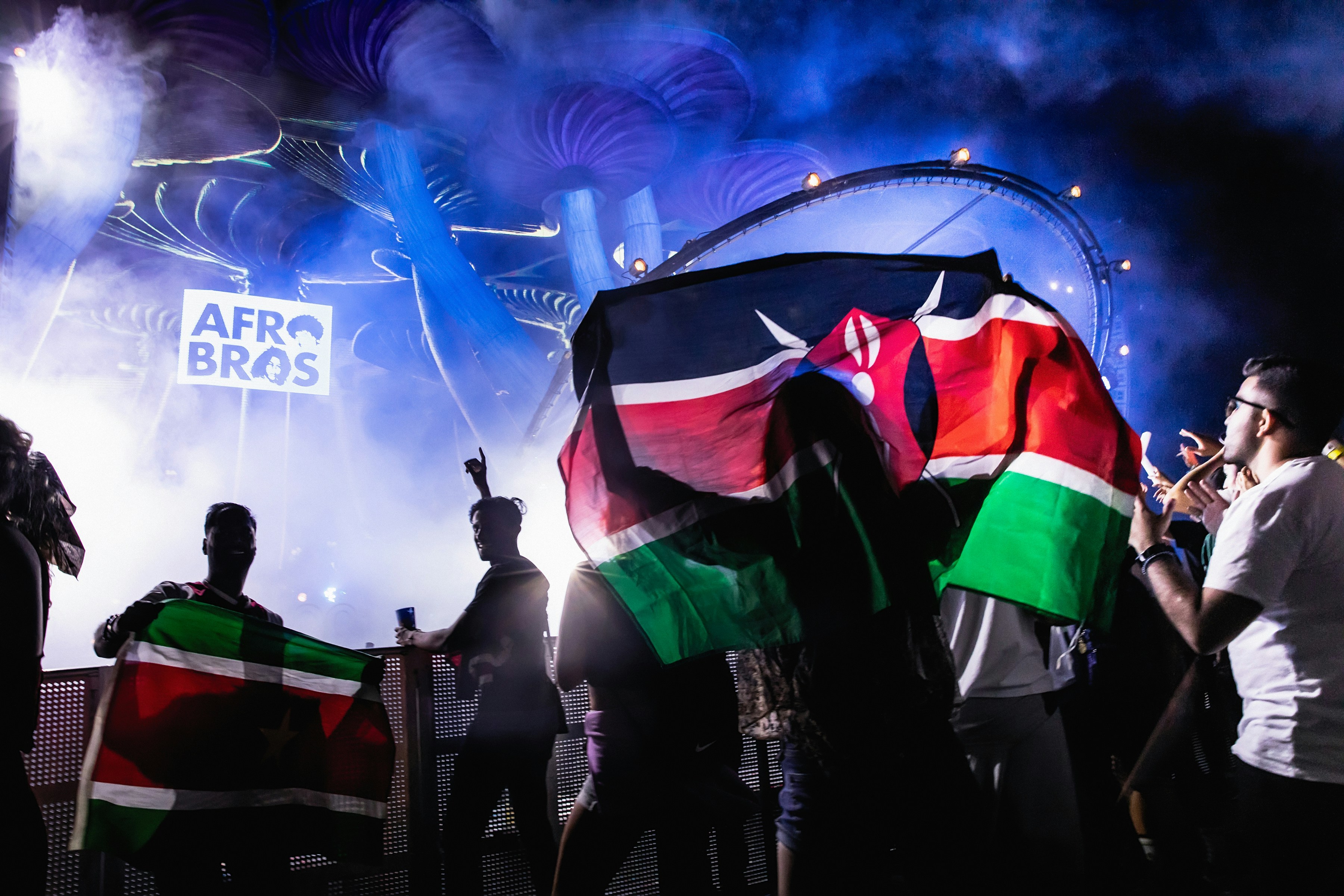
The growing popularity of Afrobeats music has been significantly propelled by the rise of festival culture, which serves as an invaluable platform for artists and fans alike. Global music festivals have increasingly included Afrobeats artists in their line-ups, providing them with the opportunity to perform live on international stages and attract diverse audiences. Festivals such as Afro Nation, One Africa Music Fest, and the Essence Festival have become hotspots for showcasing this vibrant genre and its artists.
These events not only celebrate established talents but also highlight emerging artists, giving them much-needed exposure in a competitive industry. The eclectic line-ups often incorporate a mixture of Afrobeats with reggae, hip hop, and R&B, fostering an environment where the genre can thrive and evolve. By bringing together Afrobeat fans from various regions, festivals create a communal environment that transcends cultural and geographical barriers. This connectivity fuels interest and appreciation for Afrobeats, effectively broadening its audience.
Moreover, festivals play a crucial role in enhancing the visibility of Afrobeats beyond African borders. Artists like Burna Boy, Wizkid, and Davido have garnered considerable acclaim on international platforms, further solidifying the genre’s importance in global music. The cultural exchange at these festivals leads to collaborations that enrich the genre and contribute to its worldwide appeal. With concertgoers increasingly drawn to the infectious rhythms and engaging performances characteristic of Afrobeats, the festival culture is undeniably contributing to the genre’s meteoric rise.
In summary, the festival culture surrounding Afrobeats is not just a celebration of music; it facilitates the introduction of this dynamic genre to a broader audience, allowing both established and emerging talents to shine on stages across the globe. As these festivals continue to prosper, the future of Afrobeats looks exceptionally bright.
Future Trends: What’s Next for Afrobeats?
The accelerating growth of Afrobeats presents numerous opportunities for both emerging and established artists within the genre. Currently, the industry is witnessing a surge in a new wave of talents who are gaining recognition beyond their native regions. Artists such as Tems, Ayra Starr, and Omah Lay exemplify this evolution, drawing on a variety of influences while maintaining the core elements that define Afrobeats. This influx of fresh sounds promises to diversify the genre further, introducing innovative melodies and rhythms that could reshape its landscape.
Moreover, the production techniques employed in Afrobeats are also evolving. As artists increasingly collaborate with international producers, we can expect to hear a fusion of styles that blend Afrobeats with trap, hip-hop, and electronic music. This cross-pollination is not only widening the audience for Afrobeats but also allowing it to infiltrate various global music markets. Notably, mainstream artists from different genres are beginning to feature Afrobeats artists in their songs, indicating a growing respect and recognition of Afrobeats’ commercial viability.
The globalization of music platforms, particularly through digital streaming services, plays a crucial role in this expansion. Platforms like Spotify and Apple Music are allowing Afrobeats to reach audiences in countries previously unfamiliar with the genre. This increased accessibility bodes well for both new and existing Afrobeats artists, who can cultivate fan bases across continents without traditional barriers in place.
In conclusion, as Afrobeats continues to attract a myriad of influences and talents, its trajectory appears promising. The combination of rising stars, innovative sounds, and cross-genre collaborations points toward an exciting future that may further secure Afrobeats as a dominant force within the global music industry.
Conclusion: Afrobeats’ Impact on the Global Music Industry
Afrobeats has cemented itself as a formidable force in the contemporary music landscape, steering notable changes within the global music industry. The genre, which fuses traditional African sounds with elements of hip hop, dancehall, and other music styles, reflects a rich cultural heritage while appealing to a diverse audience worldwide. It has transcended geographical and cultural boundaries, illuminating how interconnected music can foster unity and collaboration across varied artistic expressions.
The meteoric rise of Afrobeats can be attributed to several factors, including its infectious rhythms, relatable themes, and the rise of digital platforms that facilitate easy access to global audiences. Artists such as Burna Boy, Wizkid, and Tiwa Savage have propelled the genre to unprecedented heights, garnering international recognition and accolades. Their talent showcases the depth and complexity of African music while inviting listeners to engage with its narrative richness and emotive depth.
Furthermore, Afrobeats is reshaping the music industry’s dynamics. It has inspired numerous collaborations with established artists from different genres, resulting in a cultural exchange that enriches musical offerings. This genre’s appeal is predominantly evident in festivals and music events where Afrobeats artists are increasingly featured, signaling industry recognition and validation of its significance.
As we look to the future, Afrobeats holds substantial promise for influencing musical trends and shaping other genres. The genre’s vibrant nature, along with its ability to adapt and evolve, positions it as a critical player in the global music scene. By continuing to innovate while celebrating its origins, Afrobeats is poised to leave an indelible mark on the world, securing its place as a cornerstone of modern music.