Introduction to the African Music Renaissance
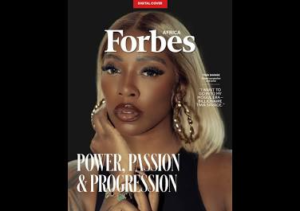
The African music renaissance represents a transformative era characterized by an unprecedented global appreciation and recognition of African music. Over recent years, genres such as Afrobeats, Amapiano, and Bongo Flava have surged in popularity, captivating audiences well beyond the continent’s borders. This phenomenon is not merely a trend; it reflects the rich diversity and cultural depth inherent in Africa’s musical landscape, which encompasses various styles, languages, and rhythms.
At the core of this musical explosion is the genre of Afrobeats, which has gained tremendous traction in international markets. With its infectious rhythms and danceable beats, Afrobeats merges traditional African sounds with modern production techniques, making it appealing to a broad audience. Influential artists like Burna Boy, Wizkid, and Tiwa Savage have emerged as key figures in this movement, using their platforms to introduce global listeners to the traditional influences and contemporary innovations of their music.
Amapiano, originating from South Africa, is another genre contributing to this dynamic renaissance. With its distinctive blend of deep house, jazz, and lounge music, Amapiano has not only taken the South African music scene by storm but has also started to attract listeners across the globe. The genre’s lush soundscapes and vibrant vocal performances create an inviting atmosphere for dance and enjoyment, bridging cultural divides.
Bongo Flava, a genre that fuses hip-hop with traditional Tanzanian influences, adds to the tapestry of African music. Its lyrical storytelling and rhythmic diversity highlight narrations of lifestyle, challenges, and aspirations that resonate across different cultures, further showcasing the richness of Africa’s musical narrative.
This contemporary explosion of African music serves as a powerful testament to the continent’s artistic prowess and creative spirit. As these genres continue to evolve and gain traction worldwide, they not only redefine the global music landscape but also foster a deeper appreciation of Africa’s cultural heritage.
The Rise of Nigerian Afrobeats

Nigerian Afrobeats has emerged as a dynamic and influential music genre over the past two decades, captivating audiences both locally and internationally. This genre, which creatively fuses traditional African rhythms with contemporary sounds, can trace its roots to the eclectic musical landscape of Nigeria. It draws inspiration from highlife, fuji, and dancehall, creating a unique sound that resonates with a diverse range of listeners.
The genre truly began gaining momentum in the early 2000s with notable pioneers such as D’banj and Don Jazzy, who introduced Afrobeats to a broader audience through their infectious tracks. The collaboration of these two artists produced the hit song “Oliver Twist,” which played a significant role in popularizing the genre beyond Nigerian borders. Since then, the genre has seen a plethora of artists emerging, each contributing their distinct styles and rhythms.
Key figures like Wizkid, Burna Boy, and Davido have spearheaded the global acceptance of Afrobeats, actively collaborating with international artists and seamlessly blending their styles. For instance, Wizkid’s collaboration with Drake on the remix of “One Dance” substantially widened the genre’s reach, while Burna Boy’s Grammy-winning album “Twice As Tall” showcased a sophisticated blend of Afrobeats and other influences, receiving critical acclaim.
The signature sounds of Nigerian Afrobeats are predominantly characterized by upbeat tempos, deep basslines, and melodic hooks that encourage movement and dance. The genre’s broad appeal is further amplified by its integration into mainstream pop culture; it can frequently be heard across various platforms, from international playlists to viral dance challenges on social media. As Afrobeats continues to evolve, it reflects Nigeria’s vibrant cultural heritage while simultaneously setting the stage for future generations of artists to innovate and reshape the sound further.
Exploring South African Amapiano
Amapiano, a genre that has emerged from South Africa, is an eclectic fusion of house music elements, deep grooves, and jazzy piano melodies. Originating in the townships of Johannesburg, this genre embodies a rich cultural tapestry and reflects the diverse musical influences found within South Africa. Notable for its characteristic log-drum sounds and distinctive basslines, Amapiano seamlessly blends the energetic rhythms of house music with the soothing sonorities of jazz, creating an engaging listening experience that resonates with many.
The instrumentation in Amapiano is essential to understanding its unique sound. The utilization of log drums and other indigenous instruments results in a feel that is both authentic and deeply rooted in African musical traditions. This execution invites listeners to immerse themselves in its vibrant auditory landscape, making it perfect for both intimate gatherings and large dance parties. Not only does this genre appeal to the youth, but it also has garnered interest beyond South Africa, witnessing widespread acclaim in various parts of the globe.
Several artists have played a pivotal role in the rise of Amapiano. Talented producers and DJs such as Kabza De Small, De Mthuda, and DJ Maphorisa have contributed significantly to the genre’s evolution and mainstream success. Their tracks, such as “Umsholozi” and “Lorch,” have not only dominated local airwaves but also charted internationally. Additionally, collaborations with artists across various genres further enhance Amapiano’s appeal, showcasing its versatility and capacity for innovation.
As Amapiano continues to thrive, it is clear that this genre is more than just a fleeting trend; rather, it is a representation of South African artistry that captivates audiences both locally and internationally. The genre’s infectious nature and evolving sound palette underscore its potential to make a lasting mark on the global music scene.
Understanding East African Bongo Flava
Bongo Flava, a vibrant music genre originating from Tanzania, is an eclectic blend of hip hop, R&B, and traditional African sounds. Over the years, it has evolved significantly, attracting listeners from all around the globe. The term “Bongo Flava” itself embodies the youthful spirit and innovation of the artists who produce it, and it symbolizes the cultural richness of East Africa’s urban landscape.
What sets Bongo Flava apart from other genres is its integral focus on storytelling. Many tracks incorporate narratives that resonate with the everyday experiences of young people, addressing themes such as love, social issues, and personal struggles. This storytelling aspect not only engages the audience but also acts as a reflection of societal changes in East Africa.
Key artists in the Bongo Flava scene have helped to push the genre into the international spotlight. Among these, names like Diamond Platnumz, Ali Kiba, and Vanessa Mdee have gained significant acclaim not only within Tanzania but across the African continent and beyond. Their tracks, often infused with catchy melodies and culturally resonant lyrics, exemplify the genre’s ability to blend contemporary influences with traditional African rhythms and sounds.
Popular tracks such as “African Beauty” by Diamond Platnumz and “Mpenzi” by Ali Kiba highlight the quintessential aspects of Bongo Flava—energetic beats, relatable lyrics, and a persistent emphasis on romance and community. Listening to these tracks reveals the genre’s capacity for both entertainment and social commentary.
As Bongo Flava continues to evolve, its influence on other music genres is undeniable. This blend of traditional and modern elements not only defines the genre but also ensures its growing popularity on a global scale. Artists who participate in this dynamic musical scene are continuously redefining the genre, contributing to its expansion beyond the borders of East Africa.
Cultural Significance of African Music
African music serves as a profound reflection of the continent’s rich tapestry of cultures, social issues, and historical narratives. Various genres—including Afrobeats, Amapiano, and Bongo Flava—carry significant cultural weight, showcasing the diverse heritage of their respective regions. Each musical style encapsulates the stories, beliefs, and communal values of its people, acting as a channel for expressing both joy and struggle.
The lyrics within these genres often address pressing social issues, such as political corruption, economic challenges, and social injustices. Artists draw from their personal experiences and environments, transforming their observations into compelling musical narratives. For instance, many Afrobeats songs tackle themes of love, resilience, and the quest for a better life, resonating with audiences who share similar sentiments.
Moreover, African music functions as an essential medium for preserving and transmitting cultural heritage. Through rhythmic sounds and engaging melodies, artists communicate traditional values and customs, fostering a sense of identity among listeners. Amapiano, with its roots in South Africa, blends various influences and highlights local dialects, thus ensuring the continuity of regional cultures in a globalized world. This genre exemplifies how modern African music adapts to contemporary trends while remaining deeply entrenched in cultural significance.
The influence of African music extends beyond the continent, as it increasingly gains traction on international platforms. As audiences worldwide connect with its infectious rhythms and profound messages, African artists have the opportunity to assert their identity and narratives on a global stage. The cultural relevance of their work not only promotes dialogue about African experiences but also fosters a greater appreciation for diversity in the global music landscape.
The Global Impact of African Music
African music has seen a remarkable ascent in recent years, garnering attention and acclaim on the international stage. This transformation is primarily evident through the dynamic genres of Afrobeats, Amapiano, and Bongo Flava, which have transcended geographical borders and influenced global music trends. Collaborations between African artists and renowned international musicians are becoming increasingly common, thereby amplifying the reach and resonance of African rhythms.
Notable collaborations, such as those between Nigerian artists like Burna Boy and international stars like Ed Sheeran, showcase the blending of styles that appeal to diverse audiences. Such partnerships illustrate the growing acceptance of African music within mainstream spheres, as beats and musical narratives born from the continent find their way into chart-topping hits and award-winning projects. This fusion fosters cultural exchange and elevates African sounds to new heights, impacting audiences all over the world.
The integration of African elements into genres like hip-hop, pop, and electronic dance music highlights the adaptability and appeal of these rhythms. Amapiano, with its infectious melodies and unique production style, demonstrates how African music can reshape conventional sounds, resonating with listeners far beyond its origins. Similarly, Bongo Flava has not only evolved in Tanzania but has also infiltrated global playlists, allowing for a broader appreciation of its cultural significance.
Furthermore, music festivals and platforms dedicated to African music, such as Afrochella and the South African Amapiano Festival, serve as vital arenas for promoting these genres and artists. These events not only celebrate the richness of African musical heritage but also foster global communities that thrive on collaboration and co-creation. Such initiatives are pivotal in the continued globalization of African music.
Challenges Facing African Music Artists
The global music industry presents a unique set of challenges for African music artists, which can significantly impact their careers and the broader growth of African music genres such as Afrobeats, Amapiano, and Bongo Flava. Representation remains a pivotal issue. Although the popularity of African music is on the rise, artists often find themselves grappling with stereotypes and a lack of authentic representation in mainstream media. This not only affects how their music is perceived but also limits opportunities for collaboration with global artists.
Accessibility is another critical challenge. In many parts of Africa, infrastructure and technological barriers hinder artists from reaching wider audiences. Limited access to recording studios, professional training, and distribution channels can restrict creative expression and the quality of music produced. Furthermore, the absence of sufficient financial support systems, such as grants and sponsorships, can lead to a lack of resources necessary for artists to thrive in a competitive global market.
Piracy poses a significant threat to the sustainability of African music as well. The rampant unauthorized sharing of music online diminishes artists’ ability to generate revenue from their work. The fight against piracy requires both legal intervention and increased awareness among fans about the importance of supporting artists through legitimate means. The combination of these challenges creates an environment where the growth of African music cultures is often stifled, despite their inherent richness and popularity.
Understanding and addressing these hurdles is essential for fostering an environment conducive to the flourishing of African music. By amplifying the voices of African artists, advocating for representation, improving accessibility, and combating piracy, the global music scene can evolve to recognize and celebrate the diversity inherent in African music.
The future of African music appears radiant as it continues to expand its influence across the globe. The rise of genres such as Afrobeats, Amapiano, and Bongo Flava has not only attracted listeners from diverse backgrounds but has also paved the way for a plethora of upcoming artists. These musicians are likely to enter the scene, leveraging their unique cultural experiences to contribute to an ever-evolving soundscape. The integration of local sounds with global music trends is expected to create new sub-genres, further enriching the landscape of African music.
Moreover, the impact of technology cannot be understated. Streaming platforms have emerged as powerful tools for artists, enabling them to reach audiences far beyond their home countries. This development allows musicians to cultivate international fan bases without the constraints of traditional distribution channels. The accessibility provided by social media platforms further enhances this connection, as artists can engage with listeners directly, foster relationships, and promote their music more effectively.
In terms of emerging trends, there is a noticeable shift towards collaborative projects that blend African sounds with international artists. This not only showcases the versatility of African music but also increases its appeal to a broader audience. As artists from different backgrounds collaborate, they create unique productions that resonate with fans across cultures, thus fortifying the global reach of African musical styles.
As we look ahead, it is reasonable to anticipate that the success of African music will persist, driven by a community of dedicated artists, innovative producers, and a growing appreciation for cultural diversity in music. The synergy between traditional and modern influences will continue to play a pivotal role in shaping the future trajectory of African music, ensuring that it remains a significant force in the global music industry.
Conclusion: Celebrating African Music
In the past few decades, African music has witnessed a transformative journey, characterized by the rise and global acceptance of genres such as Afrobeats, Amapiano, and Bongo Flava. These vibrant musical styles have played a crucial role in shaping the soundscapes of not only the continent but the world, showcasing the rich variety that African musical traditions have to offer. The significance of these genres extends beyond mere entertainment; they serve as a vehicle for cultural expression, storytelling, and community cohesion.
Afrobeats, with its infectious rhythms and catchy melodies, has made an indelible mark on international charts, introducing a wide audience to the beauty of African sounds. Similarly, Amapiano has emerged as a popular genre originating from South Africa, combining elements of house, jazz, and lounge music, thus highlighting the innovative spirit of contemporary African musicians. Bongo Flava, hailing from Tanzania, has also gained popularity, reflecting the unique blend of hip-hop influences and traditional African beats.
The growing global popularity of these genres underscores the need for continued support and promotion of African music. By recognizing and embracing these musical expressions, we not only celebrate the artistry of African musicians but also acknowledge the deep cultural roots and histories embedded within their work. This celebration necessitates a collective effort—from music enthusiasts, industry stakeholders, and platforms alike—to foster an environment where African music can thrive and reach new heights.
As we navigate the evolving landscape of the music industry, it is imperative to prioritize the promotion of these genres, ensuring that they receive the recognition they deserve. By doing so, we can contribute to the ongoing narrative of African music as a powerful force in the global arena, capable of bridging cultures and creating connections across diverse audiences.