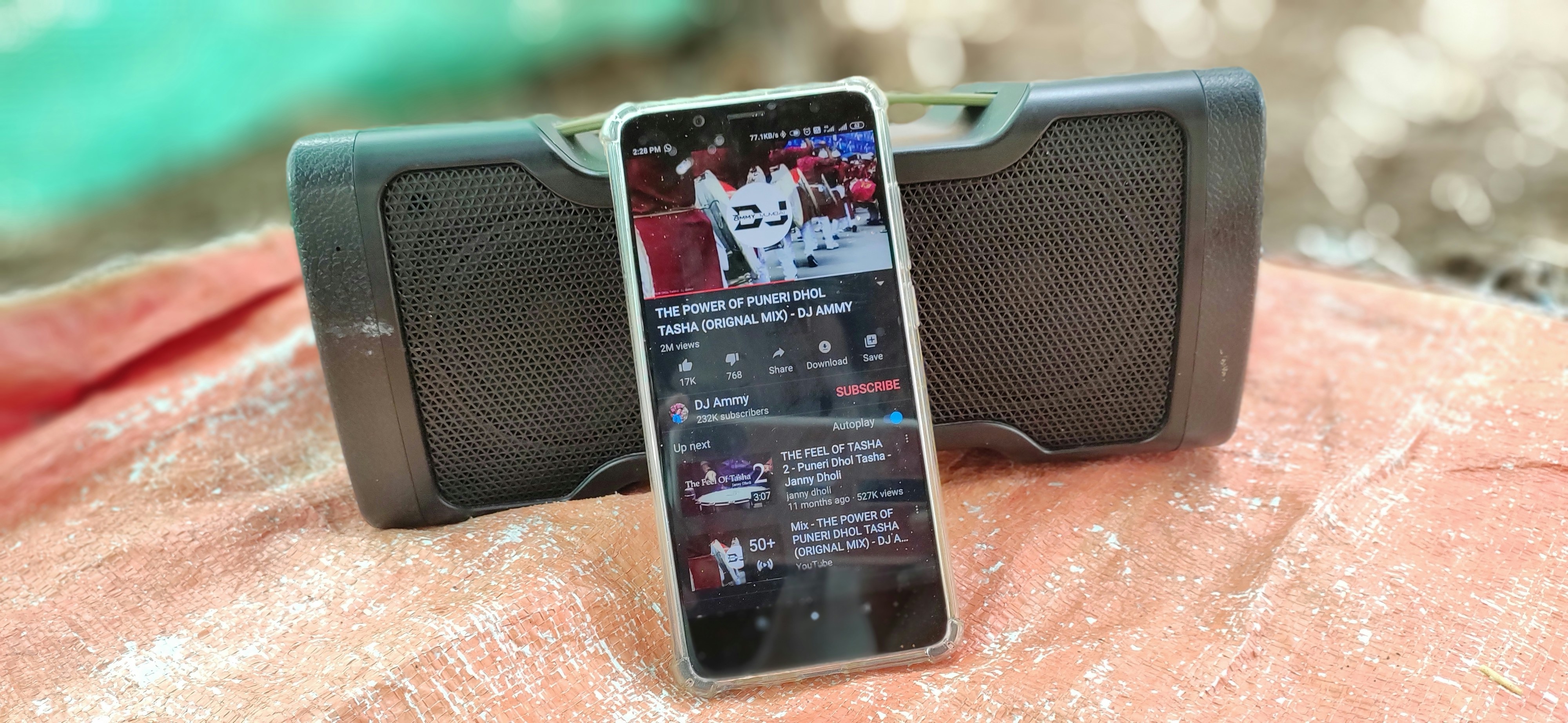
Introduction to YouTube Trends
YouTube has undeniably transformed into a powerful platform for music discovery and trendsetting, offering artists a unique avenue to share their work with a global audience. As the second most visited website in the world, YouTube presents an environment where songs can become viral hits overnight, often bypassing traditional music promotion channels. This rapid scalability of reach allows for a new breed of musical phenomenon—viral hits that captivate listeners and dominate trends, distinguishing themselves from established anthems that typically have a longer maturation period.
The significance of these viral hits lies not only in their ability to reach millions of views within days but also in their capacity to influence popular culture and listener preferences. Unlike traditional hits that often require a substantial promotional budget and time to gain traction, viral songs often emerge organically through social media sharing, challenges, and user-generated content. This democratization of music consumption means that anyone, from seasoned professionals to bedroom artists, can become a crucial player in this fast-paced environment.
However, the rapidly changing trends can have a profound impact on artists and their music. Musicians are now challenged to keep up with the fleeting nature of these trends, as what is trending today may be forgotten tomorrow. This creates both opportunities and risks for artists; they must engage with their audience continuously while also staying true to their artistic identity. Moreover, trends in music consumption have evolved, with listeners increasingly seeking authenticity and relatability in the content they engage with online. In this dynamic landscape, understanding how viral hits circulate and resonate on YouTube has never been more critical for artists and industry professionals alike.
Understanding Viral Hits
Viral hits on YouTube are characterized by their rapid and widespread popularity, often leading to exponential views and engagement within a short timeframe. Several key factors contribute to a song’s virality, including shareability, audience engagement, and the pivotal role of social media platforms. Each of these elements intertwines to create a phenomenon that captivates users and encourages them to interact with the content.
First and foremost, shareability is crucial for a viral hit. A song that resonates with listeners or evokes strong emotions is likely to be shared across various social media platforms. The ease of sharing via platforms like Facebook, Twitter, and TikTok amplifies the reach of these songs beyond their initial audience. For instance, the release of “Despacito” by Luis Fonsi and Daddy Yankee saw a significant boost in shares and engagement, demonstrating how shareable content can dominate YouTube trends.
Furthermore, audience engagement plays a vital role in the virality of a hit. This involves interactions such as likes, comments, and shares. When fans actively participate and express their thoughts, it fosters a community around the music. This engagement not only keeps the song relevant but also encourages new viewers to check it out. An example is “Gangnam Style” by Psy, which went viral due to its catchy beat and memorable choreography, generating countless user-generated content.
Finally, the influence of social media cannot be overstated. Platforms that facilitate content discovery serve to propel songs into the viral echelon. Virality is often amplified by trending challenges and memes, which create additional touchpoints for engagement. Therefore, understanding the mechanisms behind viral hits can inform creators and marketers about best practices for crafting music that resonates widely and maintains longevity in the digital space.
Current Fast-Rising Hits Trends
In the ever-evolving landscape of YouTube, certain tracks have recently captured the attention of audiences, demonstrating their potential to become viral sensations. These fast-rising hits not only reflect the musical preferences of viewers but also indicate evolving trends within digital media consumption. A few standout tracks currently dominating the platform include “Flowers” by Miley Cyrus, “Kill Bill” by SZA, and “Calm Down” by Rema, featuring Selena Gomez.
Miley Cyrus’s “Flowers” has gained significant traction due to its empowering message and catchy melody. Invoking themes of self-love and resilience, this song resonates with listeners, thereby prompting countless users to share it across social media platforms. Its accompanying music video, which exudes vibrant visuals and a narrative of independence, further amplifies its appeal, making it a popular choice for reaction videos on YouTube.
Similarly, SZA’s “Kill Bill” integrates a captivating storyline paired with a contemporary R&B sound that appeals to a wide demographic. The track’s relatability, addressing themes of love and heartbreak, has led to various user-generated content, including cover performances and interpretative dance videos, contributing to its viral success.
The collaboration “Calm Down” showcases the power of cross-genre partnerships, seamlessly blending afrobeats and pop elements. This infectious track not only shifts audience preferences but also highlights the growing significance of diverse musical influences in mainstream media. Its dance challenge on social media platforms has become a viral phenomenon, thereby further establishing its presence on YouTube.
These fast-rising hits exemplify how music trends can quickly evolve and dominate YouTube, fuelled by social media interaction and audience engagement. As artists adapt their sounds to resonate with contemporary listeners, the potential for tracks to go viral continues to escalate.
The Role of YouTube Algorithms
YouTube has become a global platform for music distribution, with its algorithms playing a pivotal role in determining which songs and artists gain widespread visibility. The YouTube algorithm primarily functions through a complex interplay of user engagement metrics, content personalization, and trending dynamics. By analyzing user behavior, the algorithm can predict what content will capture the viewer’s attention, consequently promoting these videos to a larger audience.
Specifically, the algorithm considers factors such as watch time, likes, shares, and comments. When a video engages viewers effectively, the algorithm registers this interaction as a positive signal. This can result in the video being featured in recommended sections, alerts, and playlists, thus amplifying its exposure. Consequently, certain tracks may rise in popularity rapidly, dominating YouTube trends and pushing emerging artists into the spotlight.
Emerging artists can leverage these algorithms strategically to improve their chances of becoming viral sensations. One effective approach is optimizing video titles, descriptions, and tags to include relevant keywords that resonate with target audiences. Crafting visually appealing thumbnails and maintaining a consistent posting schedule can also enhance engagement levels.
Additionally, fostering community engagement through comments and social media can create a loyal follower base that contributes to further video visibility. Collaborating with established creators is another valuable strategy; when a prominent artist features a newcomer, the algorithm tends to favor this content, allowing the new artist to reach a more extensive audience.
Overall, understanding and navigating YouTube’s algorithms allows emerging musicians and song creators to strategically position themselves within the competitive landscape, ensuring that they capitalize on the platform’s robust algorithmic architecture.
Case Studies of Recent Viral Hits
In recent months, several songs have taken the digital world by storm, achieving remarkable popularity on YouTube and beyond. These viral hits showcase diverse styles and genres, captivating audiences and sparking discussions across social media platforms.
One notable example is “Butter” by the South Korean group BTS. Released in May 2021, this upbeat pop anthem quickly ascended to the top of the charts, aided by a well-executed marketing campaign that included teasers, coordinated social media posts, and a catchy choreography challenge that engaged fans online. The song’s vibrant visuals and infectious energy resonated with listeners globally, leading to over 100 million views on its first day alone. BTS’ dedicated fan base, known as ARMY, played a significant role in its viral success, demonstrating the power of passionate community engagement in the digital age.
Another case worth mentioning is “Stay” by The Kid LAROI and Justin Bieber. This collaboration leveraged the star power of both artists, seamlessly blending pop and hip-hop elements. The track went viral in part due to its relatable theme of longing and remorse. The accompanying music video featured a compelling storyline that allowed listeners to connect emotionally. Furthermore, strategic placements on streaming platforms and frequent promotion via TikTok and Instagram propelled its reach. The authentic interaction between the artists and their audiences contributed to its rapid acceptance and popularity across various demographics.
These case studies illustrate the multifaceted nature of viral hits in the contemporary music landscape. From effective marketing approaches to genuine audience engagement, the success of these tracks on YouTube emphasizes the importance of connecting with listeners through innovative methods and relatable content.
Audience Engagement and Community Building
YouTube has evolved beyond a mere platform for video sharing; it has become a vital tool for artists to engage with their audiences effectively. The relationship between artists and fans on YouTube is pivotal for cultivating a loyal fanbase that can propel a song to go viral. Engaging with the audience involves various strategies, such as responding to comments, conducting live streams, and maintaining an active presence on social media.
When artists respond personally to comments or acknowledge fans’ input during live streams, they create an environment that fosters community interaction. This not only enhances the listening experience but also makes fans feel valued and part of a larger movement. For instance, live streaming a Q&A session allows artists to connect on a personal level, answering questions and sharing insights about their creative processes. This transparency can lead to fans feeling more invested in the artist’s journey and, consequently, more inclined to support their music.
Moreover, the integration of social media platforms also plays a critical role in audience engagement. Sharing behind-the-scenes content, snippet previews, and personal stories through Twitter, Instagram, or TikTok can enhance followers’ excitement and anticipation for upcoming releases. This cross-platform engagement encourages fans to share their experiences and thoughts, amplifying the reach of a track and contributing to its viral potential.
Building this loyal fanbase is essential for artists seeking to maintain momentum after a viral hit. Fans who feel connected and engaged are more likely to share the content within their networks, creating a ripple effect that can help sustain the popularity of music. Therefore, artists must prioritize community building as part of their strategy to ensure their viral success translates into sustainable growth and support.
Challenges of Creating a Viral Hit
Creating a viral hit on YouTube is often viewed as a desirable feat for many content creators; however, the process is riddled with challenges. One fundamental challenge is understanding audience preferences. YouTube users are diverse and exhibit varying tastes influenced by factors such as cultural backgrounds, age, and trends. Content creators must continuously engage with their audience to gauge their interests, which can evolve rapidly. Failing to keep pace with these shifts means risking the relevancy of their work.
Additionally, the level of competition on YouTube cannot be understated. Thousands of artists and creators produce videos daily, which means that even the most unique concepts can easily be drowned out by the sheer volume of available content. Standing out requires not only creativity but also strategic marketing and promotion. Creators often invest considerable time and resources into understanding SEO and algorithm mechanics, striving to ensure their content reaches the right audience at the right time.
Another critical aspect of creating a viral hit involves the challenge of maintaining authenticity. While it can be tempting to chase trends that appear to be gaining traction, prioritizing authenticity can resonate more genuinely with viewers. Audiences tend to gravitate towards creators who remain true to themselves and their message. When authenticity is compromised for the sake of virality, it can lead to backlash and diminish long-term engagement. Thus, striking a balance between trending content and personal voice is imperative for sustained success.
In summary, the path to creating a viral hit on YouTube is fraught with obstacles, including understanding audience dynamics, facing intense competition, and the imperative of maintaining a sense of authenticity amidst the pursuit of virality.
Future Predictions for YouTube Music Trends
As we look ahead to the evolving landscape of YouTube music, several trends are beginning to emerge that could significantly reshape the platform. One notable trend is the rise of niche genres. With the diverse user base that YouTube fosters, we may see an increasing number of artists gaining popularity in less mainstream styles, such as lo-fi hip hop or indie pop. These genres often cultivate dedicated fan bases that rally around shared interests, potentially leading to viral hits that challenge the traditional models of music consumption.
Additionally, the platform is likely to become a breeding ground for new and emerging artists. The democratization of music distribution enabled by YouTube provides aspiring musicians with the tools to reach global audiences without the backing of major record labels. Consequently, we may witness a surge in independent artists leveraging social media virality to propel their careers. Such dynamics may contribute to a more eclectic music scene, showcasing a broad array of sounds and styles.
Furthermore, innovations in video technology and content creation may also shape what we define as a viral hit in the future. As features like augmented reality and interactive video become more commonplace, musicians and content creators might explore new ways to engage audiences, creating immersive experiences that could transcend traditional music videos. This could lead to an upsurge of “visual hits”, where the combination of captivating visuals and innovative music formats take center stage on YouTube.
In conclusion, the future of YouTube music trends appears poised for growth and diversification. The constant adaptation to new genres, the elevation of independent artists, and advancements in technology will play pivotal roles in defining the next wave of viral hits. As these elements converge, music on the platform is bound to evolve, promising an exciting era for both creators and listeners alike.
Conclusion
In reflecting upon the current trends dominating YouTube, it is evident that viral hits play a significant role in shaping the music industry. The platform has revolutionized how artists gain exposure and connect with audiences, leading to the rapid rise of specific songs that captivate listeners worldwide. By leveraging social media and engaging with their fans, artists are increasingly able to propel their music into the viral stratosphere.
The phenomenon of viral hits is not just a passing trend but a defining aspect of modern music consumption. As discussed in this blog post, the elements that contribute to a song’s virality, such as catchy hooks, relatable themes, and strategic marketing on platforms like TikTok and Instagram, cannot be overlooked. These aspects showcase the dynamic nature of the industry and highlight the necessity for artists and marketers to stay informed about evolving trends.
Furthermore, the cultural impact of these viral songs cannot be underestimated. They often influence popular culture, fashion, and social movements, acting as a reflection of societal sentiments. Audiences are drawn to these tracks not only for their musicality but also for the stories they tell and the feelings they evoke. Thus, staying attuned to these evolving trends becomes critical for both artists seeking to make an impact and listeners who wish to engage with music that resonates with their experiences.
Ultimately, the landscape of music on YouTube is ever-changing, marked by the swift rise of viral hits that capture the public’s imagination. As we look ahead, it is clear that being aware of and adapting to these trends will be essential for anyone involved in the industry, ensuring they remain relevant in a swiftly evolving cultural milieu.