
Shipping Personal Belongings To Canada Customs Declaration Costs in 2026: Complete Cost Breakdown & Calculator
Shipping Personal Belongings To Canada Customs Declaration Costs can significantly impact your relocation budget. Understanding these costs is crucial for anyone planning a move to Canada in 2026. This guide will detail every aspect you need to consider, from customs fees to shipping methods, and provide practical advice to help you navigate the customs declaration process smoothly.
Table of Contents
- Shipping Personal Belongings To Canada Customs Declaration Costs: Key Takeaways
- Understanding Shipping Costs
- Customs Declaration Costs Breakdown
- Documentation Required for Shipping
- Utilizing International Moving Companies
- Pet Passport and Pet Relocation Services
- FAQs
- Factors Influencing Customs Declaration Costs
- Step-by-Step Guide to Shipping Personal Belongings to Canada
- Common Mistakes to Avoid
- Insurance Options for Your Belongings
- Comparing International Moving Companies
- Environmental Considerations in Shipping
- Special Considerations for Unique Items
- Post-Arrival Steps in Canada
- Understanding the Role of Customs Brokers
- How to Choose a Customs Broker
- Customs Declaration Process for Different Goods
- Tips for Packing and Labeling
- Understanding Insurance Terms
- Cost-Saving Strategies for Shipping
- Post-Shipping Considerations
- Evaluating Shipping Methods: Air Freight vs. Sea Freight
- Practical Steps to Minimize Shipping Costs
- Understanding the Role of Customs Brokers
- Environmental Considerations in Shipping
- Tips for Packing and Labeling
- Post-Shipping Considerations
Shipping Personal Belongings To Canada Customs Declaration Costs: Key Takeaways
- Expect variable costs based on shipping method and volume.
- Customs fees depend on the value and type of goods.
- Proper documentation is essential to avoid delays and extra charges.
- Use our cost calculator to estimate total expenses accurately.
- Consider hiring professional movers for a seamless experience.
Understanding Shipping Costs
The costs associated with Shipping Personal Belongings To Canada Customs Declaration vary significantly depending on a few key factors. Choosing between air freight and sea freight is a major decision. Air freight is faster but more expensive, while sea freight is economical but slower.
Air Freight vs Sea Freight Relocation
Air freight is ideal for urgent shipments, with costs reflecting the speed and convenience. In contrast, sea freight is suited for non-perishable and bulkier items, offering substantial savings.
Shipping Personal Belongings To Canada Customs Declaration Costs depend partly on whether you choose air freight for speed or sea freight for lower costs and larger shipments.
Shipping Container Lagos to UK Cost
If your journey involves multiple international stops, such as shipping from Lagos to the UK before reaching Canada, you must consider the additional costs for each leg of the journey.
Customs Declaration Costs Breakdown
Customs declaration involves several fees based on the type, value, and quantity of items. The main components are import duties, taxes, and various processing fees.
Customs Clearance Personal Effects Relocation
When relocating, personal effects may be subject to duties and taxes. These are calculated based on the declared value and type of items being imported.
Before estimating Shipping Personal Belongings To Canada Customs Declaration Costs, record the weight and dimensions of every package or container.
Before booking, compare air freight and sea freight quotes using the shipment’s weight, dimensions, destination, and required delivery speed. Shipping Personal Belongings To Canada Customs Declaration Costs can vary when the selected method changes.
Using a Cost Calculator
Our cost calculator helps estimate your shipping expenses. Simply input the weight, dimensions, and destination to get an accurate cost assessment.
Documentation Required for Shipping
Proper documentation is essential to avoid delays and additional charges. Key documents include:
- Bill of Lading
- Customs Declaration Forms
- Pro-forma Invoice and Packing List
Essential Pre Relocation Documents Checklist
Prepare a checklist of all necessary documents well in advance. This includes your visa, passport, and any specific permits required for pet relocation or special items.
Shipping Personal Belongings To Canada Customs Declaration Costs may increase when a shipment travels through more than one international destination, such as Lagos and the UK.
Utilizing International Moving Companies
Hiring professional movers can ease the transition and ensure compliance with all customs regulations. Request an international moving companies cost quote to compare options and find a service that fits your budget.
Pet Passport and Pet Relocation Services
If you’re moving with pets, securing a pet passport is imperative. Pet relocation services can facilitate this process, ensuring all health checks and documentation are in order.
FAQs
What are the main costs when shipping personal effects to Canada?
The primary costs include shipping fees, customs duties, and taxes, which vary based on the method and value of your shipment.
For accurate Shipping Personal Belongings To Canada Customs Declaration Costs, separate shipping charges from import duties, taxes, and processing fees.
Create an itemized packing list with each package’s contents, quantity, and declared value. Accurate details help support the customs declaration and make Shipping Personal Belongings To Canada Customs Declaration Costs easier to estimate.

How do I avoid delays in customs clearance?
To avoid delays, ensure all documentation is complete and correct, and use professional shipping services to navigate complex regulations.
Is air freight worth the higher cost compared to sea freight?
Air freight is worth the cost if time is a critical factor, while sea freight offers savings for less urgent shipments.
Related keywords: sendmybag excess luggage shipping reviews.
Shipping Personal Belongings To Canada Customs Declaration Costs are affected by the declared value and type of each personal item.
Factors Influencing Customs Declaration Costs
When shipping personal belongings to Canada, customs declaration costs can vary based on several factors. Understanding these influences will help you make informed decisions and potentially reduce expenses.
- Value of Goods: Higher-value items may incur more significant customs duties and taxes.
- Type of Goods: Certain items, such as electronics or alcohol, may attract higher fees.
- Origin of Shipment: The country from which you are shipping can affect duties due to trade agreements.
Trade Agreements and Their Impact
Canada has trade agreements with numerous countries, potentially affecting customs duties. For example, under the Canada-United States-Mexico Agreement (CUSMA), certain goods may qualify for reduced tariffs. It’s crucial to verify whether your items benefit from any such agreements.
Step-by-Step Guide to Shipping Personal Belongings to Canada
Shipping personal belongings to Canada involves several key steps. Following this guide can help ensure a smooth process:
Prepare the bill of lading before reviewing Shipping Personal Belongings To Canada Customs Declaration Costs, since it forms part of the required shipping documentation.
Keep the bill of lading, customs declaration forms, pro-forma invoice, and packing list together. Missing paperwork may lead to delays or additional charges that affect Shipping Personal Belongings To Canada Customs Declaration Costs.
- Research Shipping Methods: Decide between air freight and sea freight based on your timeline and budget.
- Calculate Costs: Use a shipping cost calculator to estimate expenses, including potential customs duties.
- Gather Documentation: Prepare all necessary documents, such as the Bill of Lading and customs forms.
- Pack and Label Items: Proper packing and labeling can prevent damage and facilitate customs clearance.
- Choose a Reputable Shipping Company: Select a company experienced in international shipping to Canada.
- Track Your Shipment: Use tracking services to monitor the progress of your shipment.
Common Mistakes to Avoid
To avoid unnecessary costs and delays, be aware of common pitfalls when shipping personal belongings to Canada:
- Incomplete Documentation: Ensure all forms are filled out accurately to prevent customs delays.
- Underestimating Costs: Consider all potential fees, including insurance and additional handling charges.
- Ignoring Customs Regulations: Familiarize yourself with Canadian customs regulations to avoid non-compliance issues.
Insurance Options for Your Belongings
Insurance is a critical consideration when shipping personal belongings. It provides financial protection against loss or damage during transit. Evaluate whether the shipping company offers insurance, or consider purchasing a separate policy.
Types of Coverage
- Total Loss Coverage: Compensates for the total loss of your shipment.
- All Risk Coverage: Offers comprehensive protection against a wide range of risks.
Comparing International Moving Companies
Choosing the right moving company can significantly impact your experience. Compare companies based on the following criteria:
A detailed packing list supports Shipping Personal Belongings To Canada Customs Declaration Costs by showing the contents, quantities, and declared values of the shipment.
- Reputation: Check reviews and ratings to assess reliability.
- Services Offered: Ensure they provide the services you need, such as packing and customs clearance assistance.
- Pricing: Request detailed quotes and identify any hidden fees.
- Experience with Canadian Customs: Select a company familiar with the specific requirements for shipping to Canada.
Environmental Considerations in Shipping
As awareness of environmental impact grows, consider the ecological footprint of your shipping choices. Sea freight generally has a lower carbon footprint than air freight. Opt for eco-friendly packing materials and inquire whether the shipping company has sustainability practices in place.
Special Considerations for Unique Items

Certain items, such as antiques, artwork, or high-value goods, require special attention when shipping to Canada. These items may need additional documentation or handling:
- Antiques and Artwork: Obtain appraisals and ensure proper packaging to prevent damage.
- High-Value Goods: Consider additional insurance and secure transport options.
Post-Arrival Steps in Canada
After your belongings arrive in Canada, there are several steps to finalize the process:
Keep the pro-forma invoice with your records when calculating Shipping Personal Belongings To Canada Customs Declaration Costs and preparing the customs declaration.
Review whether personal effects, pets, or special items require additional permits or documentation before shipping. Including these requirements in your planning can prevent unexpected changes to Shipping Personal Belongings To Canada Customs Declaration Costs.
- Customs Inspection: Be prepared for a customs inspection and provide any additional information if requested.
- Delivery Arrangements: Coordinate with your moving company for the delivery of your items to your new residence.
- Unpacking and Setup: Plan for unpacking and setting up your belongings in your new home.
Understanding the Role of Customs Brokers
Customs brokers can be invaluable allies when navigating the complexities of shipping personal belongings to Canada. These professionals specialize in customs regulations and can help streamline the process, ensuring compliance and reducing the risk of costly errors.
- Expert Guidance: Brokers offer expert advice on documentation and customs regulations, helping you avoid potential pitfalls.
- Time Efficiency: They can expedite the customs clearance process, saving you time and reducing stress.
- Cost Management: A broker can help identify opportunities to minimize customs duties and taxes legally.
How to Choose a Customs Broker
Selecting the right customs broker is crucial for a smooth shipping experience. Consider these factors when making your choice:
- Certification: Ensure the broker is licensed and certified to operate in Canada.
- Experience: Look for a broker with a proven track record in handling shipments similar to yours.
- Communication: Choose someone who communicates clearly and is responsive to your inquiries.
- Fees: Compare fee structures and ensure transparency in pricing.
Customs Declaration Process for Different Goods
The customs declaration process can vary significantly depending on the type of goods you are shipping. Understanding these differences can help you prepare adequately:
Completing an essential pre-relocation documents checklist can help organize the paperwork needed for Shipping Personal Belongings To Canada Customs Declaration Costs.
Household Goods
Commonly shipped items like furniture and clothing generally require standard documentation but may be subject to inspection to verify their nature and value.
Electronics
Electronics often attract higher duties and taxes. Ensure you have detailed invoices and compliance certificates to facilitate customs clearance.
Vehicles
If you’re shipping a vehicle, you’ll need to comply with Canada’s vehicle import regulations, which may include modifications to meet safety and emissions standards.
When comparing Shipping Personal Belongings To Canada Customs Declaration Costs, request quotes from international moving companies using the same shipment details.
For shipments involving more than one international destination, request separate quotes for each journey leg. Routes such as Lagos to the UK and then Canada can add costs to Shipping Personal Belongings To Canada Customs Declaration Costs.
Tips for Packing and Labeling
Proper packing and labeling are essential to ensure your belongings arrive safely and pass through customs smoothly:
- Use Quality Materials: Invest in sturdy boxes and padding to protect fragile items.
- Label Clearly: Each box should be labeled with its contents, your name, and destination address.
- Inventory List: Create a detailed inventory list to accompany your shipment, aiding in customs inspection and insurance claims.
Understanding Insurance Terms
Before purchasing insurance, familiarize yourself with common terms to ensure adequate coverage:
- Deductible: The amount you pay out-of-pocket before the insurance coverage kicks in.
- Exclusions: Specific scenarios or items not covered by the policy.
- Claim Process: Understand the steps required to file a claim in case of loss or damage.
Cost-Saving Strategies for Shipping
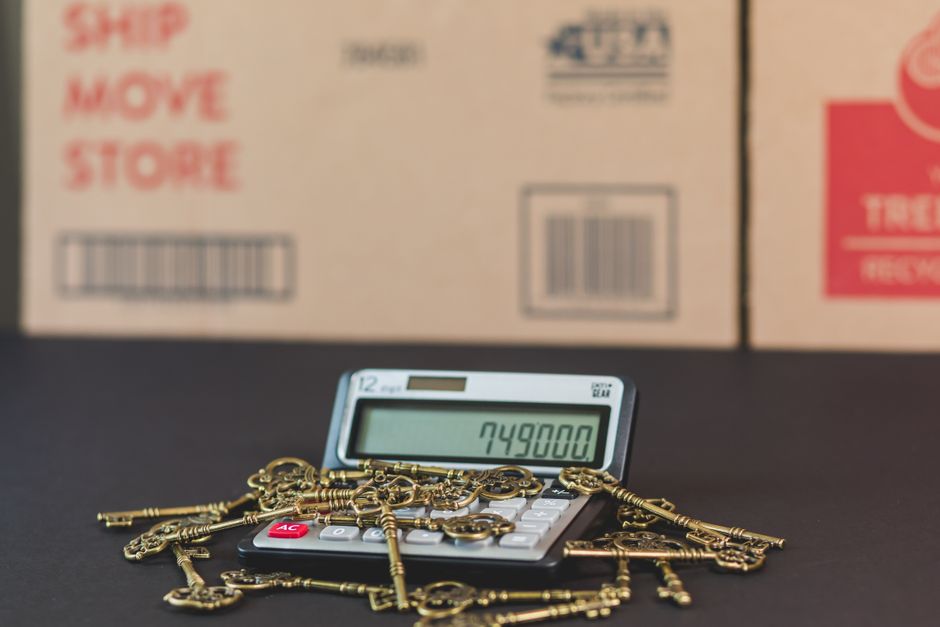
While shipping costs can be significant, there are several strategies to help manage expenses:
If pets are included in the move, arrange the pet passport and required health documentation separately when planning Shipping Personal Belongings To Canada Customs Declaration Costs.
- Consolidate Shipments: Combine shipments to maximize container space and reduce costs.
- Off-Peak Shipping: Shipping during less busy times can often reduce rates.
- Negotiate Rates: Don’t hesitate to negotiate with shipping companies for better rates, especially for large shipments.
Post-Shipping Considerations
Once your items have arrived in Canada, there are a few post-shipping tasks to complete:
- Check for Damage: Inspect your belongings for any damage incurred during transit and document it for insurance purposes.
- Settle Final Fees: Pay any remaining customs duties or taxes before taking possession of your items.
- Feedback to Service Providers: Provide feedback to your customs broker and moving company, which can assist others in making informed choices.
Evaluating Shipping Methods: Air Freight vs. Sea Freight
Choosing the right shipping method is crucial for managing the costs of shipping personal belongings to Canada. Both air freight and sea freight have distinct advantages and limitations that should be considered carefully.
Air Freight
- Speed: Air freight is the fastest option, ideal for urgent shipments.
- Cost: Typically more expensive due to the speed and convenience offered.
- Item Suitability: Best for smaller, high-value items that need quick delivery.
Sea Freight
- Economy: More cost-effective for bulk shipments but slower in transit.
- Capacity: Suitable for large volumes and non-perishable items.
- Environmental Impact: Generally has a lower carbon footprint compared to air freight.
Practical Steps to Minimize Shipping Costs
Reducing the costs associated with shipping personal belongings to Canada requires strategic planning and informed decision-making. Here are some practical steps to help you manage expenses:
Use the cost calculator with the shipment’s weight, dimensions, and destination to estimate Shipping Personal Belongings To Canada Customs Declaration Costs before booking.
Ask international moving companies for written cost quotes and compare the services included, such as transport, customs handling, and support with documentation. This makes it easier to evaluate Shipping Personal Belongings To Canada Customs Declaration Costs.
- Compare Shipping Quotes: Obtain quotes from multiple shipping companies to find the best rates.
- Optimize Packing: Use every inch of container space efficiently to avoid paying for unused volume.
- Leverage Trade Agreements: Check if your goods qualify for reduced duties under Canadian trade agreements.
Understanding the Role of Customs Brokers
Customs brokers can be invaluable in simplifying the customs declaration process. Their expertise can help navigate complex regulations and ensure compliance, potentially saving time and money.
Benefits of Hiring a Customs Broker
- Expert Guidance: Brokers provide advice on documentation and help avoid common pitfalls.
- Efficiency: They can expedite the clearance process, reducing potential delays.
- Cost Management: Brokers can identify opportunities to minimize duties and taxes legally.
Environmental Considerations in Shipping
As environmental awareness grows, considering the ecological impact of your shipping choices is essential. Here are some factors to keep in mind:
- Eco-Friendly Packing: Use sustainable and recyclable packing materials to reduce waste.
- Carbon Footprint: Opt for sea freight when possible, as it generally has a lower environmental impact compared to air freight.
- Shipping Company Practices: Inquire about the sustainability practices of your chosen shipping company.
Tips for Packing and Labeling
Proper packing and labeling are vital to ensuring the safe arrival of your belongings and smooth customs clearance:
- Invest in Quality Materials: Use sturdy boxes and adequate padding to protect items.
- Clear Labeling: Clearly label each box with its contents and your contact information.
- Inventory List: Maintain a detailed inventory list to assist with customs inspections and insurance claims.
Post-Shipping Considerations
After your belongings arrive in Canada, there are important steps to finalize the process:
- Inspect for Damage: Check all items for damage and document any issues for insurance purposes.
- Settle Fees: Ensure all customs duties and taxes are paid before taking possession of your belongings.
- Provide Feedback: Offer feedback to your customs broker and shipping company to aid in improving services.