
Germany Opportunity Card Chancenkarte Requirements (2026 Checklist & Complete Requirements)
The Germany Opportunity Card, known as the Chancenkarte, offers a streamlined pathway for skilled workers to enter the German labor market. Understanding the Chancenkarte Requirements is crucial for anyone planning to work in Germany by 2026. This guide provides a comprehensive checklist of requirements and answers key questions about the application process.
Table of Contents
Key Takeaways
- The Chancenkarte requires a points-based assessment for eligibility.
- Applicants must meet minimum salary thresholds and occupation criteria.
- Documentation includes a valid job offer, degree equivalency, and language proficiency.
Germany Opportunity Card Chancenkarte Requirements
To qualify for the Germany Opportunity Card, applicants must fulfill specific criteria designed to attract skilled professionals. This includes achieving a certain score on the points calculator for skilled migration, which evaluates qualifications, work experience, language skills, and age. The objective is to ensure that candidates can effectively contribute to Germany’s economy.
Use the Germany Opportunity Card Chancenkarte Requirements checklist to confirm that your passport is valid before preparing the rest of your application.
Eligibility Factors and Points System
The Chancenkarte uses a points-based system similar to the UK Skilled Worker Visa Eligible Occupation List. Key factors include educational background, professional experience, German language proficiency, and age. Each factor contributes to the total points required for eligibility.
| Eligibility Factor | Maximum Points |
|---|---|
| Education | 25 |
| Work Experience | 30 |
| Language Skills | 20 |
| Age | 15 |

Minimum Salary Threshold for Work Visa
Applicants must meet a minimum salary threshold defined by German immigration authorities. This threshold varies by industry and job role but is typically aligned with ensuring a sustainable livelihood in Germany.
Documentation Checklist
- Valid passport
- Job offer from a German employer
- Proof of qualifications and professional experience
- German language proficiency certificate
- Police clearance certificate for work visa
Global Skilled Worker Visa Guide
Germany is not alone in using a points-based system for skilled migration. Countries like Canada and Australia also employ similar systems. The express entry federal skilled worker points in Canada, for instance, shares some criteria with Germany’s system, emphasizing education, work experience, and language skills.
The Germany Opportunity Card Chancenkarte Requirements include evidence of qualifications, so collect degree records and documents showing professional training.
Comparison with Other Systems
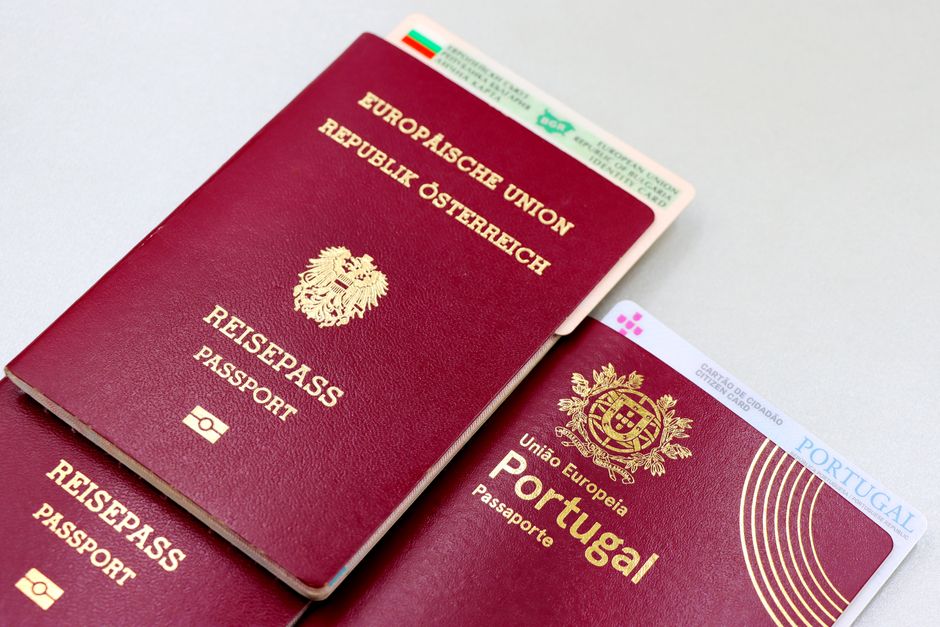
While the Chancenkarte focuses on a holistic evaluation of potential immigrants, some countries prioritize specific fields. In contrast, the skilled worker visa eligible occupation list in the UK targets occupations with high demand.
Before applying, use the Germany Opportunity Card Chancenkarte Requirements checklist to gather a valid passport, German job offer, qualification and experience records, language certificate, and police clearance certificate.
Work Permit Processing Time 2026
Processing times for the Chancenkarte can vary based on demand and the completeness of applications. As of 2026, applicants should expect processing times to range between 3 to 6 months, although this can be subject to change. Ensuring all documents are correct and complete can help expedite the process.
For the Germany Opportunity Card Chancenkarte Requirements, organize employment records that clearly demonstrate your relevant professional experience.
Points Calculator for Skilled Migration
Applicants can assess their eligibility using the points calculator provided by German authorities. This tool helps determine if an applicant meets the required score based on personal and professional attributes.
How to Use the Points Calculator
Enter details such as age, education, language proficiency, and work experience to receive a score. This score indicates the likelihood of qualifying for the Chancenkarte.
FAQ
What is the Germany Opportunity Card?
The Germany Opportunity Card is a points-based immigration program designed to attract skilled workers to the German labor market.
Language certificates are part of the Germany Opportunity Card Chancenkarte Requirements and should be included with the application documents.
How can I meet the minimum salary threshold?
Secure a job offer in Germany that meets or exceeds the industry-specific salary threshold set by immigration authorities.
What documents are needed for the Chancenkarte?
Essential documents include a job offer, proof of qualifications, language skills, and a police clearance certificate.
Conclusion
Understanding the Germany Opportunity Card Chancenkarte Requirements is vital for skilled workers wishing to work in Germany. By meeting the points-based criteria and preparing the necessary documentation, applicants can increase their chances of success.
Applicants reviewing the Germany Opportunity Card Chancenkarte Requirements should check their points for education, work experience, language skills, and age.
Review the Germany Opportunity Card Chancenkarte Requirements with the points calculator by entering your age, education, language proficiency, and work experience, then submit complete documents to help avoid processing delays.
How the Opportunity Card Route Works in Practice
The Opportunity Card is designed for qualified people who want to look for suitable employment in Germany before they have secured a long-term employment contract. It should therefore be distinguished from a residence route based on an existing job offer. The card can make it possible to enter Germany for a limited job-search period, subject to the conditions attached to the permit and the decision of the competent authority.
Applicants should identify which part of their profile establishes basic eligibility and which part is used for the points assessment. A recognised or comparable higher-education qualification or vocational qualification may be central to the application. Depending on the applicant’s route, professional experience, language ability and other personal factors can then affect the points result. Meeting one attractive criterion does not automatically compensate for a missing basic requirement.
A points calculator can help applicants assess the Germany Opportunity Card Chancenkarte Requirements before submitting an application.
Basic Eligibility Versus Points Eligibility
These two tests should be treated separately when preparing an application. Basic eligibility concerns matters such as the type of qualification held, whether it can be recognised or assessed, and whether the applicant can support the planned stay. The points assessment considers additional characteristics that may improve the application.
- Qualification: Prepare evidence showing the level, subject and awarding institution of the degree or vocational qualification.
- Recognition or comparability: Check whether the qualification requires formal recognition, an equivalence assessment or another form of verification.
- Experience: Document the dates, position, duties and employer for each relevant period of work.
- Language: Provide an accepted certificate where language ability is being used to satisfy a condition or claim points.
- Personal circumstances: Confirm age and any other factor that may be relevant to the points calculation.
- Financial support: Demonstrate that living costs can be covered during the job-search period.
A preliminary points calculation is useful, but it is not a substitute for an official decision. The authority may examine whether documents are genuine, complete and relevant to the claimed criterion. Applicants should avoid relying on points for which they cannot provide clear evidence.
Qualification Recognition and Anabin Checks
International qualifications often require more preparation than simply uploading a diploma. The responsible authority may need to establish whether a university is recognised and whether the qualification is comparable to a German qualification. For academic degrees, applicants may need to check the relevant database or obtain an individual statement of comparability. For regulated professions, recognition can involve a separate professional authority.
The Germany Opportunity Card Chancenkarte Requirements may include a German job offer, so applicants should keep the offer available as supporting documentation.
Applicants should begin this check before booking an appointment because recognition can take time and may require additional documents. A name change, missing transcript or unclear grading system can create requests for clarification. Where documents are not in German or another accepted language, certified translations may be required.
Documents Commonly Used to Prove Qualifications
- Final degree certificate or vocational qualification certificate
- Academic transcript, mark sheet or detailed training record
- Evidence identifying the awarding institution
- Recognition decision or statement of comparability, where applicable
- Professional licence or registration for a regulated occupation
- Certified translation when the original document is not accepted by the authority
A short course or informal certificate should not automatically be presented as equivalent to a formal vocational or academic qualification. The relevance, duration and status of the training may matter. Applicants should describe qualifications accurately rather than combining several unrelated certificates into one claim.
Proving Professional Experience
Work experience is most persuasive when the evidence shows both the length of employment and the nature of the work. A job title alone may be too vague, particularly where the same title is used differently by different employers. Reference letters should, where possible, explain the main duties, employment dates, working hours and technical responsibilities.
Applicants should obtain a police clearance certificate when assembling documents for the Germany Opportunity Card Chancenkarte Requirements.
- Employer reference letters on company letterhead
- Employment contracts showing start and end dates
- Pay slips, tax records or social insurance records where available
- Official employment certificates issued by a public authority
- Professional registration or project records relevant to the occupation
Gaps between jobs do not necessarily invalidate an application, but the timeline should be consistent. Create a chronological record covering education, employment, unemployment, self-employment and relevant training. If an applicant worked for several companies through an agency, the documents should make clear who the legal employer was and where the work was performed.
Language Evidence and Practical Use
Language ability can support both the points assessment and the practical job search. German is often especially useful for customer-facing, administrative and regulated roles, while English may be sufficient for some international workplaces. The applicable requirement depends on the route, the applicant’s evidence and the position being sought.
A certificate should identify the examination body, level and date of issue. Applicants should check whether the authority accepts the particular certificate and whether all language skills were assessed. A certificate for only reading and listening may not demonstrate the speaking ability expected in an interview or workplace.
Salary eligibility matters under the Germany Opportunity Card Chancenkarte Requirements because applicants must meet the applicable minimum salary threshold.
Preparing a Language Evidence File
- Place the certificate and any verification information together.
- Check that the spelling of the name matches the passport.
- Keep evidence of any relevant language course or examination registration.
- Do not claim a higher level based only on informal study or workplace exposure.
- Prepare a short explanation if the certificate uses a grading system that may not be familiar to the authority.
Financial Support for the Job-Search Period
An applicant must normally show how accommodation, food, transport, health coverage and other living costs will be paid while searching for work. The precise accepted method can depend on the application route and current administrative instructions. Common forms of evidence may include blocked funds, a formal declaration of financial support or income from an approved activity.
The financial plan should cover the entire intended period rather than only the first few weeks. Funds may need to be shown in a form that the authority can verify. An unexplained bank balance, borrowed money that will immediately be withdrawn or an account controlled by another person may lead to questions.
Prepare a simple monthly budget before applying. Include rent or temporary accommodation, health insurance, food, local travel, telephone costs and emergency reserves. If staying with relatives or friends, written accommodation evidence may help explain where the applicant will live, but it does not necessarily replace proof of financial support.
Review every document for accuracy when applying under the Germany Opportunity Card Chancenkarte Requirements, since incomplete applications may take longer to process.
Permitted Work During the Search Period
The Opportunity Card is primarily connected with searching for suitable employment, but the permit may allow limited work under its conditions. Applicants should read the wording of the residence document carefully before starting any job. The permitted number of hours, type of work and any trial employment rules must be followed exactly.
Working beyond the permitted scope can create immigration and employment problems. A person who receives a full-time offer should not assume that the existing card automatically authorises the new position. The applicant may need to apply for a different residence title or obtain confirmation from the competent authority before beginning the role.
- Check the work conditions printed on the permit.
- Ask the immigration authority before accepting work that differs from the approved arrangement.
- Keep copies of contracts, payslips and employer correspondence.
- Confirm that tax, social insurance and employment-law obligations are being handled correctly.
- Do not rely solely on verbal advice from an employer or recruiter.
Application Preparation: A Practical Sequence
Step 1: Define the Intended Occupation
Choose realistic occupation targets based on qualifications and experience. Use the official job title where possible and identify whether the profession is regulated. This prevents an application from presenting a general career ambition without showing how the applicant’s background fits the German labour market.
Applicants planning around the Germany Opportunity Card Chancenkarte Requirements should allow three to six months for the stated processing timeframe.
Step 2: Review Qualification Status
Determine whether the qualification is recognised, comparable or still awaiting assessment. Collect transcripts, translations and professional permissions before submitting the application. If recognition is pending, keep correspondence with the responsible body as part of the file.
Step 3: Calculate the Likely Score
List each criterion separately and attach the document that proves it. Do not count the same evidence twice unless the rules clearly allow the characteristic to support more than one requirement. Mark uncertain items as provisional and seek clarification rather than assuming they qualify.
Step 4: Build the Financial and Housing Plan
Choose the intended city or region, estimate initial costs and prepare evidence of funding. A flexible plan is useful because the final job may be in a different city from the first accommodation. Applicants should also consider travel within Germany for interviews.
The Germany Opportunity Card Chancenkarte Requirements are designed to assess whether skilled professionals can contribute effectively to Germany’s labor market.
Step 5: Prepare the Submission Package
Follow the instructions of the German mission abroad or local immigration authority responsible for the application. Forms should be complete, signed where required and consistent with the passport. Arrange documents in the requested order and keep a full electronic and paper copy.
Step 6: Prepare for Questions
At an appointment or interview, applicants may be asked about their occupation, job-search strategy, qualifications, finances and accommodation. Answers should match the documents. Prepare a concise explanation of target roles, relevant employers, language ability and the steps already taken to find work.
Common Problems That Delay Applications
- Inconsistent dates: The curriculum vitae, reference letters and application form show different employment periods.
- Unclear translations: A translation omits seals, signatures, grades or important qualification details.
- Unverified certificates: The authority cannot confirm the issuing institution or examination result.
- Insufficient financial explanation: The applicant provides a balance but does not show how the funds relate to the planned stay.
- Unrealistic occupation choice: The intended work does not match the applicant’s education or documented experience.
- Expired identity documents: The passport does not cover the expected application or travel period.
- Missing insurance evidence: Coverage does not clearly apply during the stay in Germany.
When an authority requests additional documents, respond by the stated deadline and provide a short index explaining each attachment. Sending many unrelated files can make review harder. If a document cannot be obtained, explain why and provide alternative evidence only where appropriate.