
Cheap Universities In Europe For Masters Requirements (2026 Checklist & Complete Requirements)
Securing a master’s degree from a European university can be an affordable and enriching experience. However, understanding the cheap universities in Europe for masters requirements is crucial to ensure a smooth application process. This guide provides a comprehensive checklist, complete with eligibility criteria and application deadlines, to help you navigate your options in 2026.
Table of Contents
- Key Takeaways
- Understanding Cheap Universities in Europe for Masters Requirements
- Top Universities for Masters in Europe
- Application Deadlines and Process
- Living Expenses and Proof of Funds
- Steps to Identify the Ideal University for Your Needs
- Financial Planning for Studying in Europe
- Language Proficiency and Cultural Adaptation
- Understanding Visa Requirements and Immigration Policies
- Leveraging University Resources and Support Services
- Comparing Cost of Education Across Europe
- Evaluating Tuition-Free and Low-Cost Universities
- Practical Steps for Application Preparation
- Exploring Financial Aid Options
- Assessing Living Costs and Quality of Life
- Making Informed Decisions
- Adapting to European Academic Culture
- Exploring Dual Degree Programs as a Cost-Effective Option
- Evaluating the Impact of Brexit on UK Universities
- Understanding the Bologna Process and Its Benefits
- Maximizing Benefits from Erasmus+ Program
- Strategizing for Successful Scholarship Applications
- Conclusion
Key Takeaways
- Research application deadlines early to avoid missing out.
- Look for universities offering application fee waivers to save costs.
- Ensure you meet the study abroad eligibility criteria before applying.
- Consider tuition free universities in Europe to minimize expenses.
- Understand the specific requirements of each institution.
Understanding Cheap Universities in Europe for Masters Requirements
When searching for affordable master’s programs, consider tuition free universities in Europe and those offering reduced fees. Countries like Germany, Norway, and Austria often provide free or low-cost education to international students. Additionally, universities offering application fee waivers can further lessen your financial burden.
University Admission Requirements 2026
Admission requirements for 2026 will vary by institution and program. Generally, you’ll need:
Cheap Universities In Europe For Masters Requirements typically begin with a recognized bachelor's degree or equivalent qualification relevant to the selected program.
- A bachelor’s degree or equivalent.
- Proof of English or local language proficiency (IELTS, TOEFL, etc.).
- Recommendation letters.
- A statement of purpose.
- CV or resume.
Be sure to check specific university portals for the most accurate details.
Study Abroad Eligibility Criteria
Eligibility criteria for studying abroad include academic qualifications and language proficiency. Additionally, some programs may require relevant work experience or specific prerequisite courses.
Top Universities for Masters in Europe
When choosing a university, it’s important to balance cost with academic reputation. Some top universities for masters in Europe include:
Check Cheap Universities In Europe For Masters Requirements for accepted English tests, such as IELTS or TOEFL, before submitting an application.
- University of Vienna, Austria
- Ludwig Maximilian University of Munich, Germany
- University of Oslo, Norway
Many of these institutions offer competitive programs with reasonable living expenses.
Postgraduate Direct Entry Admission
Some European universities allow postgraduate direct entry admission without requiring additional qualifications or exams. This can streamline your application process and reduce costs.
Application Fee Waiver Universities
Looking for application fee waiver universities can significantly reduce initial expenses. Many universities provide fee waivers based on need or merit, which can help make education more accessible.
Cheap Universities In Europe For Masters Requirements may include proof of local-language proficiency when the master's program is not taught in English.
Application Deadlines and Process
Understanding the application deadline for international students is crucial. Deadlines typically range from December to March for a September intake, but vary by country and university. Starting your application early ensures ample time to gather necessary documents.
| Country | Typical Deadline |
|---|---|
| Germany | December – March |
| Norway | December – March |
| Poland | January – April |
Living Expenses and Proof of Funds
While tuition might be low or free, consider living expenses when planning your budget. Most countries require proof of funds as part of the student visa application to ensure you can support yourself during your studies.
FAQs

What are the requirements for studying in Norway?
Requirements include a bachelor’s degree, language proficiency, and proof of funds. For detailed information, see Study In Norway For International Students Requirements.
Prepare recommendation letters early because Cheap Universities In Europe For Masters Requirements commonly list them among the required application documents.
How can I apply for a university in Poland?
To apply, gather required documents, check program-specific requirements, and submit your application before deadlines. Details can be found in How To Apply For University In Poland Requirements.
Which universities offer application fee waivers?
Several universities in Europe and globally offer application fee waivers. For more options, check Universities In Australia With Application Fee Waiver Requirements.
Steps to Identify the Ideal University for Your Needs
Choosing the right university involves more than just considering tuition fees. Here are some steps to help you identify the ideal institution for your master’s studies in Europe:
A focused statement of purpose can support Cheap Universities In Europe For Masters Requirements by explaining your academic goals and program choice.
- Define Your Academic Goals: Determine which programs align with your career aspirations and academic interests.
- Research University Rankings: While affordability is key, consider universities with strong reputations in your field of study.
- Evaluate Location Preferences: Consider the cultural, social, and economic environment of potential host countries.
- Assess Financial Aid Opportunities: Look for scholarships, grants, and other financial aid options that can further reduce costs.
- Review Alumni Success: Investigate the career paths of alumni to gauge the potential return on investment from each institution.
Financial Planning for Studying in Europe
Effective financial planning is crucial for a successful study abroad experience. Here are some considerations:
Budgeting for Living Expenses
In addition to tuition, living expenses can vary significantly by country and city. Research the cost of living in your chosen destination, including accommodation, food, transportation, and healthcare.
Part-Time Work Opportunities
Many European countries allow international students to work part-time during their studies. This can be an excellent way to offset living expenses while gaining work experience.
Update your CV or resume to meet Cheap Universities In Europe For Masters Requirements and clearly present your education and relevant experience.
Scholarships and Grants
Explore scholarships and grants offered by universities, governments, and private organizations. These can significantly reduce your financial burden and make studying abroad more feasible.
Language Proficiency and Cultural Adaptation
Language proficiency is often a requirement for admission, especially in non-English speaking countries. Here’s how to prepare:
Language Preparation
Consider taking language courses or certifications like IELTS or TOEFL well in advance. Some universities offer preparatory language programs for international students.
Applicants reviewing Cheap Universities In Europe For Masters Requirements should verify whether a program requires prerequisite courses or relevant work experience.
Cultural Adaptation
Understanding the cultural nuances of your host country can enhance your study abroad experience. Engage in cultural exchange programs or connect with current students to gain insights.
Understanding Visa Requirements and Immigration Policies

Securing a student visa is a critical step in the process. Here’s what you need to know:
Visa Application Process
Each country has specific visa requirements, which may include proof of admission, financial means, and health insurance. Start the application process early to avoid delays.
For Cheap Universities In Europe For Masters Requirements, compare tuition policies in countries such as Germany, Norway, and Austria before choosing a destination.
Immigration Policies
Stay informed about immigration policies, especially regarding work permits and post-study work options. This knowledge can influence your decision on where to study.
Leveraging University Resources and Support Services
Universities often provide resources to help international students acclimate and succeed:
Student Support Services
Take advantage of counseling, academic advising, and career services offered by universities. These resources can help you navigate challenges and maximize your academic experience.
Investigate application fee waiver options alongside Cheap Universities In Europe For Masters Requirements to reduce upfront application expenses.
Networking Opportunities
Engage with student organizations, alumni networks, and industry events to build connections that can aid in your academic and professional journey.
Comparing Cost of Education Across Europe
The cost of education can vary widely across Europe. Here’s a brief comparison:
- Western Europe: Countries like France and the UK tend to have higher tuition fees but offer prestigious programs and a vibrant cultural experience.
- Nordic Countries: Known for free or low-cost education, countries like Norway and Sweden provide high-quality education with a focus on sustainability and innovation.
- Eastern Europe: Countries such as Poland and Hungary offer affordable education and living costs, making them attractive for budget-conscious students.
Evaluating Tuition-Free and Low-Cost Universities
When considering cheap universities in Europe for masters requirements, it’s essential to recognize the distinction between tuition-free and low-cost institutions. Tuition-free universities, such as those in Germany and Norway, often require students to cover only administrative fees. In contrast, low-cost universities may charge modest tuition fees but offer substantial savings compared to institutions in other parts of the world.
Record each institution's closing date because Cheap Universities In Europe For Masters Requirements vary, with many September intake deadlines falling between December and March.
- Germany: Offers tuition-free education at public universities, with students paying only a nominal semester fee.
- Norway: Provides free education for all students, including international students, although living costs can be high.
- Austria and Finland: Charge low tuition fees, especially for EU students, and offer numerous scholarships to offset costs for non-EU students.
Practical Steps for Application Preparation
Applying to universities in Europe requires careful preparation and attention to detail. Here are practical steps to streamline your application process:
- Document Checklist: Compile a list of required documents such as transcripts, language test scores, and recommendation letters.
- Personal Statement: Craft a compelling statement of purpose that aligns with the program’s goals and highlights your academic and professional achievements.
- Recommendation Letters: Request letters from professors or employers who can attest to your skills and potential.
- Language Proficiency: If required, schedule and prepare for language proficiency tests well in advance.
- Application Timeline: Create a timeline to track application deadlines and ensure timely submission.
Exploring Financial Aid Options
Securing financial aid can significantly ease the burden of studying abroad. Consider the following options:
- University Scholarships: Many universities offer scholarships based on academic merit or financial need. Research and apply for these opportunities early.
- Government Grants: Some European governments provide grants to international students. Check eligibility criteria and application procedures for each country.
- Private Scholarships: Explore scholarships offered by private organizations and foundations, which may have less competition.
- Work-Study Programs: Investigate work-study options that allow you to earn while you learn, helping to cover living expenses.
Assessing Living Costs and Quality of Life
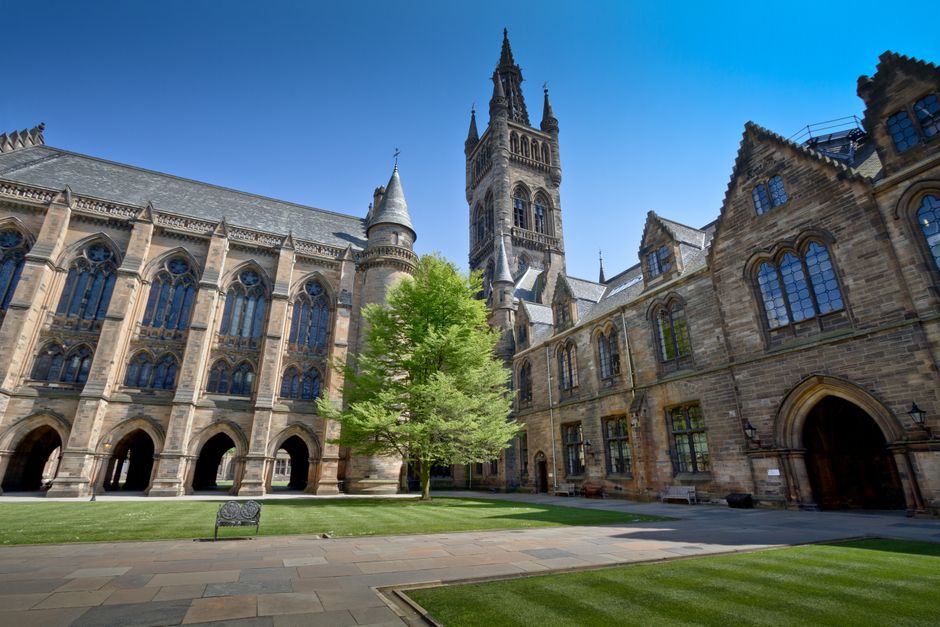
While education costs are a crucial factor, living expenses can vary greatly across Europe. Here’s how to assess these costs:
Include living costs in your planning for Cheap Universities In Europe For Masters Requirements, even when tuition is free or reduced.
- Accommodation: Compare the cost and availability of student housing, apartments, and shared accommodations in your chosen city.
- Transportation: Consider the cost and convenience of public transportation systems, as well as the feasibility of biking or walking.
- Healthcare: Research the healthcare options available to students, including insurance requirements and student health services.
- Leisure and Culture: Evaluate the cost of cultural activities, dining, and entertainment, as these contribute to your overall experience.
Making Informed Decisions
Deciding on the right university involves weighing various factors beyond just cost. Here’s how to make an informed choice:
- Program Relevance: Ensure the program aligns with your career goals and offers courses that interest you.
- Faculty Expertise: Research the faculty’s expertise and their involvement in research or industry projects.
- Networking Potential: Consider the university’s connections with industries and potential for networking opportunities.
- Post-Graduation Opportunities: Look into the university’s support for internships and job placements, as well as the success rate of graduates in your field.
Adapting to European Academic Culture
Understanding and adapting to the academic culture in Europe can enhance your study experience:
- Teaching Style: European universities often emphasize independent learning and critical thinking. Be prepared for seminars and discussions.
- Assessment Methods: Familiarize yourself with different assessment methods, such as essays, projects, and oral exams.
- Class Participation: Active participation and collaboration with peers are often encouraged and can improve your learning outcomes.
- Resource Utilization: Take advantage of libraries, labs, and online resources provided by the university to support your studies.
Exploring Dual Degree Programs as a Cost-Effective Option
Dual degree programs offer a unique opportunity to earn two qualifications simultaneously, potentially saving both time and money. Many European universities partner with institutions worldwide to offer these programs, allowing students to gain diverse perspectives and skills. When considering cheap universities in Europe for masters requirements, explore dual degree options that align with your academic and career goals.
Visa planning is part of Cheap Universities In Europe For Masters Requirements, so prepare proof of funds when the destination requires it for student applications.
- Time Efficiency: Dual degree programs can often be completed in a shorter timeframe compared to pursuing two separate degrees.
- Cost Savings: By combining two programs, students may benefit from reduced tuition fees and shared resources.
- Global Exposure: Studying in different countries enhances cultural understanding and broadens professional networks.
Evaluating the Impact of Brexit on UK Universities
With the ongoing effects of Brexit, prospective students should be aware of how changes may impact tuition fees and visa requirements for studying in the UK. While the UK offers prestigious programs, recent policy changes have altered the landscape for international students seeking affordable education.
- Tuition Fee Changes: Post-Brexit, EU students may face higher fees similar to those of non-EU students, impacting overall affordability.
- Visa Requirements: New visa regulations may require additional documentation and fees, affecting the ease of studying in the UK.
- Scholarship Opportunities: Some UK universities have introduced scholarships specifically to attract international students post-Brexit.
Understanding the Bologna Process and Its Benefits
The Bologna Process is a collaborative effort to standardize higher education across Europe, facilitating student mobility and degree recognition. Understanding this framework can help students navigate their options when searching for cheap universities in Europe for masters requirements.
- Standardized Degrees: The process ensures consistency in degree structures, making it easier to transfer credits and qualifications across countries.
- Increased Mobility: Students can benefit from exchange programs and joint degrees, enhancing their educational experience.
- Quality Assurance: Participating countries adhere to agreed-upon standards, ensuring high-quality education across institutions.
Maximizing Benefits from Erasmus+ Program
The Erasmus+ program is a European Union initiative offering funding for education, training, youth, and sports. It provides financial support to students pursuing higher education in Europe, making it an attractive option for those seeking affordable study opportunities.
- Funding Opportunities: Erasmus+ grants can cover tuition fees, travel, and living expenses, reducing the financial burden on students.
- Exchange Programs: The program facilitates student exchanges, allowing participants to study in different European countries.
- Skill Development: In addition to academic benefits, Erasmus+ enhances language skills and cultural awareness.
Strategizing for Successful Scholarship Applications
Securing scholarships is crucial for minimizing costs when studying abroad. Here are strategies to enhance your scholarship applications:
- Research Thoroughly: Identify scholarships that align with your profile and meet eligibility criteria.
- Tailor Applications: Customize each application to highlight relevant achievements and experiences.
- Seek Feedback: Have mentors or peers review your application materials to ensure clarity and impact.
- Meet Deadlines: Adhere to application deadlines to avoid disqualification due to late submissions.
Conclusion
Finding cheap universities in Europe for masters requirements involves research and careful planning. By understanding application requirements, deadlines, and potential expenses, you can make informed decisions and optimize your educational journey.