
Air Freight Vs Sea Freight For International Relocation in 2026: Complete Practical Guide – Midevibezng
Choosing between air freight and sea freight for international relocation can significantly impact both cost and convenience. In 2026, understanding the nuances of each option will help you make an informed decision. This guide thoroughly explores these options to streamline your move.
Table of Contents
Key Takeaways
- Air freight is faster but typically more expensive than sea freight.
- Sea freight is ideal for shipping large volumes but requires careful timing.
- Understanding customs clearance is crucial for a smooth relocation.
- Both options require proper documentation and planning for personal effects.
Understanding Air Freight Vs Sea Freight For International Relocation
When faced with the decision of air freight vs sea freight for international relocation, the fundamental difference lies in speed and cost. Air freight offers rapid delivery, making it suitable for urgent moves or when transporting valuable items. On the other hand, sea freight is more economical, especially for large volumes, but involves longer transit times.
Air Freight Vs Sea Freight For International Relocation requires comparing urgency with affordability before selecting a transport method.
Cost Considerations
The cost of relocating internationally via air freight is generally higher due to the speed and efficiency it offers. In contrast, sea freight, particularly for a shipping container from Lagos to the UK, provides better value for volume. Understanding how much does shipping container from Lagos to UK cost will be crucial to budgeting your move.
Time Frame
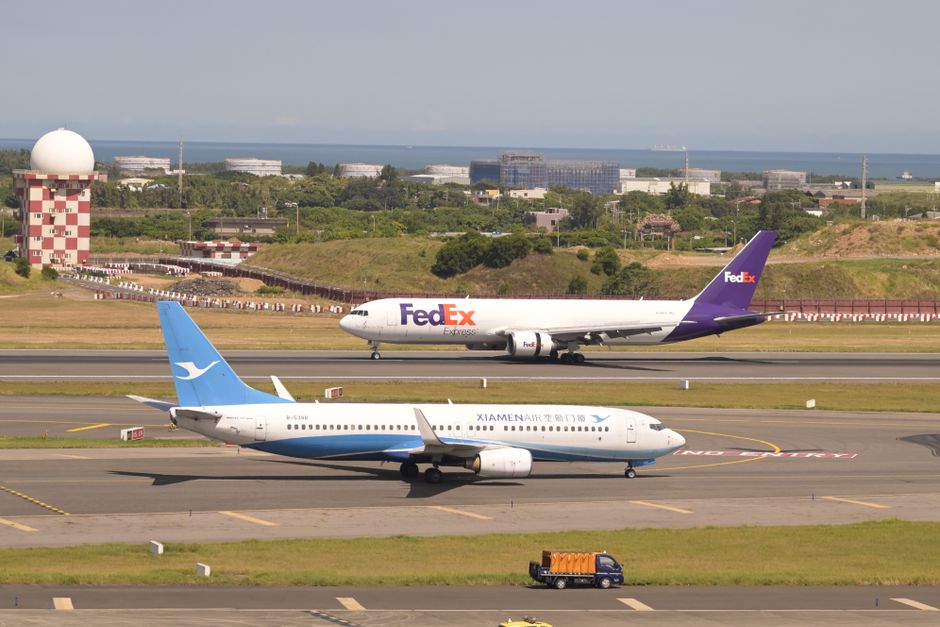
If time is of the essence, air freight is the preferred option, with delivery times ranging from a couple of days to a week. Sea freight, however, can take several weeks, which is a vital consideration if planning is tight.
Customs and Regulations
Both air and sea freight require navigating customs regulations. Customs clearance personal effects relocation can be complex, so it’s essential to understand the necessary paperwork and procedures to avoid delays. Employing a customs broker might be beneficial to streamline the process.
For Air Freight Vs Sea Freight For International Relocation, air freight suits urgent shipments that must arrive within days or about a week.
Preparing for Your International Move
Preparation is key to a successful move. Here’s what you need to consider:
Before choosing Air Freight Vs Sea Freight For International Relocation, prepare your passport, visas, item inventory, insurance policies, shipping agreements, and customs documents. Accurate paperwork helps reduce delays during customs clearance for personal effects.
Essential Pre-Relocation Documents Checklist
- Passport and visas
- Inventory of items
- Insurance policies
- Shipping and transport agreements
- Customs documentation
Pet Relocation Services
If relocating with pets, obtaining a pet passport and arranging for pet relocation services is crucial. Each country has specific requirements, so check these well ahead of your move date.
Sea freight may be more suitable for Air Freight Vs Sea Freight For International Relocation when your belongings occupy a large volume.
Choosing the Right Moving Company
Selecting from the best international moving companies reviews and cost estimate ensures that your belongings are in safe hands. Requesting an international moving companies cost quote can aid in comparing potential service providers.
SendMyBag Excess Luggage Shipping Reviews
Evaluating SendMyBag excess luggage shipping reviews can provide insights into reputable shipping services. This service is particularly useful for sending smaller volumes of personal items independently of larger shipments.
FAQs
What are the main differences between air freight and sea freight?
Air freight is significantly faster but more expensive than sea freight, which is suitable for larger, non-urgent shipments due to its cost-effectiveness.
Budget planning for Air Freight Vs Sea Freight For International Relocation should account for air freight’s higher cost compared with sea freight.
How can I ensure smooth customs clearance?
Having accurate and complete documentation is crucial. Hiring a customs broker can help navigate complexities in personal effects relocation.
Are there additional costs for pet relocation?
Yes, pet relocation typically involves additional fees for passports, vaccinations, and specialized transport services.
Conclusion
Deciding between air freight and sea freight for international relocation involves weighing speed against cost. Both methods have their advantages and require careful planning to ensure a seamless transition to your new home.
When reviewing Air Freight Vs Sea Freight For International Relocation, consider whether a shipping container from Lagos to the UK fits your household volume.
Use Air Freight Vs Sea Freight For International Relocation to match the shipment with your schedule and volume: air freight suits urgent or valuable items, while sea freight is more economical for larger volumes but needs several weeks of planning.
Related keywords: shipping container lagos to uk cost, air freight vs sea freight relocation.
Building a Shipment Plan Around Your Household
A successful international relocation begins with deciding what should travel with you, what can be shipped later, and what is not worth transporting. Create three categories: essential arrival items, medium-priority belongings, and replaceable or unnecessary goods. This decision affects whether air or sea transport is practical.
Transit planning is essential for Air Freight Vs Sea Freight For International Relocation because sea freight can take several weeks.
- Arrival essentials: medication, work equipment, important documents, several changes of clothing, basic toiletries, and items needed during the first days.
- Medium-priority belongings: kitchen equipment, books, seasonal clothing, children’s items, and personal possessions that are useful but not immediately required.
- Replaceable goods: bulky, inexpensive, damaged, or locally available items that may cost more to ship than to replace.
Keep essential items in your accompanied baggage or a small air shipment rather than placing everything in a sea container. This reduces the pressure to wait for the main consignment before settling into your new home.
Use a Detailed Inventory
Prepare an inventory before packing begins. Record a plain-language description, quantity, approximate value, condition, and identifying features for each item. “Electronics” is too vague for insurance and customs purposes; descriptions such as “used 27-inch computer monitor” are more useful.
- Assign a numbered label to every box, carton, suitcase, or wrapped item.
- Record the label number beside its contents on the inventory.
- Photograph valuable goods before they are packed.
- Keep copies of the inventory in cloud storage and with your shipping representative.
- Separate restricted, fragile, and high-value items so they receive appropriate handling.
Do not underestimate the importance of accurate quantities. Customs authorities may compare the declaration with the physical shipment. Inconsistent descriptions, unexplained values, or missing paperwork can create questions and delay release.
Before arranging Air Freight Vs Sea Freight For International Relocation, prepare an accurate inventory of every item being shipped.
How to Choose Between Air and Sea for Different Items
The best decision is often a combination of both transport modes rather than an all-air or all-sea shipment. Air freight can carry a small priority consignment, while sea freight handles furniture and other bulky possessions. This mixed strategy may provide a better balance between immediate access and total moving cost.
Items Often Better Suited to Air Freight
- Professional equipment needed to start work quickly.
- Small quantities of clothing and personal necessities.
- Documents or non-replaceable personal records, when permitted and properly protected.
- Compact valuables that are allowed by the carrier and destination rules.
- Children’s essentials required soon after arrival.
Air freight is not automatically suitable for every valuable item. Some goods are restricted because of batteries, liquids, pressurised contents, security concerns, or insurance limitations. Confirm acceptance with the carrier before packing.
Items Often Better Suited to Sea Freight
- Furniture and household equipment that would be expensive to replace.
- Large quantities of clothing, books, and non-urgent household goods.
- Sports equipment, musical instruments, and workshop items that fit safely into the shipment.
- Goods that can remain unused while the household is settling in.
Sea freight requires protection against movement, moisture, and repeated handling. Items should be packed for a longer journey rather than treated like ordinary local-move cartons.
Passports, visas, insurance policies, shipping agreements, and customs documents should be organized for Air Freight Vs Sea Freight For International Relocation.
Understanding Shipment Size and Packing Methods
Moving companies may quote based on weight, volume, chargeable weight, container size, or a combination of these factors. Air shipments can be affected by both actual weight and the space a package occupies. A lightweight but oversized carton may therefore cost more than expected.
Ask the mover to explain how the quoted volume was calculated. Request the estimated packed dimensions, not only the number of boxes. A preliminary estimate made before packing may change after furniture is dismantled, protective materials are added, or irregular items are measured.
Practical Packing Controls
- Use strong cartons of suitable sizes rather than filling very large boxes with heavy items.
- Place heavier objects at the bottom and protect empty spaces against shifting.
- Wrap fragile goods individually and mark internal contents on the inventory.
- Do not pack prohibited goods merely because they are harmless in ordinary household use.
- Keep original product labels where they help identify contents, but remove old shipping labels.
- Seal boxes only after the mover or required inspection process has been completed.
For a container shipment, ask whether the mover uses a shared container or a dedicated container. Shared arrangements can suit smaller consignments, while a dedicated container may offer more control over loading and unloading. The appropriate option depends on volume, budget, destination service, and scheduling.
Customs clearance personal effects relocation should be reviewed carefully during Air Freight Vs Sea Freight For International Relocation to help prevent paperwork-related delays.
Comparing the Full Cost Rather Than the Transport Charge
The transport price is only one part of the relocation budget. Request a written breakdown that identifies which services are included and which may be billed separately. This prevents a low initial quote from becoming unexpectedly expensive after collection or arrival.
- Collection from the origin address.
- Packing, wrapping, dismantling, and furniture protection.
- Export handling and origin terminal charges.
- Freight charges and fuel-related adjustments, where applicable.
- Documentation and customs processing.
- Destination terminal handling and delivery.
- Storage before collection or after arrival.
- Stairs, lifts, long carries, restricted-access delivery, or waiting time.
- Insurance or transit protection.
Ask whether the quotation is binding, estimated, or subject to remeasurement. Clarify the currency, payment schedule, cancellation terms, and treatment of exchange-rate changes. A written quote should also state whether customs duties, taxes, inspections, and government charges are excluded.
Questions for the Moving Company
- Who will collect, consolidate, transport, and deliver the shipment?
- Which parts of the journey are handled by subcontractors?
- What packaging standard is used for fragile and wooden items?
- How are delays, damage claims, and missing cartons reported?
- Is storage available if the home is not ready at destination?
- What happens if the shipment is selected for inspection?
- Which items are excluded from coverage?
Customs Preparation for Household Goods
Customs treatment varies by destination, personal circumstances, type of goods, and the documents supplied. Do not assume that used household possessions are automatically exempt from duties or taxes. Confirm the destination requirements before the shipment leaves the origin country.
Pet owners planning Air Freight Vs Sea Freight For International Relocation should arrange a pet passport and check the destination country’s requirements early.
Prepare a consistent document set containing identification, transport paperwork, a detailed inventory, proof of address or relocation where requested, and any permits relevant to special goods. The name and address should be consistent across the documents whenever possible.
Common Sources of Customs Delay
- Incomplete or unsigned declarations.
- Vague descriptions such as “miscellaneous items.”
- Values that appear unrealistic or are missing entirely.
- Differences between the packing list and the actual cartons.
- Unclear ownership or purchase information for recently acquired goods.
- Restricted products packed without the required approval.
- Failure to respond promptly to a customs or broker request.
If a broker is appointed, provide documents early and ask how questions will be communicated. Confirm who is authorised to act for you and whether broker fees are included in the moving quotation. Keep copies of every submitted form and receipt.
Insurance, Risk and Claims Readiness
Transit protection should be reviewed before packing, not after damage occurs. Basic carrier liability may be limited and may not reflect the full replacement value of your possessions. Ask what type of cover is offered, which causes of loss are included, and whether claims are settled by repair, replacement, or declared value.
Comparing international moving companies’ reviews and cost estimates can help you choose a provider for Air Freight Vs Sea Freight For International Relocation.
Make a separate list of high-value goods and retain evidence of ownership where available. Photographs should show the item’s condition before packing. For fragile or valuable possessions, ask whether the mover requires professional packing for coverage to apply.
- Read exclusions for poor packing, ordinary wear, moisture, delay, and unattended delivery.
- Check whether pairs or sets are treated as one item or separate items.
- Note the deadline for reporting visible damage and concealed damage.
- Inspect cartons before signing the delivery receipt.
- Write specific damage notes instead of signing only “received in good condition.”
- Keep damaged packaging until the claim process is complete.
Managing Timing and Temporary Storage
International relocation dates can change because of housing, employment, visa, port, flight, or delivery circumstances. Build flexibility into the plan rather than scheduling the shipment to arrive on the same day as your flight. A home may not be ready, and a shipment may require additional processing before final delivery.
Ask the mover to explain the difference between estimated transit time and total door-to-door time. The latter may include collection scheduling, export preparation, consolidation, waiting for a sailing or flight, destination handling, customs, and final delivery.
SendMyBag excess luggage shipping reviews may help when Air Freight Vs Sea Freight For International Relocation involves sending a smaller volume of personal items separately.
Create a Contingency Plan
- Set aside enough clothing, medication, documents, and technology for a delay.
- Arrange temporary accommodation that can receive essential deliveries if needed.
- Confirm the storage rate and notice period before the shipment is collected.
- Provide a reliable destination contact number and email address.
- Tell the mover promptly if your delivery address or availability changes.
Storage can protect goods when the destination property is unavailable, but it adds handling and cost. Ask whether goods remain in the original container, are transferred to a warehouse, or require repacking. The answer may affect both timing and risk.
Final Pre-Collection Checklist
- Confirm the chosen transport method and service level in writing.
- Review the final inventory after packing and measurement.
- Remove prohibited, hazardous,