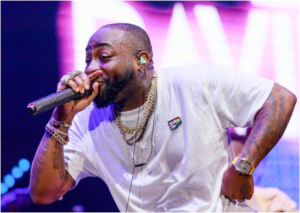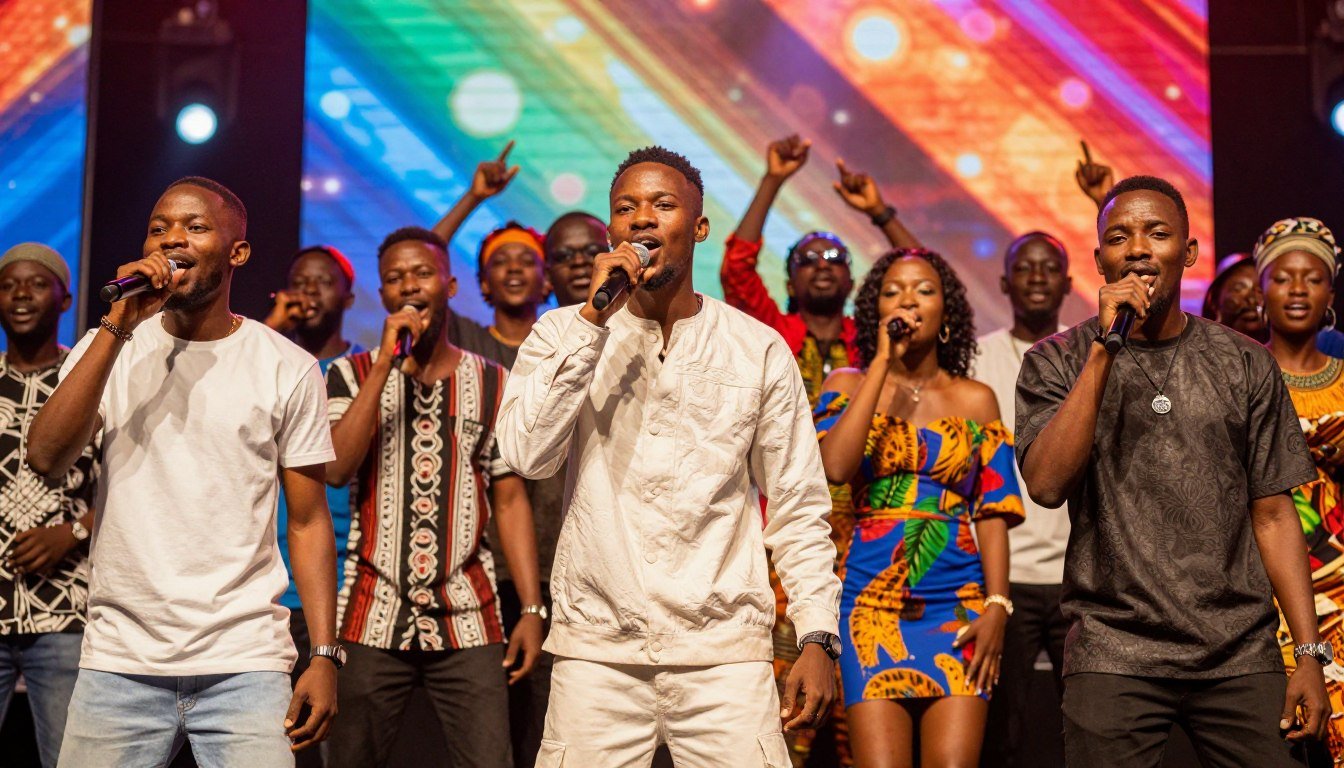
Do you remember the exact moment a rhythm from Lagos captured your soul? For many, it feels like a heartbeat that connects us all, transcending borders and uniting millions through pure, unadulterated sound. We are witnessing a cultural revolution where local melodies have become the global anthem.
This vibrant shift in our musical landscape is more than just a trend. It represents a bold, creative explosion that defines our modern identity. These artists are not just performing; they are crafting a legacy that resonates from the streets of Lagos to the furthest corners of the globe.
Their energy brings a fresh perspective to the industry, proving that innovation thrives when passion meets heritage. As we explore this movement, you will see why this era marks a pivotal moment in history. Get ready to dive into the sounds that are currently shaping our world.
Key Takeaways
- A fresh wave of talent is currently dominating the continental airwaves.
- Modern sounds from Lagos are influencing global music trends significantly.
- Cultural pride serves as the foundation for this artistic movement.
- Innovation and energy define the current era of sound production.
- This shift represents a historic milestone for modern music creators.
The Evolution of the Nigerian Music Industry
The transformation of the nigerian music industry is a testament to cultural resilience and innovation. Over the past few decades, the soundscape has shifted from regional appreciation to a massive international phenomenon that commands attention on every continent.
From Local Sounds to Global Dominance
Historically, the foundation of our sound was built on the rich rhythms of Highlife and the politically charged messages of Afrobeat legends like Fela Kuti. These traditional roots provided the creative DNA for modern artists to experiment and grow.
Today, this african music evolution has successfully bridged the gap between local heritage and global pop trends. By blending indigenous percussion with polished electronic production, Nigerian singers have created a unique sonic identity that resonates with listeners from London to Los Angeles.
“Music is the weapon of the future, and the rhythm of Nigeria is now the heartbeat of the world.”
The Digital Shift and Streaming Revolution
The rise of digital platforms has fundamentally changed how music is consumed and monetized. In the past, artists relied heavily on physical distribution and local radio play to reach their audience.
Now, streaming services have democratized access, allowing independent creators to bypass traditional gatekeepers. This shift has empowered a new generation to build direct connections with fans across the globe, ensuring that the nigerian music industry remains at the forefront of the digital age.
Technology has turned the world into a smaller place for talent. As african music evolution continues to accelerate, the barrier to entry has lowered, making it possible for a bedroom producer in Lagos to top international charts overnight.
The New Generation of Nigerian Singers Taking Over Africa
Today, the new generation of nigerian singers taking over africa is redefining what it means to be a global superstar. These artists are not merely following established paths; they are actively carving out new sonic territories that resonate with listeners from Lagos to London.
By embracing creative experimentation, these performers have turned the industry on its head. They prioritize authenticity while maintaining a sharp focus on high-quality production that competes on the world stage.
Defining the Sound of the Modern Era
The modern era of Nigerian music is characterized by a fearless approach to composition. Producers and vocalists now blend traditional rhythms with futuristic synthesizers to create a sound that feels both nostalgic and cutting-edge.
This unique identity is what sets these afrobeats stars apart from their predecessors. They understand that to capture a global audience, they must remain true to their roots while incorporating universal melodies that transcend language barriers.
The Fusion of Afrobeats, R&B, and Highlife
At the core of this movement is a sophisticated fusion of genres. By weaving the soulful melodies of R&B into the rhythmic backbone of Highlife and the infectious energy of Afrobeats, these singers create a soundscape that is impossible to ignore.
This blend allows for a diverse range of emotional expression, from upbeat dance tracks to introspective ballads. The following table highlights how these musical elements have evolved to create the current industry standard:
| Musical Element | Traditional Roots | Modern Integration |
|---|---|---|
| Rhythm Patterns | Classic Highlife Percussion | Electronic Afrobeats Grooves |
| Vocal Style | Storytelling Folk | Contemporary R&B Melisma |
| Global Appeal | Regional Recognition | International Chart Success |
| Artist Focus | Local Performance | Afrobeats stars and Global Branding |
Ultimately, this creative synthesis ensures that the new generation of nigerian singers taking over africa remains at the forefront of the global music conversation. Their ability to innovate while honoring their heritage is the true secret to their lasting success.
Rising Stars Redefining the African Music Scene
The landscape of the african music scene is shifting rapidly as a new wave of talent takes center stage. These performers are not just making hits; they are crafting cultural movements that resonate far beyond local borders.
By blending traditional rhythms with modern production, these rising nigerian artists are capturing the attention of a global audience. Each star brings a unique perspective, proving that the industry is more diverse than ever before.
Ayra Starr: The Gen Z Icon
Ayra Starr has quickly become the voice of a generation. Her music captures the fearless spirit of Gen Z, blending confidence with relatable storytelling.
She uses her platform to challenge norms and express individuality. Her sound is a refreshing mix of pop and soul that feels both current and timeless.
Omah Lay: The Voice of Vulnerability
Omah Lay stands out by embracing raw emotion in his songwriting. He connects with listeners by exploring themes of heartbreak, loneliness, and personal growth.
His ability to turn vulnerability into a strength has made him a fan favorite. Many listeners find comfort in his honest lyrics and smooth, melodic delivery.
Ruger: The Dancehall Maverick
Ruger brings a high-energy approach to the table with his distinct dancehall-infused style. He has mastered the art of creating infectious hooks that dominate the airwaves.
His signature look and bold stage presence have solidified his place as a standout performer. He continues to push boundaries, ensuring that his sound remains a staple in the african music scene for years to come.
These rising nigerian artists represent the future of sound. Their dedication to their craft ensures that the industry will continue to thrive and evolve.
The Role of Social Media in Breaking New Talent
The digital landscape has become the most powerful stage for emerging nigerian musicians making waves to showcase their talent to the world. Traditional gatekeepers no longer hold the keys to success, as artists now bypass old industry structures to reach listeners directly. This shift has democratized the music scene, allowing raw talent to shine through the noise of the internet.
TikTok Trends and Viral Challenges
TikTok has emerged as the primary engine for turning relatively unknown tracks into massive international hits almost overnight. When a catchy hook or a unique dance step goes viral, it creates a domino effect that pushes the song to the top of global charts. Many nigerian musicians making waves now prioritize creating “TikTok-ready” moments within their music to encourage user-generated content.
These viral challenges act as a digital megaphone for new artists. By participating in these trends, fans become active promoters of the music, effectively doing the marketing work for the labels. This organic growth is often more sustainable than traditional radio promotion because it builds a genuine connection with the audience.
Building Direct Connections with Fans
Platforms like Instagram and X have transformed how artists interact with their supporters. Instead of relying on press releases, singers share behind-the-scenes content, personal stories, and daily updates. This direct communication fosters a sense of community and loyalty that is vital for long-term career growth.
By maintaining control over their digital presence, these artists keep their creative vision intact. They no longer need to compromise their sound to fit into rigid industry boxes. The following table highlights how different platforms serve the needs of modern artists:
| Platform | Primary Use | Benefit for Artists |
|---|---|---|
| TikTok | Viral Challenges | Rapid discovery and reach |
| Visual Storytelling | Building a personal brand | |
| X (Twitter) | Direct Engagement | Real-time fan interaction |
| YouTube | Music Videos | Long-term monetization |
Ultimately, the ability to engage directly with fans ensures that nigerian musicians making waves remain relevant in a fast-paced industry. This digital-first approach is not just a trend; it is the new standard for success in the modern African music ecosystem.
Collaborations That Bridge African Borders
The modern music landscape in Africa is being reshaped by strategic collaborations that unite diverse nations. Nigerian singers are no longer just local heroes; they are becoming architects of a unified continental sound. By working with peers from Ghana, South Africa, and beyond, they are driving the african music evolution to new heights.
Pan-African Partnerships and Cultural Exchange
These partnerships do more than just boost streaming numbers. They foster a deep sense of cultural exchange that allows artists to blend unique regional styles into a cohesive masterpiece. When afrobeats stars team up with local talents from other regions, they create a bridge that connects millions of listeners across the continent.
“Music is the universal language that connects our souls, regardless of the borders drawn on a map.”
This collaborative spirit is essential for building a sustainable music ecosystem. It encourages artists to share resources, production techniques, and marketing strategies. The following table highlights how these partnerships impact the industry:
| Collaboration Type | Primary Benefit | Market Reach |
|---|---|---|
| Regional Remixes | Cultural Fusion | High |
| Joint Tours | Fan Engagement | Medium |
| Production Swaps | Technical Growth | High |
Breaking Language Barriers Through Rhythm
Rhythm acts as a powerful tool that transcends linguistic differences. Even when listeners do not speak the same language, the infectious energy of a well-produced track creates an immediate emotional connection. This phenomenon is a core driver of the current african music evolution.
By focusing on melody and groove, artists ensure their work remains accessible to diverse audiences. These cross-border efforts prove that music is the ultimate connector. As more afrobeats stars embrace this inclusive approach, the dream of a truly interconnected African music industry becomes a reality.
The Business Behind the Music
Understanding the financial landscape is essential for any musician looking to make a mark in the nigerian music industry. While talent often takes center stage, the long-term success of an artist frequently depends on the business decisions made early in their career. Navigating these waters requires a blend of creative vision and strategic planning.
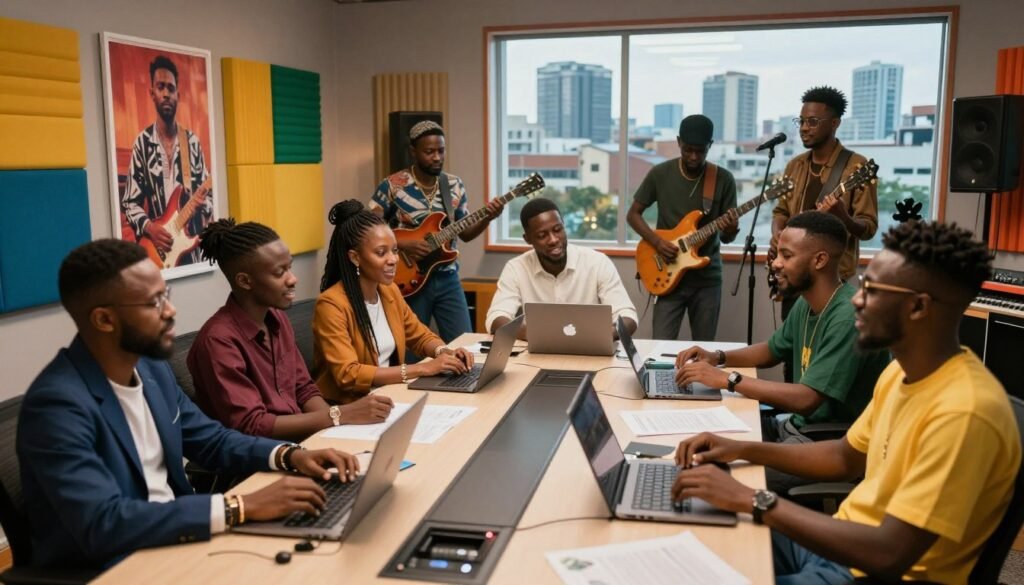
Independent Labels vs. Major Record Deals
Choosing between an independent path and a major record deal is a pivotal moment for many performers. Major labels offer significant resources, including global distribution networks and massive marketing budgets that can propel a song to international fame. However, these benefits often come at the cost of creative control and a larger share of future earnings.
Conversely, maintaining independence allows artists to retain full ownership of their masters and creative direction. While this route requires more self-funding and personal management, it empowers the artist to build a brand that is truly authentic. Many rising stars in the nigerian music industry now prefer a hybrid model, where they partner with labels for specific services while keeping their core independence intact.
The Importance of Intellectual Property and Royalties
Beyond the initial hype of a hit song, the long-term wealth of a musician is tied to their intellectual property. Understanding how to register songs and collect royalties is crucial for ensuring fair compensation for creative work. Without proper documentation, artists risk losing out on significant income generated from streaming, radio play, and public performances.
Artists must prioritize learning the basics of copyright law to protect their legacy. Securing your rights early prevents future disputes and ensures that your hard work continues to pay off for years to come. By treating their music as a business asset, creators can achieve the financial stability needed to sustain a lifelong career in the competitive nigerian music industry.
Challenges Faced by Contemporary Nigerian Singers
Many nigerian musicians making waves today face hidden battles that the public rarely sees. While the industry enjoys global acclaim, the individuals behind the microphones often navigate a landscape filled with intense personal and professional hurdles.
Understanding these obstacles is essential for a complete picture of the modern music scene. It highlights the resilience required to sustain a career in such a competitive environment.
Navigating Industry Pressure and Mental Health
The digital age demands constant engagement, which creates immense pressure for rising nigerian artists. The need to stay relevant on social media platforms can lead to burnout and significant anxiety.
Many performers feel they must constantly produce viral content to maintain their fan base. This relentless cycle often leaves little room for personal rest or mental recovery, impacting the long-term well-being of talented stars.
The Struggle for Infrastructure and Fair Compensation
Beyond the personal toll, the industry faces structural gaps that hinder growth. Many nigerian musicians making waves struggle with inconsistent royalty payments and a lack of transparent data tracking.
Without robust infrastructure, artists often find it difficult to secure their intellectual property rights. This creates a financial environment where fair compensation is not always guaranteed, even for those with massive hits.
| Challenge Type | Independent Artist | Signed Artist |
|---|---|---|
| Funding | Self-funded | Label-backed |
| Royalties | Direct control | Split with label |
| Infrastructure | Limited access | Industry support |
| Mental Health | High isolation | High pressure |
Addressing these systemic issues is vital for the future of the industry. By improving transparency and infrastructure, the sector can better support rising nigerian artists as they continue to take their sound to the world stage.
The Global Impact of Nigerian Music Talent Showcase
The influence of Nigerian music has transcended borders, turning local stars into global icons. What started as a regional movement has blossomed into a cultural phenomenon that resonates with audiences across every continent.
This shift proves that the african music scene is now a central pillar of the global entertainment industry. Fans from Tokyo to New York are embracing the unique sounds coming out of Lagos.
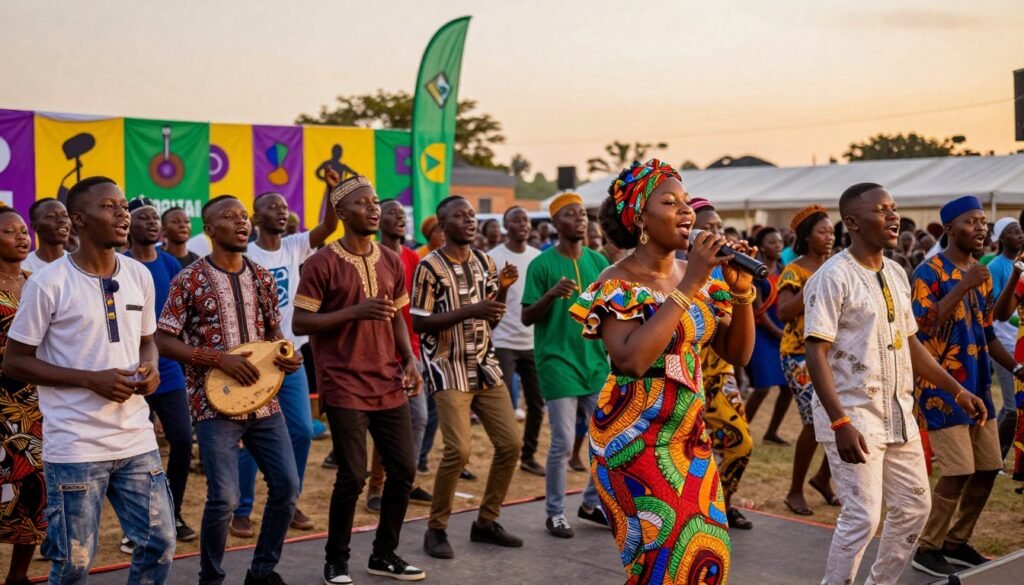
International Tours and Festival Headlining
Today, contemporary nigerian singers are selling out iconic venues that were once reserved for Western pop stars. It is common to see these artists headlining major international festivals like Coachella or Glastonbury.
These performances do more than just entertain; they solidify the status of Nigerian talent on the world stage. By commanding these massive crowds, artists prove that their music has universal appeal and staying power.
The Influence of Nigerian Fashion and Slang
Beyond the melodies, the nigerian music talent showcase has exported a vibrant lifestyle to the rest of the world. Global audiences are increasingly adopting Nigerian fashion trends, characterized by bold colors and intricate patterns.
Furthermore, Nigerian slang has permeated international pop culture, appearing in social media captions and casual conversations worldwide. This cultural exchange highlights the deep connection between the music and the identity of the nation.
| Cultural Element | Global Impact | Primary Driver |
|---|---|---|
| Music Rhythm | High | Streaming Platforms |
| Fashion Trends | Medium | Music Videos |
| Local Slang | High | Social Media |
| Dance Styles | High | Viral Challenges |
Conclusion
The rise of this new generation of singers marks a transformative period for the entire African music industry. By leveraging digital tools and fostering cross-border partnerships, these artists have secured a permanent place on the global stage.
Every nigerian music talent showcase highlights the immense creativity driving this shift. These performers blend traditional rhythms with modern production to capture the hearts of listeners across the globe.
The business side of the industry continues to evolve alongside these creative breakthroughs. Artists now navigate complex royalty structures and independent distribution models with greater confidence than ever before.
A successful nigerian music talent showcase serves as a reminder of the cultural power held by these stars. Their influence extends beyond the charts into fashion, language, and social trends.
The future remains bright as these talented individuals continue to innovate. We invite you to keep supporting these voices as they redefine what it means to be a global icon. Share your favorite tracks and join the conversation about the next big sound coming out of Lagos.