
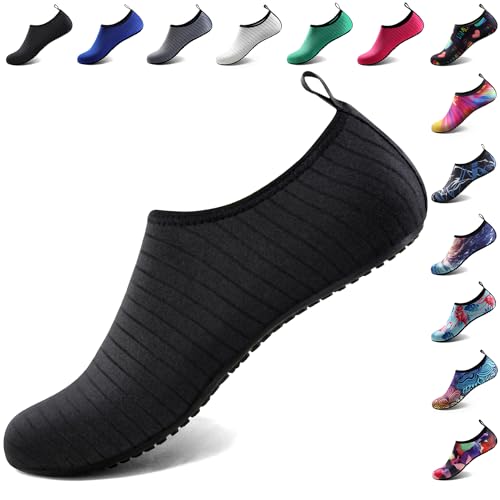


Water Shoes for Women Men: Product Overview
Introducing Water Shoes for Women Men, the ultimate footwear solution for aquatic adventures. Designed for individuals seeking comfort and functionality, these water shoes are perfect for various water-based activities, including swimming, kayaking, and beach outings. Their lightweight, breathable construction helps keep your feet cool and dry, making them ideal for casual users and outdoor enthusiasts alike.
Table of Contents
For pool decks and changing areas, Water Shoes for Women Men provide a lightweight option that can help you move comfortably between wet and dry surfaces. Check the non-slip sole before use, and remain cautious where flooring is especially slippery.
Key Features
- Lightweight Design: The water shoes are made with a focus on mobility, allowing for easy movement without weighing you down.
- Breathable Material: Crafted from breathable fabric, these shoes promote airflow to keep your feet comfortable and dry, even during extended wear.
- Quick-Drying: Ideal for water activities, the quick-drying feature ensures that your shoes won’t remain soggy after use, enhancing your experience.
- Non-Slip Sole: The shoes come with a durable, non-slip sole designed to provide traction on wet surfaces, ensuring safety while you walk or run.
Technical Specifications
- Available Sizes: Various sizes to accommodate different foot dimensions.
- Color Options: Multiple color choices to suit personal style.
Benefits & Use Cases
These water shoes are perfect for a range of activities, including beach days, poolside lounging, and water sports. Their lightweight and flexible nature provides a comfortable fit, making them suitable for extended wear during all your water adventures. Whether you’re tackling rocky shores or sandy beaches, these shoes enhance your experience while ensuring your safety.
After beach or water use, rinse Water Shoes for Women Men to remove sand and grit. Let them dry properly before storing them so trapped debris does not cause discomfort or rub against the fabric.
Important Notes
It’s essential to ensure you select the right size for the best fit. Regular cleaning and proper care will maintain the quality of the shoes, prolonging their lifespan. Note that while the non-slip sole offers excellent grip, caution is advised on extremely slippery surfaces.
When selecting Water Shoes for Women Men, compare both foot measurements with the seller’s size guide and use the larger measurement. A secure fit should allow toe movement without letting the heel slide.

How to Choose the Right Pair
Consider the surface and activity before ordering. A flexible pair may suit swimming, paddleboarding, and walking across soft sand, while firmer construction can feel more reassuring on uneven paths. If you expect to move between water and pavement, look for a sole that balances drainage, traction, and walking comfort.
For kayaking, canoeing, or boating, Water Shoes for Women Men should stay securely attached during entry, exit, and movement. Test any toggle, strap, or other closure before starting the activity.
Fit and Sizing Checks
- Measure both feet and use the larger measurement when comparing it with the seller’s size guide.
- Allow enough room for your toes to spread without letting your heel slide inside the shoe.
- Check the fit while standing, since feet can lengthen and widen slightly under pressure.
- If the shoes have an adjustable toggle or strap, tighten it securely but avoid restricting circulation.
Activity-Based Considerations
Beach and Shore Use
For beaches, prioritize a close-fitting upper and a sole that helps separate your feet from hot sand, small stones, and shells. Shake or rinse the shoes after leaving the shore because trapped grit can cause discomfort and wear against the fabric. Shoes with drainage openings may release water more easily, but they will not prevent every sharp object from reaching the foot.
Choose Water Shoes for Women Men according to the surface and activity. Flexible construction may suit swimming or soft sand, while a firmer sole can feel more reassuring on uneven paths.
Boating and Paddle Sports
When kayaking, canoeing, or using a boat, secure footwear matters because loose shoes can shift during entry and exit. Choose a pair that stays attached during movement and has enough flexibility for footrests or changing positions. Test the closure before launching, and avoid relying on water shoes as a substitute for any safety equipment required for the activity.
When traveling with Water Shoes for Women Men, consider their quick-drying, breathable construction and lightweight design. These features make them practical for packing and for use across beach, poolside, and water activities.
Pool and Travel Use
For pool decks, changing areas, and hotel surroundings, a lightweight pair can reduce the need to walk barefoot. However, traction depends on the condition of the sole and the surface itself. Oils, algae, soap, smooth tiles, and standing water may reduce grip, so walk carefully even when the tread appears substantial.
Care and Maintenance
- Rinse the shoes with clean water after use, especially after exposure to sand, saltwater, or chlorinated water.
- Gently remove dirt with a soft brush or cloth rather than using abrasive tools.
- Open the closures and remove the insoles if they are designed to come out.
- Press out excess water with a towel and place the shoes in a ventilated area.
- Let them dry naturally away from intense direct heat, which may affect adhesives, foam, or synthetic materials.
Do not store the shoes while they are damp. Moisture left in a closed bag can create unpleasant odors and may encourage material deterioration. Before each outing, inspect the sole, stitching, upper, and closure. Replace the pair if the tread is badly worn, the sole begins separating, or the fastening system no longer holds the shoe securely.
Practical Limitations
Water shoes are designed to improve comfort and protection around water, but they are not automatically suitable for every terrain. Thin, highly flexible models may offer less cushioning on long walks or rough ground. Conversely, a more structured model may feel less natural when swimming. They may also hold some water briefly after exiting, depending on the lining and drainage design.
For longer excursions, pack a dry pair of socks and a breathable bag for transport. Avoid leaving wet footwear sealed in luggage or inside a vehicle for extended periods. Comparing the closure, sole pattern, drainage, and intended use will help you select footwear that matches the conditions rather than choosing by appearance alone.


