




Large Carry On Travel Backpack Product Overview
The Large Carry On Travel Backpack Guide 202 is your go-to resource for mastering the essentials of travel with a large carry-on backpack. Ideal for both men and women, this comprehensive guide provides detailed instructions for selecting the right backpack that meets airline regulations, ensuring a hassle-free travel experience. Its focus on practicality and functionality makes it perfect for business trips, weekend getaways, or college use.
Table of Contents
Key Features
- Flight Approved Size: This backpack is designed to comply with airline carry-on regulations, allowing you to travel more freely without the stress of checked luggage.
- Waterproof Material: Crafted from high-quality waterproof materials, this backpack protects your belongings from unexpected rain and spills, ensuring everything stays dry and secure.
- Anti-Theft Design: Equipped with anti-theft features, including secure zippers and hidden pockets, this backpack keeps your valuables safe during your travels.
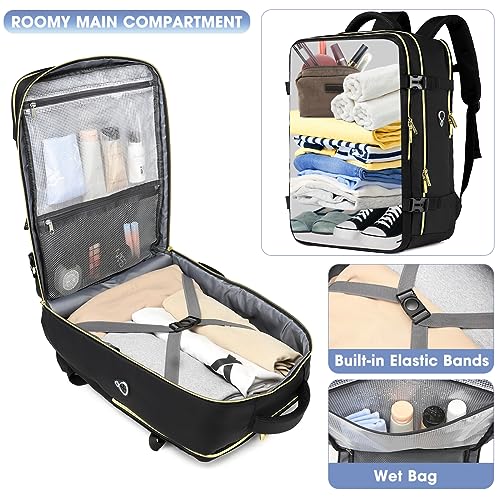
- Spacious Interior: With ample room to fit a 17-inch laptop and additional compartments for organization, this backpack is ideal for business professionals and students alike.
- Versatile Usage: Whether you need it for daily commuting or weekend adventures, its sleek design and practical features make it suitable for various occasions.
Technical Specifications
- Type: Large Carry On Travel Backpack
- Size: Flight approved for carry-on luggage
- Waterproof: Yes
- Anti-Theft Features: Yes
- Laptop Compatibility: Fits up to 17-inch laptops
Benefits & Use Cases
The Large Carry On Travel Backpack Guide 202 is perfect for travelers who value convenience and security. Its compact yet spacious design is tailored for those who frequently travel for business, allowing easy access to essential items such as laptops and documents. The guide also benefits college students, providing them with a stylish and functional backpack that perfectly accommodates their daily needs.
Important Notes
While the backpack is waterproof, it is recommended to avoid submerging it in water to maintain its durability. Additionally, ensure all straps and zippers are securely fastened to maximize functionality and safety during your travels.
Before leaving, confirm the Large Carry On Travel Backpack meets your airline’s carry-on requirements and keep essential travel documents in an easily accessible pocket.

How to Pack the Backpack Efficiently
Thoughtful packing helps preserve space, protect electronics, and keep important items within reach. Place heavier belongings close to the back panel so the load feels more balanced while walking. Softer clothing can fill gaps between structured items, while shoes should be placed in a separate bag to prevent contact with clean garments.
Suggested Packing Order
- Put documents, chargers, and other small essentials in an exterior or top-access pocket.
- Position a laptop in its padded compartment before adding other heavy items.
- Roll shirts, trousers, and casual clothing to reduce unused space.
- Use small pouches for cables, toiletries, medication, and personal accessories.
- Leave a little room for items collected during the trip rather than filling every compartment.
Comfort and Fit Considerations
A large travel backpack can become uncomfortable when it is overloaded or adjusted poorly. Set the shoulder straps so the bag sits close to the upper back without restricting movement. The bottom should not hang excessively below the waist, and both straps should be adjusted evenly. A sternum strap, when included, can help stabilize the load during longer walks.
Before traveling, test the packed bag at home by walking up stairs or carrying it for several minutes. This makes it easier to identify pressure points, loose straps, or items that shift inside. If the backpack feels awkward, remove nonessential belongings and reorganize the weight before departure.
Protect a laptop in the padded compartment of the Large Carry On Travel Backpack, then secure chargers and cables in a small pouch to prevent them from shifting.
Airport and Transit Preparation
Airline carry-on requirements can differ by carrier, route, and fare type, so the stated carry-on suitability should not be treated as a guarantee for every flight. Check the current size and weight limits for the airline before packing. A backpack that fits one carrier’s allowance may need to be compressed or carried differently under another carrier’s policy.
- Measure the packed backpack, including exterior pockets and protruding straps.
- Keep identification, travel documents, and required medication in an accessible location.
- Secure loose straps so they do not catch on seats, conveyors, or other luggage.
- Place liquids in containers and packaging that meet the applicable security requirements.
- Keep electronics easy to remove if screening staff request separate inspection.
Organization for Different Trips
Business Travel
For a short business trip, reserve the main compartment for a change of clothing and use the front sections for a notebook, presentation materials, chargers, and work accessories. Keeping professional items separated from clothing reduces unpacking time and helps prevent creasing caused by unnecessary handling.
College and Daily Use
Students can use separate sections for a laptop, books, stationery, lunch, and personal items. Avoid placing heavy textbooks against a device unless the laptop sleeve is fully padded and the contents are arranged securely. Regularly remove unused papers and packaging to prevent the daily load from increasing.
For rainy conditions, close all zippers on the Large Carry On Travel Backpack and remember that its waterproof material is not intended for submersion.
Weekend Travel
For a casual getaway, pack versatile clothing that can be worn in more than one combination. A lightweight layer, compact footwear, and a small toiletry kit often provide more practical value than several bulky items. Keep frequently used accessories near the top so the entire bag does not need to be emptied during stops.
Care and Maintenance
Empty the backpack regularly and inspect the seams, zippers, buckles, and shoulder-strap attachment points. Surface dirt can usually be removed with a soft cloth and mild soapy water, but care instructions for the specific material should take priority. Allow the bag to dry completely before storing it, especially after exposure to rain or a spill.
Do not overload the compartments or force zippers around bulky objects. Excessive strain may damage stitching and reduce the effectiveness of protective features. Store the backpack in a cool, dry place with the zippers closed and the fabric free from trapped moisture.
Adjust both shoulder straps evenly and use the sternum strap on the Large Carry On Travel Backpack, when available, to help stabilize the load during longer walks.


