
House Viewing Checklist For Expat Renters (2026 Checklist & Complete Requirements)
Renting a house abroad as an expatriate can be a daunting task, but a comprehensive checklist can simplify the process. Our House Viewing Checklist For Expat Renters is designed to help you navigate this complex task efficiently. Whether you’re moving to London, Toronto, or Berlin, understanding what to look for during a house viewing is crucial for securing the right rental property.
Table of Contents
- Key Takeaways
- House Viewing Checklist For Expat Renters: Essential Steps
- Understanding Renting Overseas
- Additional Considerations for Expats
- Evaluating Safety and Security
- Assessing the Lease Agreement
- Comparing Furnished vs. Unfurnished Rentals
- Understanding Local Rental Market Trends
- Preparing for Cultural Differences
- Making the Final Decision
- Understanding Local Rental Regulations
- Evaluating Transportation Options
- Exploring Local Amenities and Services
- Planning for Utility Setup and Management
- Adapting to Climate and Weather Conditions
- Establishing a Support Network
- Negotiating Rent and Lease Terms
- Understanding the Impact of Currency Fluctuations
- Importance of Building a Good Landlord Relationship
- Utilizing Technology for House Hunting
- Handling Cultural and Language Barriers
- FAQ Section
- Final Thoughts
Key Takeaways
- Prepare a detailed checklist before your house viewing to ensure all important aspects are covered.
- Understand local tenancy laws to protect your rights as a renter.
- Be aware of common rental scams to avoid financial loss.
- Consider short-term furnished apartments if you’re a new immigrant.
- Familiarize yourself with utility bills and extra costs like council tax.
House Viewing Checklist For Expat Renters: Essential Steps
Having a structured checklist is vital to ensure no detail is overlooked during your house viewing. Here are the key elements to include:
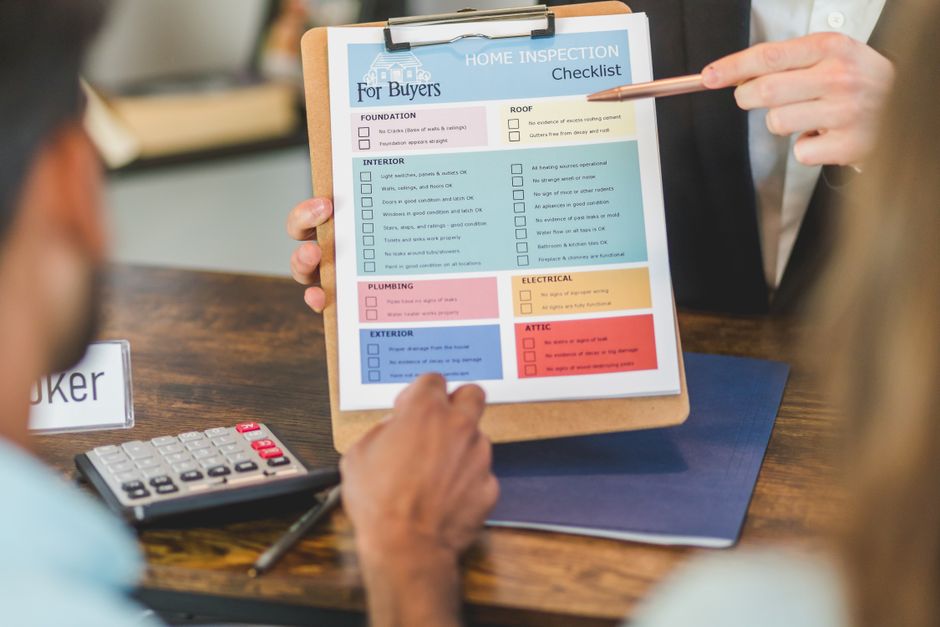
Use the House Viewing Checklist For Expat Renters to record the property’s address, viewing date, landlord or agent details, and any follow-up questions.
Exterior and Location Considerations
- Check the condition of the building’s exterior for maintenance issues.
- Evaluate the neighborhood for amenities, safety, and convenience.
- Consider the proximity to public transportation and essential services.
Interior Inspection
- Inspect walls, ceilings, and floors for signs of damage or dampness.
- Test all appliances and fixtures to ensure they are functional.
- Check for adequate water pressure and heating systems.
- Assess the overall cleanliness and maintenance of the property.
Legal and Financial Considerations
- Request a copy of the tenancy agreement and understand the terms.
- Clarify the rental price and any additional costs, such as utility bills or council tax.
- Ensure you understand your rights as a tenant, especially if you’re unfamiliar with local laws.
Understanding Renting Overseas
Renting in London Without a UK Guarantor
For expats looking to rent an apartment in London without a UK guarantor, it’s essential to explore alternatives such as paying several months’ rent upfront or using a guarantor service. Learn more about How To Rent Apartment In London Without Uk Guarantor.
Finding Rental Housing in Toronto for New Immigrants
New immigrants in Toronto may face challenges in securing housing without a rental history. Consider options like Short Term Furnished Apartments For New Immigrants, which can be both a flexible and practical solution.
Before attending, review the House Viewing Checklist For Expat Renters and identify the features most important for your transport, work, services, and daily routine.
How to Avoid Rental Scams Abroad
Awareness is key to avoiding scams. Verify the legitimacy of listings and landlords, and never transfer money without seeing the property in person. For detailed guidance, read How To Avoid Rental Scams In Foreign Countries.
Additional Considerations for Expats
Understanding Council Tax and Utility Bills in the UK
Council tax is a mandatory charge in the UK that covers local services. Ensure you understand how it is calculated and what your responsibilities are as a tenant. Similarly, comprehend the typical utility bills you will need to manage, such as gas, electricity, and water.
During the House Viewing Checklist For Expat Renters inspection, look closely for dampness, stains, peeling paint, cracks, or other visible damage on walls and ceilings.
Tenant Rights and Tenancy Agreements in Canada
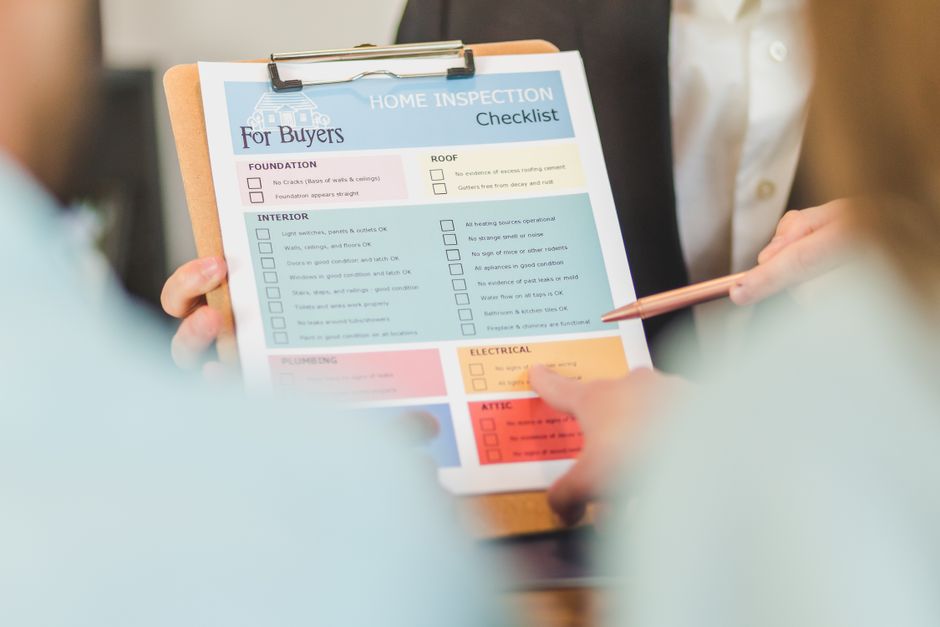
Familiarize yourself with Tenant Rights And Tenancy Agreements In Canada to ensure your legal rights are protected. Review agreements thoroughly before signing to understand all obligations and rights.
Bring the House Viewing Checklist For Expat Renters with space to record the property address, viewing date, landlord or agent details, and follow-up questions.
Schufa Credit Report for Renting in Germany
In Germany, a Schufa credit report is often required by landlords to assess your creditworthiness. Ensure you have a good credit score or consider options to improve it if needed.
Include floor condition in the House Viewing Checklist For Expat Renters by checking for damage, uneven surfaces, and signs of poor maintenance.
Evaluating Safety and Security
When renting a house abroad, safety and security should be a top priority. During your house viewing, consider these important aspects:
- Security Features: Look for features such as secure locks on doors and windows, a working alarm system, and any surveillance cameras in place.
- Neighborhood Safety: Research crime rates in the area and talk to locals or neighbors to gauge the neighborhood’s safety.
- Emergency Exits: Ensure there are clear and accessible emergency exits in case of a fire or other emergencies.
Assessing the Lease Agreement
Understanding the lease agreement is crucial for expat renters. Here are some key points to consider:
Test taps, showers, toilets, and sinks while using the House Viewing Checklist For Expat Renters to assess water pressure and basic functionality.
- Duration and Terms: Confirm the lease length and any renewal terms. Check for penalties associated with breaking the lease early.
- Subletting Policies: Determine if subletting is allowed, particularly if you anticipate needing flexibility in your living arrangements.
- Maintenance Responsibilities: Clarify who is responsible for property maintenance and repairs.
Comparing Furnished vs. Unfurnished Rentals
Deciding between furnished and unfurnished rentals depends on your circumstances and preferences:
- Furnished Rentals: These are ideal for expats who plan to stay short-term or want to avoid the hassle of buying furniture. However, they may come with higher rent.
- Unfurnished Rentals: Suitable for long-term stays, allowing you to personalize the space. Consider the initial cost of furnishing the property yourself.
Understanding Local Rental Market Trends
Gaining insights into the local rental market can help you make informed decisions:
Check heating systems and available appliances with the House Viewing Checklist For Expat Renters, and ask which items are included with the rental.
- Rental Price Trends: Research current rental prices in your desired area to ensure the rent is competitive.
- Supply and Demand: High demand can lead to increased prices and competition. Timing your search during off-peak seasons may yield better deals.
- Upcoming Developments: Be aware of any planned developments that could affect the neighborhood’s desirability or rental prices.
Preparing for Cultural Differences
Living abroad means adapting to new cultural norms, which can impact your renting experience:
- Communication Style: Understand local communication styles to effectively interact with landlords and neighbors.
- Customs and Etiquette: Familiarize yourself with cultural customs, such as the appropriate time to contact a landlord or how to handle disputes.
- Housing Norms: Be aware of housing norms, such as pet policies or expectations regarding noise levels.
Making the Final Decision
Once you’ve completed your house viewings and gathered all necessary information, it’s time to make a decision:
Use the House Viewing Checklist For Expat Renters to inspect walls, ceilings, and floors for damage or dampness, including stains or other visible warning signs.
Use the House Viewing Checklist For Expat Renters to inspect the building exterior and note maintenance problems that could affect the property.
- Pros and Cons List: Create a list of pros and cons for each property to objectively evaluate your options.
- Consult with Others: Discuss your choices with family or friends who may offer valuable perspectives.
- Trust Your Instincts: Ultimately, trust your instincts about which property feels like the right fit for you.
Understanding Local Rental Regulations
Familiarizing yourself with local rental regulations is vital to ensure a smooth renting experience. Each country has its own set of rules regarding tenant rights, security deposits, and eviction processes. Research these aspects thoroughly to avoid any legal pitfalls.
- Security Deposits: Understand how security deposits are handled, including the maximum amount landlords can charge and the conditions for its return.
- Eviction Rules: Learn about the legal grounds for eviction and the notice period required to vacate a property.
- Rent Control: Check if there are rent control laws in place that could affect your rental agreement.
Evaluating Transportation Options
Transportation is a key factor when choosing a rental property, especially for expats who may not have access to a personal vehicle. Consider the following:
Evaluate nearby amenities, safety, public transportation, and essential services as part of the House Viewing Checklist For Expat Renters.
- Public Transport Accessibility: Determine the proximity of the property to public transport hubs such as bus stops, train stations, or metro lines.
- Commute Times: Calculate the commute time to your workplace or frequently visited locations to ensure convenience.
- Alternative Transport: Look into other transport options like bike-sharing programs or car rentals that may be available in the area.
Exploring Local Amenities and Services
Having access to essential amenities and services can significantly impact your living experience abroad. During your house viewing, take note of the following:
- Shopping and Groceries: Check the availability of supermarkets, local markets, and shopping centers.
- Healthcare Facilities: Identify nearby hospitals, clinics, and pharmacies for ease of access during emergencies.
- Recreational Facilities: Explore parks, gyms, and recreational centers that can enhance your lifestyle.
Planning for Utility Setup and Management
Understanding how utilities work in your new country is crucial for budget planning and comfort. Here’s what to consider:
Ask for the tenancy agreement before committing, then use the House Viewing Checklist For Expat Renters to note important terms and responsibilities.
- Utility Providers: Research local utility providers for services like electricity, water, gas, and internet. Compare prices and service quality.
- Billing Cycles: Familiarize yourself with the billing cycles and payment methods to avoid late fees.
- Energy Efficiency: Inquire about the property’s energy efficiency, such as insulation and energy-saving appliances, to manage costs effectively.
Adapting to Climate and Weather Conditions
Adapting to a new climate can be a challenging aspect of relocating. Consider how the local weather may influence your housing needs:
- Heating and Cooling Systems: Ensure the property has adequate heating or cooling systems to maintain comfort throughout the year.
- Weatherproofing: Check for proper weatherproofing measures like insulated windows and doors to handle extreme weather conditions.
- Seasonal Changes: Be aware of seasonal changes and how they might affect daily life, such as transportation and outdoor activities.
Establishing a Support Network
Building a support network in a new country can ease the transition and provide assistance when needed. Consider these strategies:
Record rent, utility bills, council tax, and other possible charges in the House Viewing Checklist For Expat Renters before comparing properties.
Before choosing a property, compare the House Viewing Checklist For Expat Renters notes with the tenancy agreement, rental price, utility bills, council tax, and other stated costs.
- Community Groups: Join local expat or community groups to connect with others who have similar experiences.
- Language Classes: Enroll in language classes to improve communication and integrate better into the local culture.
- Professional Networks: Engage with professional networks to expand career opportunities and meet new contacts.
Negotiating Rent and Lease Terms
Negotiating rent and lease terms can lead to a more favorable rental agreement. Here are some tips:
- Market Research: Conduct research on local rental prices to understand what is reasonable and competitive.
- Flexible Terms: Negotiate for flexible lease terms, such as the option to extend or shorten the lease period if necessary.
- Incentives: Ask for incentives like reduced rent for signing a longer lease or including utilities in the rental price.

Understanding the Impact of Currency Fluctuations
As an expat renter, currency fluctuations can significantly impact your rental budget. It’s essential to be aware of how exchange rates can affect your monthly expenses and overall financial planning.
Apply the House Viewing Checklist For Expat Renters scam check by verifying the listing and landlord and refusing to transfer money before viewing the property in person.
- Exchange Rate Variability: Monitor the exchange rates between your home currency and the currency of your new country. A sudden change can increase your rental costs unexpectedly.
- Payment Methods: Consider using international bank accounts or services that offer favorable exchange rates and low transaction fees to manage rent payments efficiently.
- Budget Buffer: Maintain a buffer in your budget to accommodate potential currency fluctuations, ensuring you can cover your rent without financial stress.
Importance of Building a Good Landlord Relationship
Establishing a positive relationship with your landlord can enhance your renting experience and provide additional benefits.
- Open Communication: Maintain clear and respectful communication with your landlord. This can lead to quicker resolutions of issues and potential flexibility in lease terms.
- Regular Maintenance: Promptly report any maintenance issues to demonstrate your responsibility as a tenant, which can foster goodwill.
- Negotiation Leverage: A good relationship may give you leverage in negotiating rent increases or lease renewals.
Utilizing Technology for House Hunting
Technology can be a valuable tool in your house-hunting process as an expat renter. Leverage online resources to streamline your search and decision-making.
If local rental requirements are unfamiliar, use the House Viewing Checklist For Expat Renters to confirm tenant rights and documents such as a UK guarantor alternative or a German Schufa report.
- Virtual Tours: Use virtual tours to view properties remotely, saving time and allowing you to evaluate multiple options before visiting in person.
- Rental Apps: Explore rental apps that provide real-time updates on available properties and allow you to filter searches based on your criteria.
- Online Reviews: Read reviews from other renters to gain insights into the property and landlord, helping you make informed decisions.
Handling Cultural and Language Barriers
Adapting to a new culture and language can pose challenges during your rental journey. Here are some strategies to overcome these barriers:
- Language Tools: Utilize translation apps and language learning platforms to improve your communication skills with landlords and neighbors.
- Cultural Sensitivity: Educate yourself on local customs and cultural norms to avoid misunderstandings and build positive relationships.
- Local Assistance: Consider hiring a local real estate agent who understands the language and culture to assist with negotiations and paperwork.
FAQ Section
What should I look for during a house viewing abroad?
Check the property’s condition, location, and amenities. Verify the functionality of appliances and systems. Review legal documents and understand additional costs.
How can I rent an apartment without a guarantor?
You might be able to pay rent in advance or use a guarantor service. Research local policies and alternative solutions in your target location.
What are some red flags for rental scams?
Be cautious of listings with too-good-to-be-true prices, landlords who rush payment before a viewing, and requests for personal information upfront.
Keep the House Viewing Checklist For Expat Renters available when reviewing alternatives such as short-term furnished apartments, especially if you are a new immigrant without a rental history.
Final Thoughts
Planning is crucial when renting a home overseas. Use our House Viewing Checklist For Expat Renters to ensure you’re fully prepared and informed. By following these steps and understanding the local rental market, you can secure a home that meets your needs while avoiding common pitfalls.
Related keywords: rent apartment london without uk guarantor, find rental housing toronto new immigrants.