
Crypto Tax Laws For Expats And Digital Nomads in 2026: Complete Practical Guide – Midevibezng
Understanding crypto tax laws is essential for expats and digital nomads who manage their finances across borders. In 2026, staying informed about these regulations can help you avoid financial pitfalls and ensure compliance. This guide delves into the practical aspects of crypto taxes, offering insights into how to navigate this complex landscape effectively.
Table of Contents
- Key Takeaways
- Understanding Crypto Tax Laws For Expats And Digital Nomads
- Expat Banking & International Money Transfers
- Strategizing for Tax Efficiency
- Choosing the Right Cryptocurrency Exchange
- Understanding Taxable Events in Cryptocurrency
- Tax Reporting Requirements
- Comparing Taxation Across Countries
- Leveraging Tax Treaties for Crypto Transactions
- Practical Steps for Tax Optimization
- Evaluating Cryptocurrency Tax Software
- Recognizing Common Tax Mistakes
- Exploring Offshore Trusts for Crypto Assets
- Practical Considerations for Crypto Investments
- Case Study: Navigating Crypto Taxes as a Digital Nomad
- Frequently Asked Questions
- Conclusion
Key Takeaways
- Know your residency status to determine your tax obligations.
- Utilize tax treaties to minimize double taxation.
- Consider professional advice for complex tax scenarios.
- Use reliable remittance apps to manage international transactions.
- Explore multi-currency accounts for efficient global banking.
Understanding Crypto Tax Laws For Expats And Digital Nomads
Crypto tax laws for expats and digital nomads vary significantly by country, making it crucial to understand your host country’s policies. Generally, any profit from crypto transactions is taxable. However, how these profits are categorized and taxed differs globally. Some jurisdictions consider crypto as property, while others see it as currency, impacting how taxes are applied.
Crypto Tax Laws For Expats And Digital Nomads require checking whether your host country treats cryptocurrency as property or currency before reporting transactions.
Tax Residency and Its Impact
Your tax residency status greatly influences your tax obligations. For expats, determining residency involves assessing where you live and work most of the year. Countries like the UK and Canada have specific residency criteria that could affect your crypto tax liabilities.
Avoiding Double Taxation
Expats often face double taxation unless protected by tax treaties. These agreements between countries can prevent you from being taxed twice on the same income. Familiarize yourself with any avoiding double taxation agreement international income to optimize your tax situation.
Before filing, Crypto Tax Laws For Expats And Digital Nomads make identifying your tax residency a practical first step, especially when living and working across countries.
Expat Banking & International Money Transfers
Opening a UK Bank Account Without Proof of Address
Opening a bank account in the UK without proof of address can be challenging, but not impossible. Some banks offer digital accounts that require alternative identification. Consider online banks or financial services like Wise and Revolut, which cater to global customers.
Best Multi-Currency Account: Wise vs. Revolut
Wise and Revolut offer competitive multi-currency accounts ideal for expats. Both platforms support low-cost currency conversions and global transfers, making them favorites among international travelers. Compare their fees and features to choose the best fit for your needs.
Keep records of crypto profits and transactions because Crypto Tax Laws For Expats And Digital Nomads may categorize taxable activity differently depending on the jurisdiction.
Transferring Large Funds Overseas with Low Fees
Transferring large sums abroad can incur hefty fees if not done wisely. Opt for services that offer competitive exchange rates and low transfer fees. Platforms like TransferWise (now Wise) are renowned for their transparent pricing and efficiency in international transactions.
Building Credit Score Fast as a New Immigrant in Canada
New immigrants to Canada can build a credit score quickly by opening a Canadian credit card or secured credit card. It’s also beneficial to pay bills on time and ensure you don’t exceed credit limits. Consider financial products specially designed for newcomers.
Tax treaties can help address double taxation, so Crypto Tax Laws For Expats And Digital Nomads should be reviewed alongside the relevant international income agreement.
Opening a Canadian Bank Account Before Arrival
Opening a bank account in Canada before your arrival can streamline your financial integration. Several Canadian banks offer accounts that can be set up online, providing ease of access once you land.
The Role of Remittance Apps
Sending money back home is a common need for expats. Choosing the right remittance apps to send money back home is crucial to ensure cost efficiency and reliability. Apps like WorldRemit and Remitly offer competitive rates and robust security.
Expats managing Crypto Tax Laws For Expats And Digital Nomads may benefit from professional advice when residency, treaties, and crypto activity overlap.
Strategizing for Tax Efficiency
Managing Crypto Assets
Strategically managing your crypto assets can minimize your tax liabilities. Use accounting methods like First In, First Out (FIFO) to calculate gains and stay compliant with local laws. Consider consulting a tax advisor familiar with crypto regulations.
Utilizing Offshore Banking
Offshore banking presents advantages for expats looking to protect assets and optimize taxes. Understanding offshore banking benefits and legal regulations can provide additional financial flexibility for managing global income.
When handling Crypto Tax Laws For Expats And Digital Nomads, separate personal transaction records by country to make obligations easier to review.
Protecting Against Tax Changes
Keep abreast of any legislative changes in your host country and origin country. Regularly review your financial strategies to adapt to new tax laws, ensuring compliance and financial efficiency.
Choosing the Right Cryptocurrency Exchange
For expats and digital nomads, selecting a cryptocurrency exchange that aligns with your financial needs and tax obligations is crucial. Consider factors such as security features, supported currencies, fee structures, and the exchange’s compliance with international regulations. Exchanges like Binance and Coinbase are popular for their global reach and robust security protocols.
Digital banking services may support international finances, but Crypto Tax Laws For Expats And Digital Nomads still depend on residency and local reporting requirements.
- Security: Ensure the exchange has strong security measures, such as two-factor authentication and cold storage of assets.
- Fees: Compare transaction fees, deposit and withdrawal fees, and currency conversion rates to find a cost-effective option.
- Regulations: Verify that the exchange complies with the regulations of your host country to avoid legal issues.
Understanding Taxable Events in Cryptocurrency
Taxable events in cryptocurrency transactions can vary, but generally include the following:
- Selling Cryptocurrency for Fiat: Converting crypto to a traditional currency like USD or EUR is a taxable event.
- Trading One Cryptocurrency for Another: Even if you don’t cash out to fiat, trading one crypto for another can trigger tax obligations.
- Using Cryptocurrency for Purchases: Paying for goods or services with crypto is considered a taxable event as it involves the disposal of your digital assets.
Understanding these events helps expats and digital nomads plan their transactions to minimize tax liabilities.
Comparing Wise and Revolut can help with currency management while addressing Crypto Tax Laws For Expats And Digital Nomads across multiple locations.
Tax Reporting Requirements
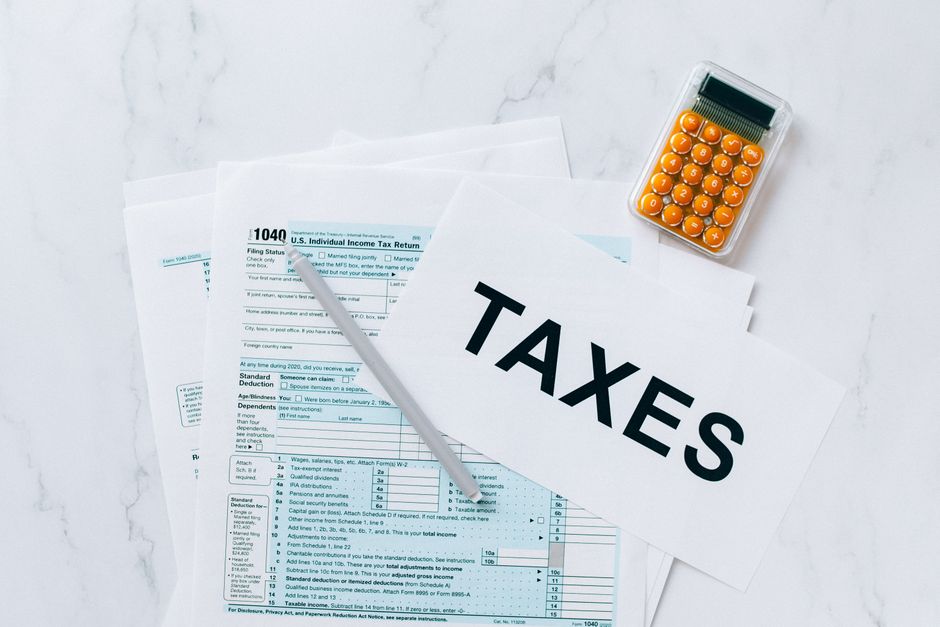
Reporting cryptocurrency transactions accurately is essential to remain compliant with tax laws. Here are steps to ensure proper reporting:
- Maintain Detailed Records: Keep comprehensive records of all transactions, including dates, amounts, and counterparties.
- Use Tax Software: Consider using cryptocurrency tax software that integrates with exchanges to streamline the reporting process.
- Consult a Tax Professional: Engage a tax advisor familiar with crypto taxation in your host country to ensure all obligations are met.
Comparing Taxation Across Countries
Crypto tax laws differ significantly worldwide. Here are examples of how different countries approach crypto taxation:
For large overseas transfers, consider exchange rates and transfer fees because Crypto Tax Laws For Expats And Digital Nomads do not eliminate ordinary banking costs.
- United States: The IRS treats cryptocurrency as property, leading to capital gains tax on profits from sales or exchanges.
- Germany: Crypto held for over a year can be tax-free, but short-term trades incur income tax.
- Singapore: There is no capital gains tax on cryptocurrency, making it an attractive location for crypto investors.
Understanding these differences can help expats and digital nomads optimize their tax strategies based on their country of residence.
Leveraging Tax Treaties for Crypto Transactions
Tax treaties can be a valuable tool for expats dealing with crypto transactions. They help determine which country has the right to tax specific income types, potentially reducing your overall tax burden. To leverage tax treaties effectively:
Reliable remittance apps can simplify transfers to family while Crypto Tax Laws For Expats And Digital Nomads remain a separate compliance consideration.
- Identify Applicable Treaties: Research treaties between your home country and host country that cover digital assets.
- Understand the Provisions: Familiarize yourself with the treaty provisions related to capital gains and income from crypto.
- Seek Professional Guidance: Consult with a tax advisor to ensure you’re correctly applying treaty benefits to your situation.
Practical Steps for Tax Optimization
To optimize your tax situation as an expat or digital nomad dealing with cryptocurrency, consider the following practical steps:
- Timing of Transactions: Plan the timing of your trades to align with favorable tax conditions, such as holding periods for capital gains tax exemptions.
- Tax-Loss Harvesting: Use losses from crypto trades to offset gains, reducing your taxable income.
- Regularly Review Tax Laws: Stay updated with changes in crypto tax regulations in both your home and host countries to adjust your strategies accordingly.
Evaluating Cryptocurrency Tax Software
As the complexity of crypto transactions increases, utilizing specialized tax software can streamline the reporting process for expats and digital nomads. Here are key features to consider when choosing a crypto tax software:
New immigrants should distinguish credit-building actions, such as using a secured card and paying bills on time, from Crypto Tax Laws For Expats And Digital Nomads.
- Integration with Exchanges: Ensure the software supports integration with major exchanges and wallets to automatically import transactions.
- Multi-Currency Support: Choose software that can handle multiple currencies, crucial for those dealing with diverse portfolios.
- Tax Compliance: Verify that the software is updated with the latest tax laws in your host country to ensure compliance.
- User-Friendly Interface: A simple, intuitive interface can save time and reduce errors when managing complex transactions.
Recognizing Common Tax Mistakes
Expats and digital nomads often make mistakes that can lead to penalties. Being aware of these can help you avoid them:
- Ignoring Small Transactions: All transactions, regardless of size, should be documented as they can cumulatively impact your tax liability.
- Overlooking Foreign Tax Credits: Failing to claim foreign tax credits can result in higher taxes than necessary.
- Misclassifying Income: Properly categorizing income is crucial; for example, staking rewards might be treated differently than capital gains.
- Missing Deadlines: Late filings can incur penalties. Mark tax deadlines on your calendar to ensure timely submissions.
Exploring Offshore Trusts for Crypto Assets
Offshore trusts can be a strategic tool for managing crypto assets while optimizing tax liabilities. Here’s how they work:
Opening a Canadian or UK account may improve access to local banking, but Crypto Tax Laws For Expats And Digital Nomads still require attention to tax residency.
- Asset Protection: Offshore trusts can protect assets from creditors and legal claims, providing financial security.
- Tax Efficiency: Depending on the jurisdiction, offshore trusts may offer favorable tax treatment for crypto gains.
- Privacy: These trusts can offer a higher degree of privacy, shielding your financial activities from public scrutiny.
- Compliance: Ensure that the establishment and management of offshore trusts comply with both local and international laws to avoid legal issues.
Practical Considerations for Crypto Investments
When investing in cryptocurrency as an expat or digital nomad, consider these practical aspects:
- Volatility Management: Diversify your portfolio to manage the inherent volatility of cryptocurrencies.
- Liquidity Needs: Ensure sufficient liquidity to cover living expenses, especially in volatile markets.
- Regulatory Changes: Stay informed about regulatory changes that could impact your investments or tax obligations.
- Exit Strategies: Plan exit strategies to liquidate assets efficiently when needed, considering tax implications.
Case Study: Navigating Crypto Taxes as a Digital Nomad
Consider the example of Alex, a digital nomad working across Europe and Asia. By utilizing tax treaties between countries, Alex minimized double taxation on his crypto earnings. He used a multi-currency account to manage his income efficiently and consulted with a tax advisor to ensure compliance with local laws. This strategy helped Alex optimize his tax situation while maintaining financial flexibility.
Frequently Asked Questions
How can I minimize crypto taxes as an expat?
Minimizing crypto taxes involves strategic planning, including understanding tax treaties, using tax-efficient accounts, and consulting with tax professionals familiar with expat situations.
Can I open an overseas bank account before moving?
Yes, many banks offer services that allow you to set up accounts online before you physically move. This is particularly helpful in countries like Canada and the UK.
What is the impact of tax treaties on expats?
Tax treaties can significantly reduce tax burdens by preventing double taxation. They define which country has the right to tax specific types of income, offering potential savings for expats.
Conclusion
Crypto tax laws for expats and digital nomads in 2026 require meticulous planning and awareness of international tax norms. By leveraging banking solutions, understanding tax treaties, and focusing on efficient money transfers, you can optimize your financial management while living abroad.
Related keywords: open uk bank account without proof address, best multi currency account wise revolut, how to transfer large funds overseas low fee.