
Expat Tax Filing Requirements Us Citizens Abroad (2026 Checklist & Complete Requirements)
The expat tax filing requirements for US citizens abroad can seem overwhelming, but with the right checklist and understanding of key requirements, it’s manageable. As a US citizen living abroad in 2026, you still have tax obligations to the United States, including filing an annual tax return if your income exceeds certain thresholds. Here’s a detailed guide to help you navigate these requirements effectively.
Table of Contents
- Understanding Expat Tax Filing Requirements Us Citizens Abroad Obligations
- Expat Banking & International Money Transfers
- Avoiding Double Taxation
- Building Credit as a New Immigrant in Canada
- Key Takeaways
- Understanding the Foreign Earned Income Exclusion (FEIE)
- Leveraging the Foreign Tax Credit
- Understanding Tax Treaties and Their Impact
- Practical Tips for Managing Expat Finances
- Common Mistakes to Avoid When Filing Expat Taxes
- Planning for Future Tax Years
- Understanding the Bona Fide Residence and Physical Presence Tests
- Strategies for Minimizing US Tax Liability
- Navigating Foreign Bank Account Reporting
- Choosing the Right Tax Professional
- Planning for Retirement as an Expat
- Understanding the Impact of Foreign Housing Exclusion
- Utilizing the Foreign Housing Deduction
- Understanding State Tax Obligations
- Exploring the Benefits of Tax Treaties
- Frequently Asked Questions
Understanding Expat Tax Filing Requirements Us Citizens Abroad Obligations
US citizens must report their global income to the IRS, regardless of where they reside. This means that if you live abroad, you are still required to file US taxes if your income meets the minimum threshold. The Foreign Earned Income Exclusion (FEIE) and the Foreign Tax Credit can help you avoid double taxation by reducing the US tax burden on income earned overseas.
Who Needs to File?
The requirement to file a US tax return applies if your income is above the threshold for your filing status. These thresholds can change, so it’s essential to verify current figures from the IRS for 2026.
Expat Tax Filing Requirements Us Citizens Abroad include reporting worldwide income to the IRS, even when you live and work in another country.
Key Forms for Expat Taxes
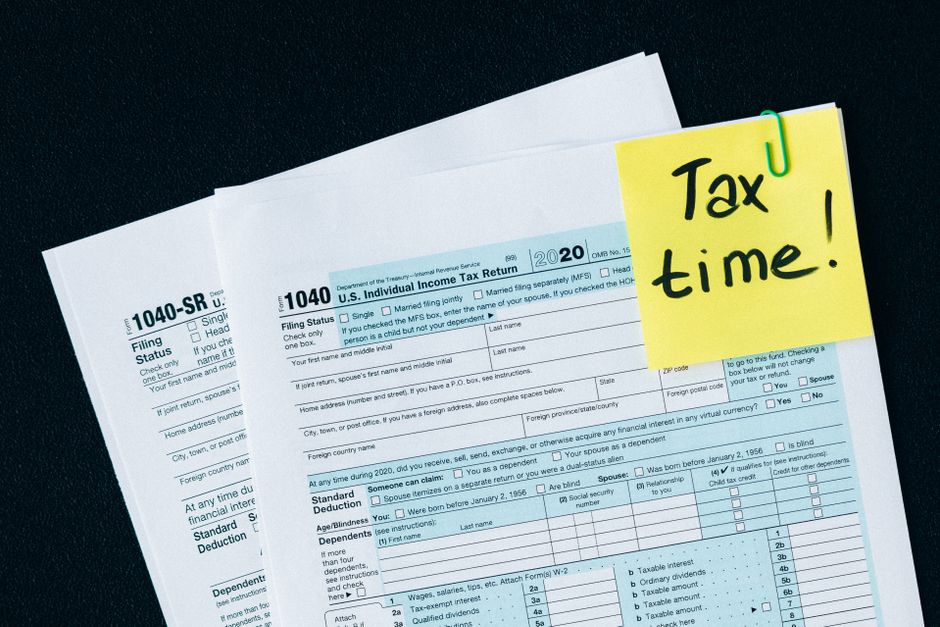
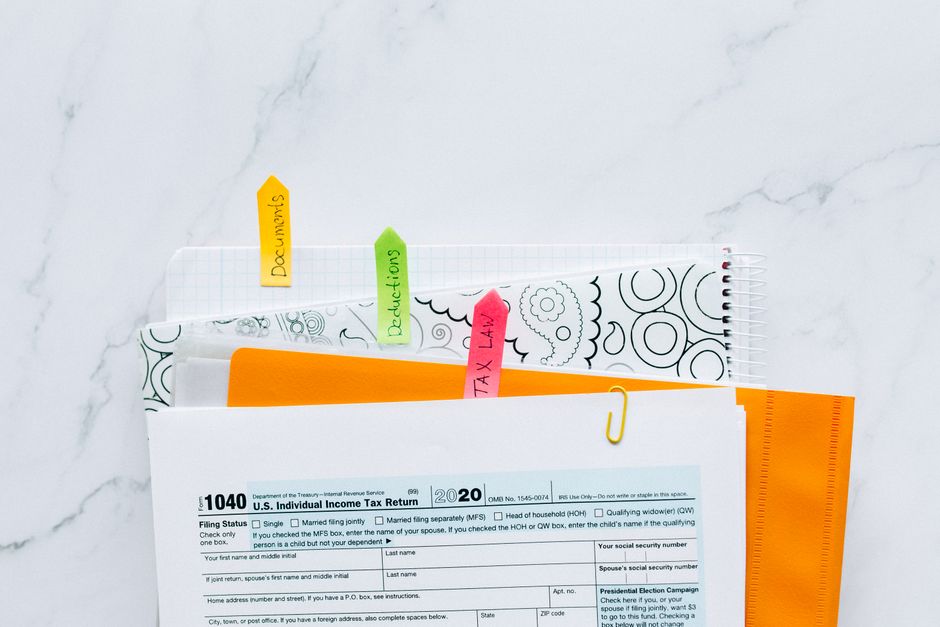
- Form 1040: The standard US individual tax return.
- Form 2555: To claim the Foreign Earned Income Exclusion.
- Form 1116: To claim the Foreign Tax Credit.
- FinCEN Form 114 (FBAR): Required if you have foreign bank accounts exceeding $10,000.
Expat Banking & International Money Transfers
Managing finances is crucial for expats. Opening international bank accounts, transferring funds, and building credit are key considerations.
How To Open a UK Bank Account Without Proof of Address
Opening a UK bank account without proof of address can be tricky. Some banks offer accounts tailored for expats, which may require fewer documents. Research and compare options to find the best fit for your needs.
Best Multi Currency Accounts: Wise vs. Revolut
For managing multiple currencies, both Wise and Revolut offer competitive services. Wise is known for its transparency and low fees, while Revolut provides a feature-rich app with various financial tools. Comparing their fee structures and services will help you choose the best multi-currency account for your needs.
Review the current IRS income threshold for your filing status to determine whether Expat Tax Filing Requirements Us Citizens Abroad include submitting an annual US tax return.
Check the IRS income threshold for your filing status before deciding whether Expat Tax Filing Requirements Us Citizens Abroad require an annual tax return.
How To Transfer Large Funds Internationally Low Fee
Transferring large sums overseas can incur significant fees. To reduce costs, explore options like Wise or Revolut, which offer lower transfer fees and competitive exchange rates compared to traditional banks. Learn more about How To Transfer Large Funds Internationally Low Fee.
Avoiding Double Taxation
The US has tax treaties with many countries to prevent double taxation. These treaties and the Foreign Tax Credit can substantially reduce your US tax liability. It’s crucial to understand the specific terms of these treaties, as they vary by country.
Building Credit as a New Immigrant in Canada
Establishing a credit history in a new country can be a challenge. To build your credit score quickly, consider opening a local bank account, applying for a secured credit card, and ensuring all bills are paid on time. For more detailed steps, see our guide on Building Credit Score Fast As New Immigrant In Canada.
Use Form 1040 when completing the basic federal return under Expat Tax Filing Requirements Us Citizens Abroad.
Key Takeaways
- Expat tax filing is mandatory for US citizens with income above the threshold.
- Utilize the FEIE and Foreign Tax Credit to minimize tax liability.
- Explore international banking options for better financial management.
- Understand tax treaties to avoid double taxation.
- Start building your credit history as soon as you relocate.
Understanding the Foreign Earned Income Exclusion (FEIE)
The Foreign Earned Income Exclusion (FEIE) allows US citizens living abroad to exclude a certain amount of their foreign earnings from US taxation. To qualify, you must meet either the Bona Fide Residence Test or the Physical Presence Test. The Bona Fide Residence Test requires you to have a residence in a foreign country for an uninterrupted period that includes a full tax year. The Physical Presence Test requires you to be physically present in a foreign country for at least 330 full days during a 12-month period.
Steps to Claim FEIE
- Determine eligibility by assessing your residency status and travel days.
- Complete Form 2555 and attach it to your Form 1040.
- Ensure all foreign income is accurately reported.
- Keep detailed travel records and documentation of foreign residency.
Leveraging the Foreign Tax Credit
The Foreign Tax Credit (FTC) can be claimed on taxes paid to a foreign government to avoid double taxation. This credit is particularly useful when the foreign tax rate is higher than the US tax rate on the same income.
Report income earned from all countries on your US return, because Expat Tax Filing Requirements Us Citizens Abroad apply to worldwide income rather than only income earned in the United States.
How to Apply for the Foreign Tax Credit
- Use Form 1116 to calculate and claim the credit.
- Gather documentation of taxes paid to foreign governments.
- Ensure that the foreign taxes are not eligible for a refund in the foreign country.
- Consult with a tax professional if your situation involves complex tax treaties.
Understanding Tax Treaties and Their Impact
Tax treaties between the US and other countries can significantly affect your tax obligations. These treaties often provide relief from double taxation and may offer preferential tax treatment for certain types of income, such as pensions or dividends.
Form 2555 may help eligible taxpayers claim the Foreign Earned Income Exclusion under Expat Tax Filing Requirements Us Citizens Abroad.
Researching Tax Treaties
- Visit the IRS website for a list of countries with existing tax treaties.
- Review the specific provisions relevant to your income type.
- Consult with a tax advisor to understand how the treaty impacts your filing.
Practical Tips for Managing Expat Finances
Effective financial management is crucial for US citizens living abroad. Here are some practical tips to help you manage your finances while complying with US tax laws:
Choosing the Right Banking Solutions
- Consider opening a multi-currency account to manage different currencies efficiently.
- Research international banks that offer services tailored to expats.
- Use online platforms like Wise or Revolut for cost-effective money transfers.
Maintaining a Detailed Financial Record
- Keep copies of all foreign bank statements and tax documents.
- Maintain records of all income, expenses, and tax payments.
- Regularly update your financial records to ensure accuracy during tax filing.
Common Mistakes to Avoid When Filing Expat Taxes
Filing taxes as a US citizen abroad can be complex, and mistakes can lead to penalties or additional scrutiny from the IRS. Here are some common pitfalls to avoid:
- Failing to file an FBAR for foreign accounts exceeding $10,000.
- Overlooking the need to report foreign income even if no tax is owed.
- Incorrectly calculating the Foreign Earned Income Exclusion or Foreign Tax Credit.
- Not staying updated on changes in tax laws and treaties.
Planning for Future Tax Years
Proactive planning can help minimize tax liabilities and ensure compliance. Consider the following strategies:
Form 1116 is the relevant form for claiming the Foreign Tax Credit when following Expat Tax Filing Requirements Us Citizens Abroad.
- Stay informed about changes in tax laws affecting expats.
- Regularly review and adjust your financial strategies to align with your long-term goals.
- Engage with a tax professional specializing in expat taxes to optimize your tax situation.
Understanding the Bona Fide Residence and Physical Presence Tests
Qualifying for the Foreign Earned Income Exclusion (FEIE) requires meeting either the Bona Fide Residence Test or the Physical Presence Test. Understanding these tests is crucial for expats seeking to minimize their US tax liability.
Use Form 1040 as the main individual tax return when meeting Expat Tax Filing Requirements Us Citizens Abroad and attach any additional forms that apply.
Bona Fide Residence Test
The Bona Fide Residence Test is ideal for those who have established a permanent residence in a foreign country. To qualify, you must:
- Reside in a foreign country for an uninterrupted period that includes an entire tax year.
- Demonstrate that you are a bona fide resident of a foreign country, such as having a home, family, or business.
It’s important to note that temporary visits to the US or other countries do not disqualify you, provided you maintain your foreign residence.
Review foreign account balances because Expat Tax Filing Requirements Us Citizens Abroad may include filing FinCEN Form 114 when reportable accounts exceed $10,000.
Physical Presence Test
The Physical Presence Test is more flexible for those who travel frequently. To qualify, you must:
- Be physically present in a foreign country for at least 330 full days during any 12-month period.
- Track travel days meticulously to ensure compliance with the 330-day requirement.
This test does not require you to establish a residence in a foreign country, making it suitable for digital nomads and frequent travelers.
Strategies for Minimizing US Tax Liability
In addition to the FEIE and Foreign Tax Credit, consider other strategies to reduce your US tax liability while living abroad.
Keep records of overseas income and accounts to make Expat Tax Filing Requirements Us Citizens Abroad easier to complete accurately.
Consider Form 2555 when claiming the Foreign Earned Income Exclusion under Expat Tax Filing Requirements Us Citizens Abroad for qualifying foreign-earned income.
Utilizing Tax-Advantaged Accounts
Consider contributing to tax-advantaged accounts, such as IRAs or 401(k)s, to defer taxes on income. This strategy can be particularly beneficial if you plan to return to the US or if your foreign tax rate is lower than the US rate.
Claiming Deductions and Credits
Explore available deductions and credits, such as the Child Tax Credit and education-related deductions. These can further reduce your taxable income and overall tax burden.
Navigating Foreign Bank Account Reporting
Compliance with foreign bank account reporting is vital for US expats. The IRS requires disclosure of foreign accounts through the FBAR and FATCA regulations.
Compare the Foreign Earned Income Exclusion with the Foreign Tax Credit when planning for Expat Tax Filing Requirements Us Citizens Abroad.
FBAR Compliance
If you have foreign bank accounts exceeding $10,000 at any point during the year, you must file FinCEN Form 114, commonly known as the FBAR. Ensure timely filing to avoid significant penalties.
FATCA Requirements
Under the Foreign Account Tax Compliance Act (FATCA), you may need to file Form 8938 if your foreign financial assets exceed certain thresholds. Consult the IRS guidelines to determine if you meet these criteria.
Choosing the Right Tax Professional
Given the complexities of expat tax filing, engaging with a knowledgeable tax professional can be invaluable.
Review whether Form 1116 can support a Foreign Tax Credit claim when following Expat Tax Filing Requirements Us Citizens Abroad and paying eligible foreign taxes.
Check whether a tax treaty applies to your country because Expat Tax Filing Requirements Us Citizens Abroad can be affected by treaty provisions.
What to Look for in a Tax Professional
- Experience in expat tax laws and regulations.
- Familiarity with the tax laws of your host country.
- Proven track record of helping expats minimize tax liabilities.
Consider seeking recommendations from fellow expats or expat forums to find a reliable tax advisor.
Planning for Retirement as an Expat
Retirement planning is a critical aspect of financial management for US citizens living abroad. Here are key considerations:
Understanding Social Security Benefits
As a US citizen, you may still be eligible for Social Security benefits even if you retire abroad. Check the Social Security Administration’s guidelines for receiving benefits in your host country.
Confirm current filing thresholds for 2026, since Expat Tax Filing Requirements Us Citizens Abroad depend partly on figures that may change.
Evaluating Pension Plans and International Agreements
Some countries have agreements with the US that can affect your pension benefits. Investigate how these agreements might impact your retirement income and tax obligations.
Understanding the Impact of Foreign Housing Exclusion
The Foreign Housing Exclusion can provide additional tax relief for US citizens living abroad. This exclusion allows you to deduct certain housing expenses from your taxable income, which can be particularly beneficial in high-cost areas.
Check foreign account balances against the $10,000 FBAR threshold when handling Expat Tax Filing Requirements Us Citizens Abroad, and file FinCEN Form 114 when required.
Qualifying for the Foreign Housing Exclusion
- To qualify, you must meet the eligibility criteria for the Foreign Earned Income Exclusion.
- Eligible expenses include rent, utilities, and other housing-related costs, excluding any lavish or extravagant expenses.
Keep detailed records of your housing expenses and consult IRS guidelines to ensure compliance.
Separate tax planning from banking decisions, while addressing Expat Tax Filing Requirements Us Citizens Abroad alongside international account and transfer needs.
Utilizing the Foreign Housing Deduction
If you are self-employed, you may qualify for the Foreign Housing Deduction instead of the exclusion. This deduction operates similarly but directly reduces your self-employment income, potentially lowering your overall tax liability.
Steps to Claim the Foreign Housing Deduction
- Calculate your qualified housing expenses using Form 2555.
- Ensure your expenses do not exceed the IRS’s specified limits for your location.
- Attach the completed form to your tax return to claim the deduction.
Understanding State Tax Obligations
While federal tax obligations are clear, state tax requirements for expats can be more complicated. Some states require you to continue filing state taxes even when living abroad, depending on your domicile status.
Determining State Residency
- Evaluate your ties to the state, such as property ownership, voting registration, and driver’s license.
- Consider changing your domicile if you plan to live abroad indefinitely to avoid state tax obligations.
Consult with a tax professional familiar with both federal and state tax laws to ensure compliance.
Review every required form before submitting your return so Expat Tax Filing Requirements Us Citizens Abroad are addressed without overlooking applicable reporting obligations.
Exploring the Benefits of Tax Treaties
Tax treaties between the US and other countries can offer additional benefits beyond preventing double taxation. These treaties may provide preferential tax treatment for certain types of income, such as pensions, interest, and royalties.
Examine the tax treaty between the United States and your country of residence because Expat Tax Filing Requirements Us Citizens Abroad may be affected by treaty provisions and foreign tax relief.
Maximizing Treaty Benefits
- Identify specific provisions in the treaty that apply to your income sources.
- Use IRS Form 8833 to disclose treaty-based positions on your tax return if applicable.
- Regularly review treaty updates that could impact your tax strategy.
Leveraging tax treaties effectively can significantly reduce your tax burden and enhance your financial planning while living abroad.
Frequently Asked Questions
Do I need to file US taxes if I live abroad?
Yes, US citizens must file taxes if they meet the income threshold. The IRS requires reporting of all global income.
How can I avoid double taxation as an expat?
Use the Foreign Earned Income Exclusion and Foreign Tax Credit, and check for tax treaties between the US and your residing country.
What are the best banks for expats?
Wise and Revolut offer excellent multi-currency accounts for expats, providing low fees and ease of use. Choose based on your specific financial needs.
Related keywords: open uk bank account without proof address, best multi currency account wise revolut, how to transfer large funds overseas low fee.