
Planning a budget trip is more than just finding cheap flights. Many people overlook the costs of getting around, local transport, and daily living. These can add up quickly.
To find the best European countries to visit from the UK on a budget, consider the total trip cost. A cheap flight to an expensive city might not be the best deal. Sometimes, a slightly pricier ticket to a place where your money goes further is better.
We’ve looked at places like Portugal, Spain, Poland, Hungary, Czechia, Croatia, and Bulgaria. These top european countries for uk travellers on a budget offer great value. They don’t skimp on culture or scenery.
By comparing accommodation and local spending, you can keep your holiday affordable. Let’s see how to make the most of your travel budget while having a great time abroad.
Key Takeaways
- Always calculate the total cost, including transfers and daily meals, rather than just the flight price.
- Eastern destinations like Poland and Bulgaria often provide better value for money than Western alternatives.
- Researching local transport options can significantly reduce your overall holiday expenditure.
- Booking accommodation slightly outside major city centres often leads to substantial savings.
- Prioritising destinations with lower costs of living allows for a more relaxed and enjoyable experience.
Set a Realistic Budget for Your European Trip
Creating a realistic budget is key to enjoying low-cost European vacations without stress. Planning your finances early lets you enjoy your trip more. You won’t have to worry about money while you’re away.
Decide how much you can spend on transport, accommodation and activities
First, decide how much you can spend on your trip. Then, split it into three main areas: getting there, staying there, and having fun.
- Transport: Include flights, trains, or ferry crossings from the UK.
- Accommodation: Check the average nightly rates for hostels or budget hotels in your city.
- Activities: Look up the entry fees for museums, tours, or attractions you must see.
Separate fixed costs from daily spending money
It’s smart to separate money you spend before you leave from the cash you need while away. Fixed costs are things like flights and accommodation booked in advance. This shows how much money you have left for daily expenses.
Your daily money should cover food, local transport, and any spontaneous treats. Keeping these separate helps you avoid using your flight money for something like a fancy dinner.
Allow for travel insurance, airport transfers and unexpected costs
Even with careful planning, low-cost European vacations can still have surprises. Always save a little extra for unexpected expenses.
Remember to include these important items in your budget:
- Travel Insurance: It’s essential for your peace of mind.
- Airport Transfers: Plan for trains or buses from the airport to your accommodation.
- Emergency Buffer: Keep some cash or credit for unexpected costs like pharmacy visits or last-minute transport changes.
How to Choose the Best European Countries to Visit from the UK on a Budget
Choosing the best European countries to visit from the UK on a budget needs careful planning. It’s not just about finding cheap flights. You should consider the whole cost of your trip to keep it affordable.
Step 1: Compare total journey costs rather than headline fares
Check flights, ferries, trains, buses and luggage charges together
Many people book cheap flights but forget about extra costs. Always add up the cost of all parts of your journey. This way, you’ll know the real price of your trip.
- Check the cost of getting from the airport to your final destination.
- Factor in the price of checked luggage versus carry-on restrictions.
- Compare the total price of a flight against a ferry or coach journey, which might include luggage in the base fare.
“The bitterness of poor quality remains long after the sweetness of a low price is forgotten.”
Step 2: Match the destination to your travel style
Prioritise cities, beaches, countryside or cultural attractions
Choosing a place that fits your interests can save money. If you love cities, look for places with free tours and cheap transport. Beach lovers might prefer self-catering to avoid high restaurant costs.
Finding the top european countries for uk travellers on a budget means matching your interests with local prices. A countryside stay might be cheaper than a city, letting you enjoy your trip longer for the same money.
Step 3: Check seasonal prices before booking
Compare peak summer, shoulder-season and winter costs
Traveling during the shoulder season—spring or autumn—can be a great deal. The weather is nice, and prices are lower.
Summer is the busiest time, making flights and hotels expensive. Winter, with its festive markets and events, can be much cheaper. It’s a chance to see a country in a new way without spending a lot.
Find the Cheapest Transport from the UK
Finding the right transport from the UK can save you money. Choosing the right airport and travel mode opens up affordable travel destinations in Europe. This way, you can enjoy your trip without spending too much.
Compare direct flights from London, Manchester, Birmingham, Bristol and Edinburgh
Flight prices change a lot based on where you fly from and when. London has many budget airlines, but airports like Manchester, Birmingham, Bristol, and Edinburgh also have good deals.
Always check if you need to pay extra for your bags. Comparing total costs across airports can lead to big savings. Remember to include the cost of getting to the airport too.
Use ferry routes to reach France, Belgium, the Netherlands and Spain
Ferries are a calm way to travel, especially if you have a car or want more space. Prices are often steady, unlike flights.
Consider Dover to Calais, Portsmouth to Bilbao and Hull to Rotterdam
The Dover to Calais route is great for France, with lots of trips and low prices. For Spain, try Portsmouth to Bilbao. Hull to Rotterdam is best for the Netherlands and beyond.
Combine trains and coaches for economical European travel options
Using different transport types can save money. You might take a coach to a big station and then a train to your destination.
Compare Eurostar, FlixBus, National Express and local rail fares
The Eurostar is fast, but book early for the best prices. For cheaper travel, use FlixBus or National Express for long trips. Then, take local trains once you’re on the continent.
| Transport Mode | Best For | Cost Level | Speed |
|---|---|---|---|
| Budget Airlines | Quick city breaks | Low (if booked early) | Fast |
| Coach Services | Long-distance value | Very Low | Slow |
| Ferry Routes | Car travel/Comfort | Medium | Moderate |
| International Rail | City centre access | Medium/High | Fast |
Book Affordable Accommodation Without Sacrificing Location
Finding the perfect place to stay is key for value-for-money European trips. You don’t need to spend a lot on luxury hotels for a great holiday. By picking the right lodging, you can save money and still be in the heart of the action.
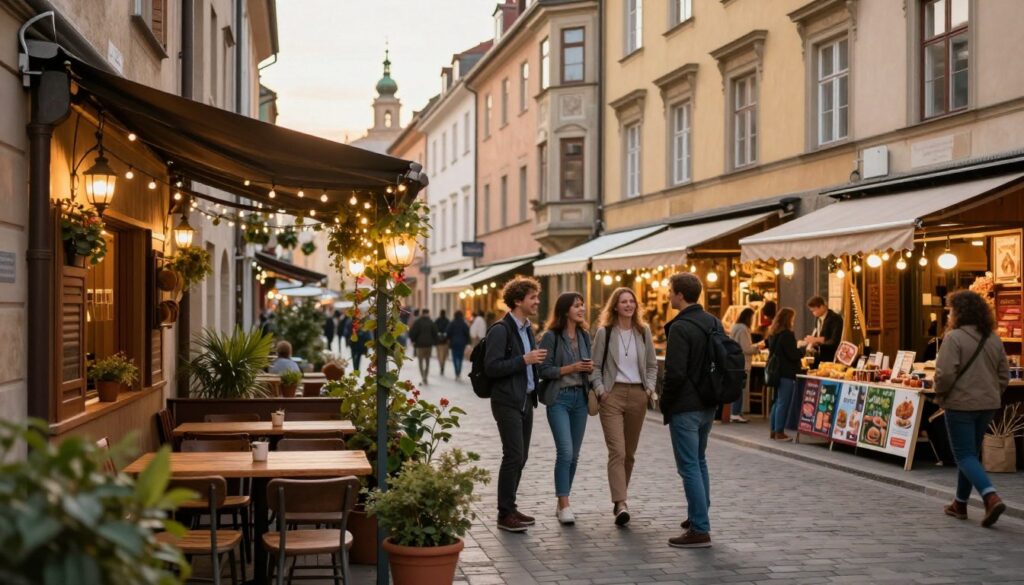
Choose hostels, guesthouses, aparthotels and budget hotels
There are many budget-friendly options for travellers. Hostels, once just for students, now offer private rooms at lower costs than hotels.
- Hostels: Great for social travellers and those on a tight budget.
- Guesthouses: Family-run, offering a real and personal experience.
- Aparthotels: Ideal for longer stays, combining hotel convenience with flat flexibility.
- Budget Hotels: Reliable, offering consistent quality and standard amenities.
Compare the cost of staying centrally with staying near public transport
Booking a room outside the city centre might seem cheaper. But think about the total cost. A cheaper room far from the centre could cost more with daily travel expenses.
Calculate the daily cost of longer commutes and airport transfers
Before booking, check the distance to attractions and transport costs. Always compare the price of daily travel passes or individual tickets to room savings. Long commutes also mean less time to explore.
Save money with kitchens, laundry facilities and free breakfast
Choosing accommodation with kitchens and laundry can save you money. Cooking your own meals cuts down on restaurant bills. Laundry facilities also save on hotel cleaning fees.
Look for places with free breakfast. This saves you from buying coffee and pastries every morning. Smart planning in these areas means more money for experiences and local culture.
Portugal for Low-Cost City Breaks and Affordable Coastal Trips
If you’re looking for low-cost European vacations, Portugal is perfect. It’s one of the most budget-friendly European destinations. Here, you can enjoy historic charm and beautiful coastlines without breaking the bank.
Explore Lisbon on a budget
Use the metro, trams and affordable local cafés to control daily costs
Lisbon is great for those who travel like locals. The city’s steep streets are easy to explore with the metro or yellow trams. These are much cheaper than taxis.
For low costs, try tascas, small family cafés. They offer great daily specials and coffee at low prices, unlike tourist areas.
Choose Porto for value-for-money food, culture and accommodation
Plan low-cost visits to Ribeira, São Bento Station and Vila Nova de Gaia
Porto is a treasure trove of culture and architecture at a good price. Spend hours in Ribeira or admire São Bento Station’s tiles without spending much.
- Cross the bridge to Vila Nova de Gaia for stunning views of the city.
- Try the francesinha sandwich, a local favourite.
- Save on accommodation by staying in guesthouses away from the river.
Visit the Algarve outside the summer peak
Compare Faro, Lagos and Albufeira for transport, beaches and room prices
The Algarve is perfect for a seaside holiday if you visit in the right season. Prices drop and beaches are less crowded in the shoulder season.
When planning, consider these top spots:
- Faro: Great for history and easy airport access.
- Lagos: Known for its beautiful rock formations and lively centre.
- Albufeira: Offers a wide range of accommodation for all budgets.
Comparing these places helps find the best deals for your low-cost European vacations. Always check local buses to avoid pricey transfers.
Spain for Flexible Travel, Free Attractions and Cheap European City Breaks
Spain is a great pick for those looking for affordable travel destinations in Europe. It has a mix of old charm and modern ease, perfect for budget-conscious travellers. Whether you love the beach or city life, Spain offers many ways to have a fun, affordable holiday.
Keep costs low in Valencia
Combine the old town, Turia Gardens and free beach time
Valencia is a top spot for city and outdoor fun. Explore the old town’s history and architecture. The Turia Gardens is a free, green space for walking or cycling.
Don’t miss the beaches, easily reached by public transport. A day by the Mediterranean is free and refreshing. Mixing these activities helps keep your spending low.
Use Madrid’s museums, parks and public transport strategically
Look for free museum periods and affordable menú del día meals
Madrid is lively and easy to get around. Save money by visiting museums during free entry periods. Check official websites for these times.
Try the menú del día for a cheap, full meal. The city’s metro makes it easy to get around without taxis.
Consider Seville, Málaga and Alicante for different budget levels
Compare accommodation prices, seasonal demand and airport connections
For value-for-money European trips, compare Spanish regions. Seville is rich in culture, while Málaga and Alicante offer beaches. Choose based on your travel dates and preferences.
- Seville: Best for history lovers; look for accommodation slightly outside the city centre.
- Málaga: Offers great airport connections and a mix of beach and city culture.
- Alicante: Often provides lower accommodation prices, especially during the shoulder seasons.
| Destination | Best Budget Tip | Primary Appeal |
|---|---|---|
| Valencia | Use the Turia Gardens | Coastal & Urban Mix |
| Madrid | Eat the daily menu | Museums & Culture |
| Alicante | Travel off-peak | Affordable Beaches |
Always check for seasonal demand before booking flights. Traveling off-peak can cut costs. Being flexible with dates helps keep your holiday affordable and enjoyable.
Poland for Some of the Best Budget-Friendly European Destinations
Poland is a top pick for budget-friendly European destinations from the UK. It has a rich history, stunning architecture, and remarkably affordable daily costs. This means your money stretches further.
Choose Kraków for history, walkability and reasonably priced food
Kraków is perfect for those who love walking. You can easily explore the city centre without spending much on transport.
Visit the Old Town, Wawel Castle area and Kazimierz without expensive tours
You don’t need pricey guided tours to see the Old Town’s beauty. Just walking through the Main Market Square and Wawel Castle grounds is free. The Jewish Quarter, Kazimierz, is also a must-see area to explore on foot.
Explore Warsaw’s museums, parks and rebuilt historic centre
Warsaw shows resilience and rebirth. It’s a top budget-friendly spot with world-class museums and parks that won’t break the bank.
Use inexpensive trams and milk bars to stretch your budget
Warsaw’s tram network is cheap and easy to use. For a cheap meal, try a ‘milk bar’ (bar mleczny). These canteens offer hearty Polish dishes at a low price.
Consider Gdańsk for a lower-cost Baltic city break
Gdańsk is great for a coastal trip without the high cost. It’s a unique Baltic city with a maritime charm.
Compare flights to Gdańsk with onward trains to Sopot and Gdynia
Many low-cost airlines fly directly from the UK to Gdańsk. The efficient local train network lets you visit Sopot and Gdynia. This way, you can see more without overspending.
Hungary for Affordable Culture, Thermal Baths and Nightlife
Hungary is a top pick for those looking for a mix of fun and savings. Its capital, Budapest, is known for its beautiful buildings, lively nightlife, and historic thermal baths. These attractions appeal to all kinds of travellers.
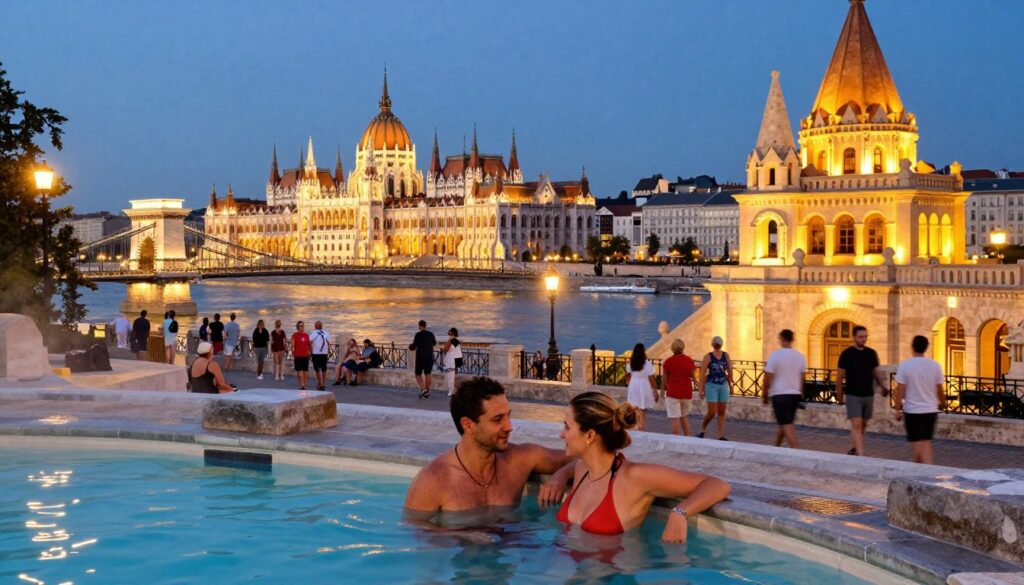
Plan a budget-friendly Budapest itinerary
Exploring Budapest is easy thanks to its layout. You can get around cheaply by using public transport.
Walk between Buda and Pest and use the city’s low-cost public transport
Walking is the best way to see Budapest’s sights. Walking between Buda and Pest lets you enjoy the views without spending money. When you’re tired, the city’s trams and metro are very cheap.
Balance paid attractions with free viewpoints and riverside walks
You don’t have to spend a lot to see the city’s best views. Places like the Fisherman’s Bastion or a walk along the Danube are free.
Compare thermal bath entry fees and visit during less expensive periods
Thermal baths are a must-see, but prices vary. Check websites for cheaper times or weekday deals. Visiting early morning or late evening can save you money compared to weekends.
Save on meals, drinks and accommodation in districts outside the busiest areas
Staying in tourist areas can be pricey. Choosing quieter districts offers better value. You’ll still be close to the city centre.
Use markets, bakeries and local restaurants instead of tourist-focused venues
Eating like a local saves money. Try the Great Market Hall for fresh food or neighbourhood bakeries for breakfast. Avoiding tourist spots helps you find cheaper, authentic meals.
| Activity Type | Budget Option | Estimated Saving |
|---|---|---|
| City Transport | Walking & Public Passes | High |
| Dining | Local Markets & Bakeries | Medium |
| Sightseeing | Free Viewpoints & Walks | High |
| Thermal Baths | Off-peak Weekday Visits | Low |
By following these tips, you can enjoy Hungary’s culture without breaking the bank. It’s one of the most affordable travel destinations in Europe.
Czechia for an Economical Prague Break
Exploring Czechia is a great way to enjoy a cheap European city break. The city’s historic beauty is famous, but you can find economical european travel options with some planning. A bit of research can make your money go further.
Stay near a tram or metro line rather than directly in Prague’s Old Town
Staying in the Old Town can be expensive. Instead, look for places in Vinohrady or Holešovice. These areas are close to the city’s public transport.
Choosing a hotel or apartment near a tram or metro can save you money. It also means you can easily get to the main sights. This can leave more room in your budget for fun experiences.
Explore Prague’s major sights on foot
Prague is easy to walk around, and walking is the best way to experience it. You can save money and find hidden spots in narrow alleys.
Plan routes through Old Town, Charles Bridge, Malá Strana and Letná Park
Plan your sightseeing to make the most of your time. Here’s a budget-friendly day plan:
- Start at the Old Town Square to see the Astronomical Clock.
- Walk across the Charles Bridge early to avoid crowds.
- Explore the streets of Malá Strana.
- End at Letná Park for a free view of the city.
Reduce food and attraction costs with local options
Eating in tourist areas can be expensive. Look for local pubs and bistros a few streets from the main squares. They offer authentic Czech food at lower prices.
Compare lunch menus, public transport passes and combined sightseeing tickets
Small choices can add up to big savings. Here are some tips to keep your spending down:
- Try the denní menu (lunch specials) in local restaurants on weekdays.
- Buy a public transport pass if you’ll be traveling a lot in one day.
- Look for combined sightseeing tickets for museums or sites. They can be cheaper than buying individual tickets.
Croatia for Affordable Coastal Escapes Outside Peak Summer
Exploring Croatia is a great way to find value-for-money European trips. The Adriatic coast is known for luxury, but you can find affordable spots by avoiding the most popular areas.
Compare Split, Zadar, Rijeka and Dubrovnik for overall value
Choosing the right place to stay is key to saving money. Each city offers a unique experience, from historic cities to island hopping bases.
Assess ferry connections, accommodation prices and beach access
Split and Zadar are good for those looking for convenient transport links and lower prices. Dubrovnik is stunning but pricier for food and lodging. Rijeka is a budget-friendly choice for exploring the coast.
| City | Accommodation Cost | Transport Links | Beach Access |
|---|---|---|---|
| Split | Moderate | Excellent | Good |
| Zadar | Low | Good | Excellent |
| Rijeka | Low | Moderate | Limited |
| Dubrovnik | High | Good | Moderate |
Use shoulder-season travel to reduce the cost of the Adriatic coast
Travel in May, June, September, or October to save money. Prices drop, and the weather is still warm for swimming. Plus, you’ll avoid the crowds.
Choose self-catering accommodation and public transport where practical
Stay in apartments with kitchens to save on food. Local buses and trains are cheap and reliable. These habits help you enjoy value-for-money European trips.
Plan economical day trips without relying on expensive private transfers
You don’t need pricey private tours to explore. Use public ferries and buses to visit national parks and islands. Researching ahead lets you have authentic adventures without overspending.
Bulgaria for Low-Cost European Holidays by the Coast or in the City
If you’re searching for top European countries for UK travellers on a budget, Bulgaria is a top pick. It offers a mix of ancient history, lively cities, and beautiful coastlines at lower prices than Western Europe. It’s a great choice for low-cost European vacations that don’t cut corners on quality.
Visit Sofia for inexpensive food, transport and cultural attractions
Sofia, the capital, is perfect for budget travellers. Eating out is very affordable, and the city’s tram and metro system is cheap and easy to use.
Build a low-cost itinerary around Alexander Nevsky Cathedral, Vitosha Boulevard and Vitosha Mountain
Begin at the stunning Alexander Nevsky Cathedral, free to see from outside. Then, stroll down Vitosha Boulevard for a cheap coffee and some people-watching. For nature lovers, Vitosha Mountain offers free views and trails.
“Travel is the only thing you buy that makes you richer, especially when you find destinations that respect your wallet as much as your sense of adventure.”
Choose Varna or Burgas for more affordable seaside breaks
For beach lovers, Varna and Burgas on the Black Sea coast are great. They offer a calm vibe and are cheaper than Mediterranean resorts. Enjoy fresh seafood and local warmth without the high prices.
Compare summer accommodation with spring and early-autumn prices
When planning, timing is key. Visiting in spring or early autumn can lower accommodation costs. The weather is still nice for beach days, but there are fewer people and lower prices.
| Destination | Primary Appeal | Budget Level |
|---|---|---|
| Sofia | Culture & History | Very Low |
| Varna | Coastal Relaxation | Low |
| Burgas | Seaside & Nature | Low |
Check transfer times and total journey costs before booking package deals
Before booking a package, work out the total travel cost, including airport transfers. Sometimes, a more expensive flight to a closer airport can save on transport costs. This way, your trip stays within budget, allowing you to enjoy your low-cost European vacations fully.
Compare Daily Costs Across Affordable Travel Destinations in Europe
To find the best European countries to visit from the UK on a budget, look beyond the ticket price. A cheap flight is just the start. The real cost comes from what you spend when you arrive. Smart planning means balancing travel costs with daily expenses.
Estimate typical daily spending by destination
Compare accommodation, meals, transport, attractions and entertainment
When checking affordable travel destinations in Europe, split your budget into parts. Think about the cost of a mid-range place to stay, local food, and transport passes. Don’t forget museum entry fees and nights out.
“The bitterness of poor quality remains long after the sweetness of low price is forgotten.”
Identify which destinations suit different budgets
Match lower daily costs with flight prices and trip length
Some cities offer great value, but flight costs vary. A longer trip might be better with a city that’s cheaper daily but has a higher flight cost. Prioritising your spending makes for more value-for-money European trips without breaking the bank.
Use a simple destination comparison table before making a booking
A structured comparison helps you see the full picture before booking. The table below shows how different cities compare in key spending areas. It helps you choose your next destination.
| Destination | Daily Budget | Transport Cost | Primary Appeal |
|---|---|---|---|
| Kraków | Low | Moderate | History & Culture |
| Sofia | Very Low | Moderate | Affordable Dining |
| Porto | Moderate | Low | Coastal Scenery |
| Prague | Moderate | Low | Architecture |
Build a Low-Cost Itinerary That Avoids Hidden Expenses
Learning to plan your trip is key for economical European travel options. Organising your days well lets you see many budget-friendly european destinations without surprise costs. A bit of planning keeps your money safe.
Step 4: Group attractions by neighbourhood
Reduce taxi fares, unnecessary transport and wasted sightseeing time
Save money by grouping your visits in one area. Seeing sites close to each other means you can explore on foot. This saves money and lets you enjoy the local vibe.
Step 5: Plan free and paid activities together
Use parks, markets, walking routes and free-entry museum periods
Alternate between free and paid activities to manage your budget. Many places offer free-entry periods for museums or parks. Visiting local markets is also a great way to experience culture without spending much.
Step 6: Leave space for rest and spontaneous discoveries
Avoid overspending caused by rushed bookings and last-minute changes
It’s tempting to fill every hour with activities. But this can lead to exhaustion and costly last-minute decisions. By leaving some space, you avoid expensive, rushed choices. Resting helps you make better decisions and enjoy your trip more.
Save Money on Food, Transport and Activities Once You Arrive
Managing your money well after you arrive is key to enjoying affordable travel destinations in Europe. Your flights and accommodation are usually paid for, but your daily choices affect your spending. Making small changes to your daily habits can help stretch your holiday budget.
Eat like a local without relying on tourist restaurants
Eating in tourist areas can be expensive and not very tasty. Instead, find places where locals eat. You’ll find that real flavours are cheaper than tourist food.
Look for bakeries, markets, lunch specials and neighbourhood cafés
Embracing local food culture can save you a lot of money. Here are some tips to keep your food costs down:
- Visit local markets for fresh food for a picnic.
- Try menu del día or lunch specials for a cheap, full meal.
- Stop by neighbourhood bakeries for a quick, affordable snack.
- Choose cafés away from main landmarks to save money.
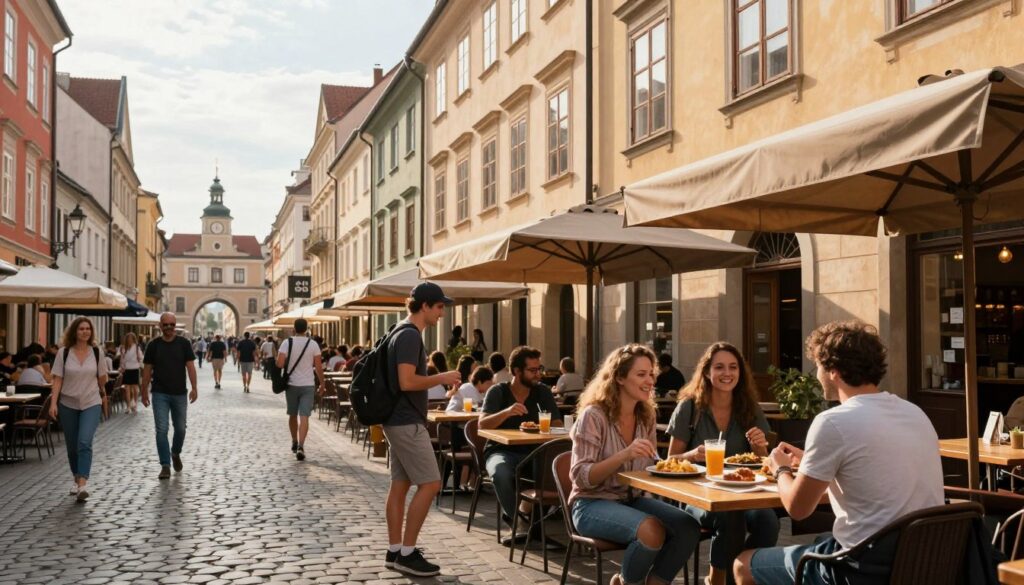
Use public transport passes only when the maths works
Many cities offer travel passes for a day or a week. But these might not always be the best deal. Always compare the cost of individual tickets to the pass price before buying.
If you like walking, you might only need a few single tickets a day. Walking is often the best way to discover hidden gems that you’d miss on public transport.
Book popular attractions early and check legitimate discounts
Booking your sightseeing in advance is crucial for cheap European city breaks. Many museums and galleries offer lower prices for online bookings. This saves you money and avoids long queues.
Look for student, senior, family, city-card and advance-booking prices
Always check the attraction’s website for discounts. Many cities offer special cards that combine transport and entry fees. These can be great if you plan to see lots of sites in a short time. Keep these options in mind:
- Student and senior discounts are common; just remember to carry ID.
- Family tickets offer big savings for groups.
- City cards are cost-effective for visiting several attractions in one day.
- Advance-booking often gets you the best price for tours and exhibitions.
Protect Your Budget with Smart Booking and Travel Safety Checks
Enjoy low-cost European vacations without worry by taking a few safety steps before you leave. Double-check your details to keep your money safe from unexpected fees or mishaps.
Check entry requirements, travel insurance and payment options
Before you go to the airport, make sure you know the latest entry rules for your destination. Check if your passport is valid for your trip and if you need any special travel permits.
Getting comprehensive travel insurance is crucial for any trip. It covers you against medical emergencies, lost luggage, or sudden cancellations that could cost you a lot.
Use cards with low foreign transaction fees when paying for things. Carry both local currency and a reliable travel card for the best budget flexibility.
Understand cancellation terms, baggage rules and resort charges
Hidden costs can be found in the fine print of your bookings. Always check the cancellation policy to see if you can get a refund if your plans change.
Know your airline’s baggage rules to avoid extra fees for heavy bags at the gate. Also, be aware of local tourist taxes or resort charges that you might need to pay when you arrive at your accommodation.
Keep copies of bookings, identity documents and emergency contacts
Having digital copies of your travel documents can be a lifesaver if you lose the originals. Store them in a secure, cloud-based folder that you can access from any device.
- Keep a physical copy of your passport and insurance policy in a separate bag.
- Save emergency contact numbers for your bank and local embassy.
- Write down the address of your accommodation in the local language.
Avoid common budget-travel risks
Staying safe is key to finding economical European travel options that work. By being proactive, you can avoid common pitfalls that often catch tourists off guard.
Use reputable accommodation, secure belongings and plan late-night transport
Always book your stay through well-reviewed platforms to ensure your safety and comfort. When exploring the top European countries for UK travellers on a budget, keep your valuables in a secure money belt or a locked bag.
If you plan to be out late, research your transport options in advance. Stick to official taxi services or well-lit public transport routes to ensure you return to your accommodation safely and affordably.
Conclusion
Finding the perfect destination can make your travel dreams come true without spending too much. By looking at total costs and seasonal changes, you can find the best places to visit in Europe on a budget.
Whether you prefer the beaches of Portugal and Spain or the history of Poland, Hungary, and Czechia, you can save money. These places offer great value for those who plan well and enjoy local experiences.
Croatia and Bulgaria are also great for unique landscapes and culture at a lower cost. Now, you can plan affordable city breaks that fit your style and budget.
Begin your search by checking flight routes from your local airport. Your next holiday is closer and more affordable than you think.